Joe Staufer's Rental Car Decision Built Vail
Joe Staufer, honored with the 2020 Vail Trailblazer award, helped build the resort not through grand vision but by accepting a job offer and trusting a snowcat ride in 1962.
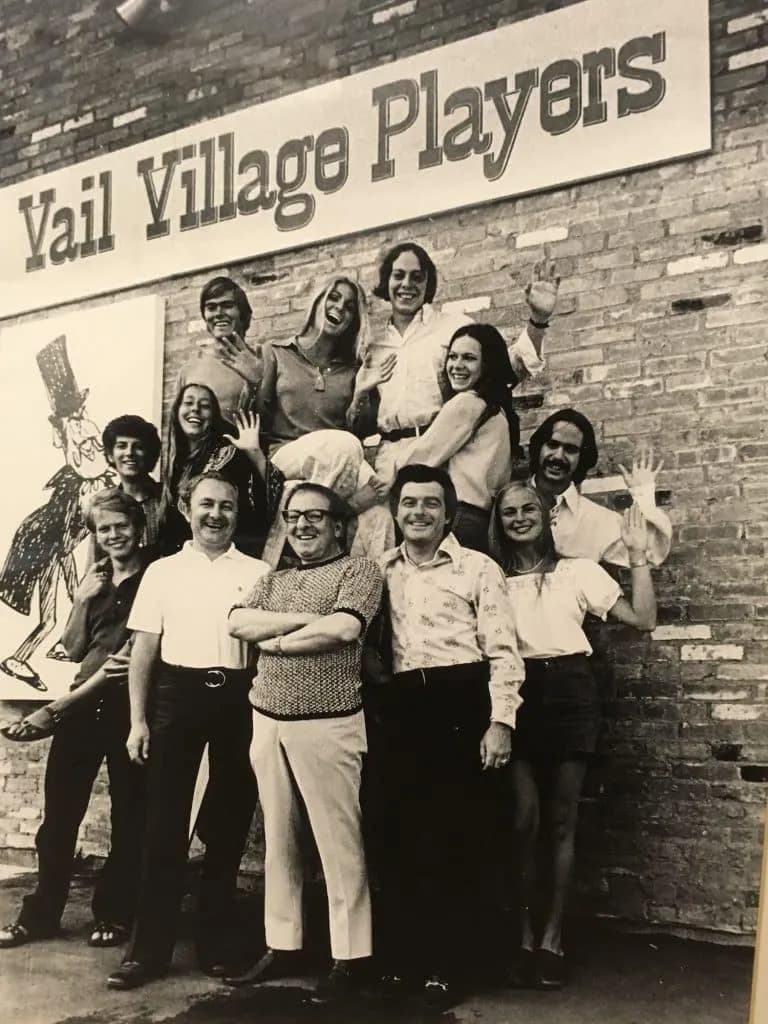
Aspen —The obvious take on Vail’s history is that it was built by visionaries who saw a ski resort where others saw only snow and steep slopes. But Joe Staufer’s story suggests something more mundane, yet perhaps more convincing: he didn’t see a vision. He saw a job offer and a rental car bill.
Staufer, who received the Vail Trailblazer award in 2020, wasn’t looking for a legacy. He was looking for work. According to the Vail Daily’s Tony Mauro, Staufer was running a beach club in Bermuda when a friend named Martin Mosshammer called from Vail, Colorado, in 1962. Mosshammer talked up the place so effectively that Staufer decided to take a look, leaving his position at the Santa Barbara Biltmore.
The journey itself was a test of faith. Staufer recalled the bitter cold in Chicago during immigration, where an officer noted he was “lucky” to be heading to Colorado. He drove to Denver, rented a car from Hertz, and headed west. The doubt set in quickly.
“Vail? There is no Vail,” Staufer said, according to the oral history. “There was Frisco. There was Minturn. Then there was Avon. There was no Vail.”
He crossed Vail Pass and found an old cabin, a gas station, a small motel, and the Lodge at Vail with 60 rooms. That was it. It wasn’t even on the map during its first season, 1962-63. But Staufer didn’t leave. He met founder Peter Seibert within a day, and Seibert did something simple that sealed the deal.
“Pete Seibert took me up on the mountain the next morning and showed me the mountain on his snowcat,” Staufer said.
The cold was brutal that January, he noted, but the potential was clear. His wife, Anne, asked how long they could keep the rental car. Staufer said as long as they wanted to pay for it. Anne pointed to U.S. Highway 6 and asked where the road went. Staufer didn’t know for sure, but he believed it led to California. Anne said, “Let’s go.”
To hear him tell it, the decision wasn’t about grand strategy. It was about immediate utility and a willingness to stay put if the math held up. Staufer had been factory work in Austria, then beach clubs in Bermuda and California. Vail offered a different kind of grind, one that required less travel and more presence.
The question is whether locals today recognize that this growth wasn’t inevitable. It was a series of small, practical decisions made by people who were willing to pay for a rental car and trust a snowcat ride. Staufer’s contributions, honored with the Trailblazer award, weren’t born from a master plan. They were born from showing up.
“We’re going to keep building,” Staufer seemed to suggest, not just for Vail, but for the model of community-driven growth. He didn’t wait for the map to catch up. He helped draw it.
Keep up with Aspen
The day's Western Slope news, one email each morning. Free.