Judy Romer Urges Eagle County to Fix Stagnant Visa Caps for Labor
Judy Romer argues that outdated visa caps and rigid seasonal programs are stifling Eagle County's economy, urging policymakers to align immigration laws with the region's year-round labor needs.

Aspen —Eagle County’s economy isn’t just growing; it’s gasping for air.
That’s the hard truth sitting beneath the polished veneer of the Vail Valley’s tourism boom. We like to talk about our world-class resorts and our rising property values, but we’re ignoring the structural crack in the foundation: we don’t have enough people to work the jobs that keep this place running.
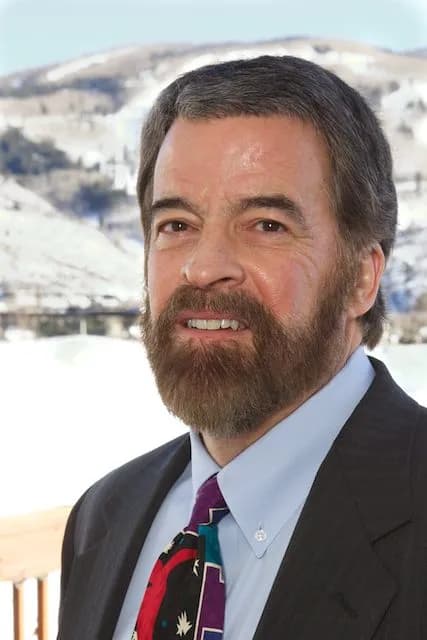
Judy Romer puts it plainly in a recent opinion piece for the Vail Daily. She’s not talking about a temporary dip in labor. She’s talking about a systemic failure that’s holding back the entire region.
"Our immigration system isn’t keeping pace with the communities it’s supposed to support, and our community is dependent upon immigrants," Romer writes.
It’s a provocative claim for a place that prides itself on stability. But look at the numbers. Romer points out that immigrants make up roughly 16% of Eagle County’s population and 18% of its workforce. That’s not a fringe demographic. That’s the backbone. They’re the nurses in the ER, the teachers in the classrooms, the small business owners on Main Street, and the construction crews framing the next round of housing.
The problem isn’t that we need more immigrants in a vacuum. The problem is that the current legal framework is stuck in the 1990s while our economy has moved on.
"Visa caps for high-skilled workers haven’t changed since the 1990s," Romer notes. "Seasonal worker programs don’t match the reality of year-round labor needs."
Think about that for a second. We have a hospitality industry that operates year-round, yet our visa structures are built for peak-season surges. We have a healthcare sector that needs long-term retention, but workers are stuck in limbo, unable to secure permanent status because the paperwork is a maze and the caps are arbitrary.
This isn’t abstract policy debate. It’s a daily reality for locals. Walk into any grocery store in Edwards or Vail. Notice how many faces are familiar. Walk onto a construction site near the airport. Notice the same crews showing up day after day. They’re contributing. They’re paying taxes. They’re buying homes. But the system makes it harder than it needs to be for them to stay, to plan, and to thrive.
Romer argues that the solution isn’t radical. It’s common sense. It’s raising visa caps to reflect actual workforce needs. It’s streamlining work permits. It’s creating flexible programs that acknowledge labor isn’t just a seasonal blip.
And it’s not just business leaders nodding along. The U.S. Chamber of Commerce has been clear: borders need to be secure, but the worker shortage is real and it’s holding back the economy. More than 430 business groups, including the Vail Valley Partnership, are backing a balanced approach. Strong borders, yes. But also sensible work verification and pathways to legal status.
Even the political map is shifting. Romer cites a recent Fox News poll showing that most American voters — both Republican and Democrat — agree on this balance. They want security, but they also want a system that works.
So why does it feel like we’re stuck?
Because we’re treating immigration as a political football rather than an economic necessity. We’re letting outdated caps dictate who can work here, ignoring the fact that our birth rates are lower and our residents are aging. The number of people in their prime working years is shrinking. If we don’t adapt, we don’t just lose growth. We lose wages. We lose the ability to get ahead.
Romer’s point is that this isn’t about ideology. It’s about survival.
"If Eagle County is going to thrive in the years ahead," she writes, "we must face a hard reality."
The question is whether we will. The businesses are waiting. The workers are ready. The system just needs to catch up.
Keep up with Aspen
The day's Western Slope news, one email each morning. Free.