Rural is Rad Collective Showcases Rural Colorado Gear at Outside Days
The Rural is Rad Collective dominates Denver's Outside Days, showcasing innovative gear from small-town makers in Steamboat, Buena Vista, and Crested Butte to a national audience.
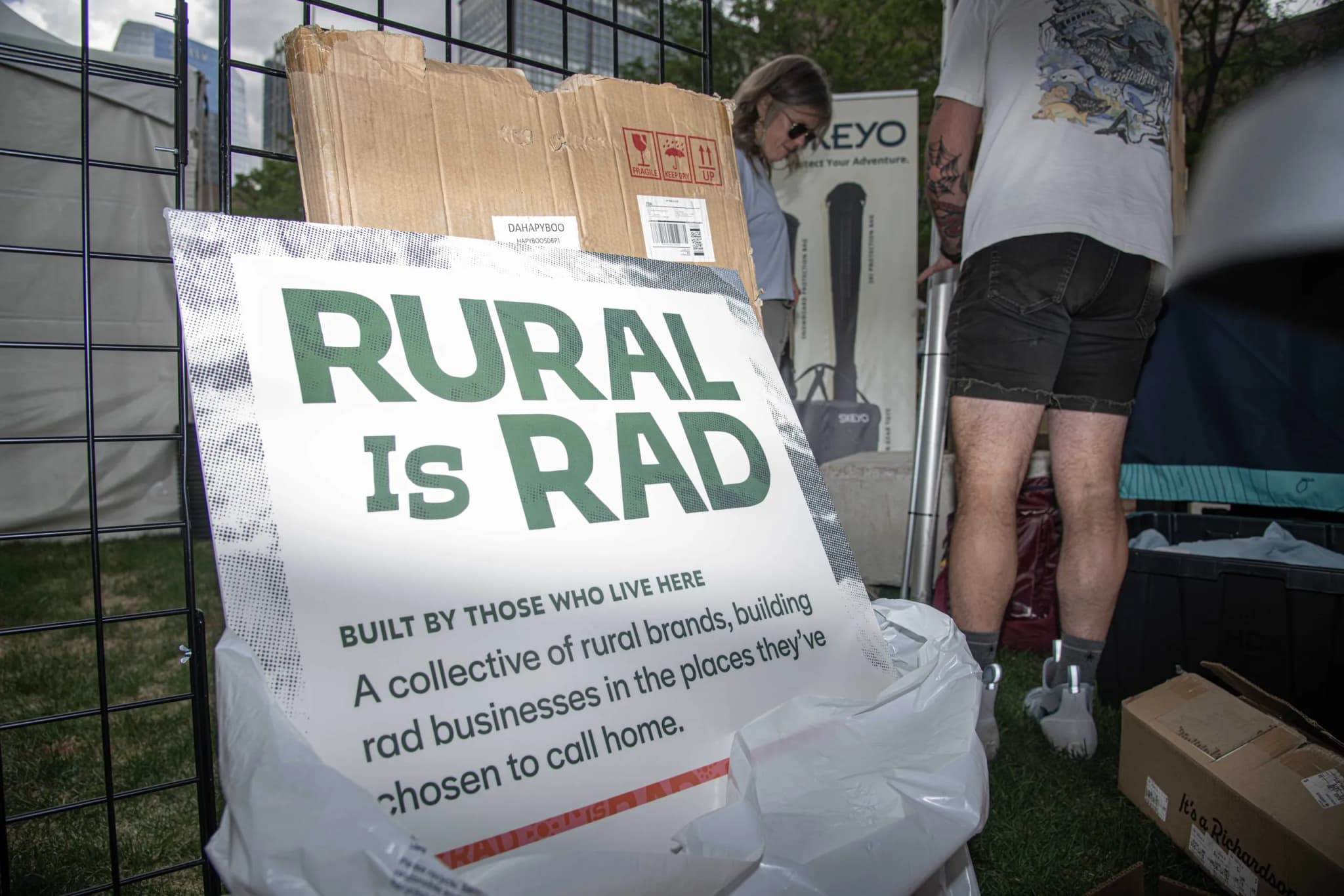
Colorado —Why is a cluster of small-town gear makers suddenly dominating the center of Denver’s biggest outdoor festival?
That’s the question hanging over the humid pavement of the Auraria Campus last month. Thousands of attendees wended their way to catch My Morning Jacket, but they had to push past racks of goggles, tents, and bike mounts to get there. The air was sticky. The crowd was dense. And right in the middle of it all was the Rural is Rad Village, a deliberate disruption in a sea of established corporate booths.
“It was pretty sticky,” Conor Hall, the boss at the Colorado outdoor recreation office, noted with a laugh, watching festival-goers amble slowly, stopping to inspect one-of-a-kind Colorado gear that most had never seen in public before.
This wasn’t just another trade show display. This was the debut of Rural is Rad, a collective now boasting more than 50 brands, all united by a single, stubborn mantra: “There has got to be a better way to do this.” The mission is simple on paper but radical in practice. It’s about taking the ingenuity found in rural Colorado — places like Steamboat, Crested Butte, and Buena Vista — and forcing it into the national spotlight.
Kelly Mazanti, the collective’s CEO and co-founder, sees a specific problem with rural business growth. Once you’ve sold your wares at the local farmers market a few times, you hit a ceiling. Locals have supported you as much as they can. How do you build a sustainable industry that allows people to actually live and work in those small towns?
“You can’t just rely on the five people who already know you,” Mazanti explains. “You need a platform that scales.”
During Outside Days, Mazanti herded 15 innovative tinkerers into their own designated zone. They weren’t just selling products; they were showcasing a philosophy. There was Bold, a new brand out of Steamboat Springs navigating the tricky middle ground between $30 and $350 eyewear. Sara Hogan had set up her portable kids’ tents and sleep systems for her Crested Butte-based WrovenDen brand. Across the grass, Buena Vista’s Sky View Tents displayed backpacking gear with super-fine mesh for stargazing and a rainfly you could pull from the inside.
These aren’t abstract concepts. They are physical objects made by people who live in the places they serve.
Industrial engineers Trevor and Ana Stark stood with their Stark Side Gear quick-release mounts for rooftop tents, designed right there in Buena Vista. Nearby, Grand Junction’s QuikrStuff showed off their bike racks. Each booth proved that local manufacturing still had a place in a globalized market, a direct counter to the trend of outsourcing production to low-cost overseas facilities.
The result was a surge of visibility for brands that usually operate in the shadows of the supply chain. For the attendees, it was a chance to buy directly from the makers. For the makers, it was proof that rural doesn’t mean irrelevant. It means specialized. It means durable. It means built for the specific, rugged reality of the Western Slope and beyond.
As the sun set over the Auraria Campus, the noise of the festival faded into the background. The booths were being struck down. The racks were being packed away. But the message remained: small towns have big ideas, and they’re finally getting the room to show them off.
Keep up with Colorado
The day's Western Slope news, one email each morning. Free.
NWRM CASA Honors Judge O’Hara and Founders at 15th Anniversary
Craig Hosts Only Regional Special Olympics Bowling Competition
Parachute Bike Clinic Seeks Permanent Home After 66 Free Repairs
Federal Report Sets 200,000 Acre-Foot Water Conservation Target for Upper Basin
Colorado Parks and Wildlife Deploys Precision Drones for Weed Control