Justice Department Kills $1.8 Billion Anti-Weaponization Fund
Justice Department official Blanche declares the $1.8 billion Anti-Weaponization Fund dead, ending plans to compensate Trump allies and halting payouts despite the underlying IRS lawsuit settlement remaining intact.
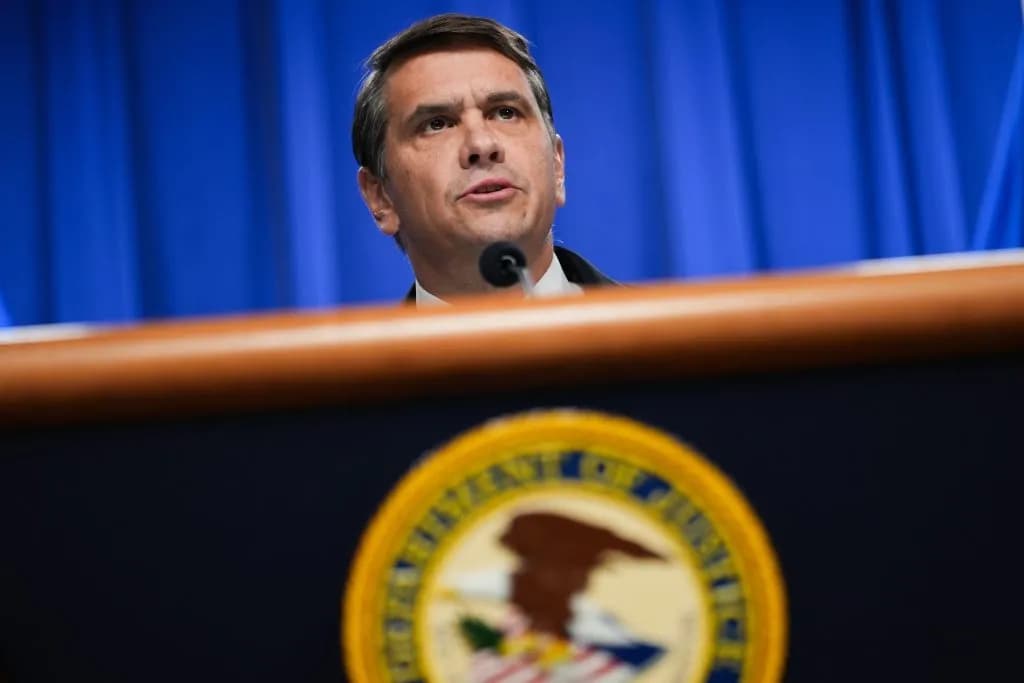
Aspen —The dust hasn’t settled on the House Appropriations subcommittee hearing when the pivot hits. Justice Department official Blanche stands at the podium, delivering a blunt declaration that cuts through weeks of political posturing. “We are not moving forward with the fund, period.”
That’s it. No caveats. No “potentially.” Just a hard stop on a $1.8 billion plan to compensate allies of President Donald Trump.
It’s a rare turnabout for a Trump Justice Department that, just two weeks ago, was pitching this same fund as essential reparations for “weaponized law enforcement” under the Biden administration. Now? It’s dead. The courts paused it. The political backlash stalled it. And now, the administration is retreating.
Rep. Grace Meng didn’t let up. She pressed for clarity. “Not moving forward, ever?”
“Correct,” Blanche answered.
The retreat wasn’t just about optics. It was about money and leverage. Republicans in the Senate needed reassurances that this fund was off the table before they’d move legislation to fund Trump’s immigration enforcement agencies. The timing was tight. The Senate was already navigating the passage of that immigration bill, which came with an added $1 billion in White House security costs. That included funding for Trump’s ballroom project.
When word of the settlement leaked, the reaction was immediate and furious. Senate Republicans jettisoned the White House security money from the bill. They made it clear: no major changes to the settlement, no legislation. They wouldn’t pass it at all.
The fund itself, officially called the “Anti-Weaponization Fund,” was rooted in a specific legal dispute. It was established to resolve Trump’s lawsuit against the Internal Revenue Service over the leak of his tax returns. As part of that deal, the IRS agreed to drop all pending probes of Trump over whether he’s paid his fair share of taxes.
Blanche confirmed that part of the deal remains intact. “Nothing has changed with that,” she said. The administration is only abandoning the creation of the $1.8 billion fund. The IRS tax probes are still on hold. The lawsuit is still settled. But the cash pile meant to pay out to allies? Gone.
Rep. Rosa DeLauro, a Democrat from Connecticut, didn’t mince words during the hearing. She called the administration’s actions “brazen acts of flagrant corruption.” She pointed directly at Blanche. “And you are at the center of many of them, Mr. Blanche.”
The hearing was supposed to be about the Justice Department’s budget. Lawmakers quickly pivoted. They ignored the broader fiscal picture and focused entirely on the fund. The political cost of moving forward had become too high. The courts had already ruled. The public was watching. And the Republicans in the Senate held the keys to the treasury.
The short version: The money isn’t coming. The allies aren’t getting paid. And the White House security costs? Still up for grabs.
What’s left is the question of oversight. Critics said the lack of oversight was troubling. They worried about payouts to participants in the violent Jan. 6, 2021 riot at the U.S. Capitol. Now that the fund is scrapped, those questions linger. Who gets paid? Who doesn’t? And how much of the original $1.776 billion was actually earmarked for specific individuals versus general administrative costs?
Blanche didn’t answer those. She just said the fund is dead. The rest is up to the courts and the next legislative fight.
Keep up with Aspen
The day's Western Slope news, one email each morning. Free.

Steamboat Recommends E-Motorcycle Education to Clarify Rules
BLM Clears 113 Roan Plateau Parcels for December 2026 Oil and Gas Lease Sale