Kim School District Superintendent Enforces Strict Phone Ban
Kim School District Superintendent Chris Locke implements a pragmatic phone policy under House Bill 1135, keeping devices locked away to combat social isolation among the district's 19 students.
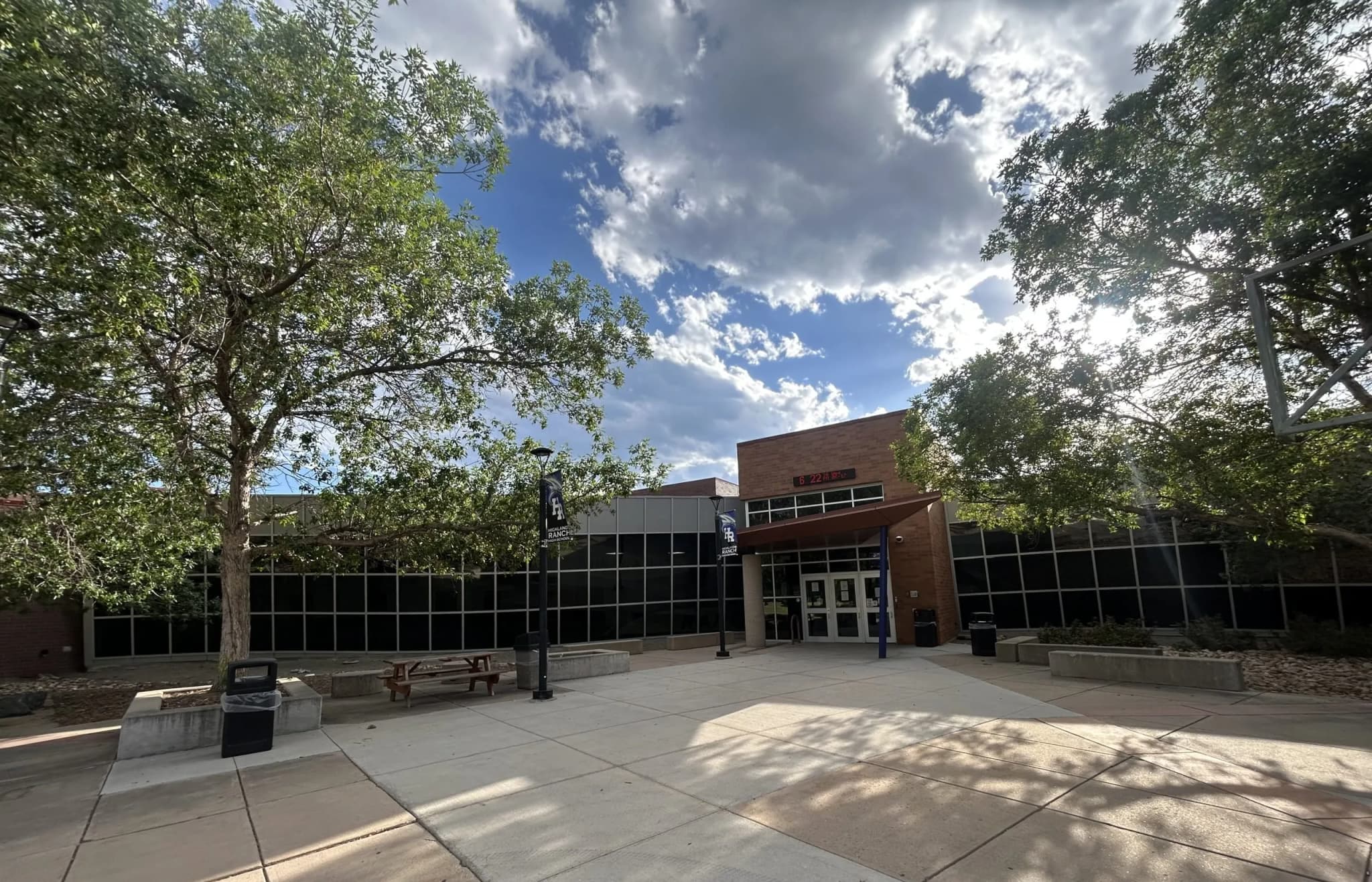
Colorado —Chris Locke, superintendent of Kim School District in southeastern Colorado, faces a unique logistical puzzle every morning. His district is the smallest in the state, serving just 19 students. Yet, about half of those kids arrive with their own devices.
The challenge isn’t just about confiscation; it’s about engagement. Locke’s new policy is strict but pragmatic: phones stay in lockers or backpacks from the moment students step into the building until the final bell rings. There are exceptions, of course. If a teacher needs a stopwatch or wants to scan a QR code for a quick review, the phone comes out. But otherwise, it stays put.
“Even adults, it can isolate people where they’re not paying attention to anyone else,” Locke said. He pointed to lunch periods as the critical failure point. Without the rule, students sit mere feet apart, siloed by glowing screens, ignoring the people right in front of them.
Locke’s approach is one response to House Bill 1135, the new state law requiring every Colorado school district and charter school to develop a policy on smart device access by July 1. The goal wasn’t to ban technology entirely, but to stop it from monopolizing attention. State lawmakers were alarmed by the way endless notifications and group texts were interfering with learning.
“It felt like a game of Whac-A-Mole trying to just constantly take cellphones,” said state Rep. Meghan Lukens, a Steamboat Springs Democrat who sponsored the bill. Lukens taught social studies for years before entering the House in 2023. She knows the struggle firsthand. “A day could go by and we could see 150 kids in a day and we may have taken their phone yesterday but they have it back today.”
The numbers backing the legislation are stark. Research highlighted by the Office of the Surgeon General shows that kids and teens spending more than three hours a day on social media have double the risk of struggling with mental health issues like depression and anxiety. Teens already pour an average of three-and-a-half hours daily into these platforms, with many citing harm to their body image.
Lukens argues that teachers, parents, and students simply don’t stand a chance against systems designed to be addictive. “To a certain extent, teachers, parents and students just don’t stand a chance when these systems are designed to be addictive,” she said.
But the law kept local control intact. It didn’t mandate a total ban. Instead, it forced districts to weigh options: Is an all-out ban necessary? Should restrictions be tailored to age groups? District leaders gathered input from students, parents, and teachers before finalizing their rules.
For Locke, the decision was about community. In a district of 19, everyone knows everyone. The social isolation caused by phones during lunch wasn’t just a distraction; it was a fracture in the social fabric of the school. By keeping devices tucked away, he’s trying to force interaction.
The question now is whether this model scales. Kim is small, manageable, and rural. How does a district like Denver Public Schools, with tens of thousands of students and varying levels of resources, implement the same logic? And more importantly, will parents enforce the rules at home, or will the “Whac-A-Mole” game just move to the dinner table?
Lukens believes the shift is inevitable. The technology isn’t going away, and neither are the distractions. The law just gives schools the leverage to draw a line.
“We want to make sure that when kids are in school, they’re actually learning and interacting with their peers,” Locke said. “It’s about being present.”
Keep up with Colorado
The day's Western Slope news, one email each morning. Free.




Federal Report Sets 200,000 Acre-Foot Water Conservation Target for Upper Basin
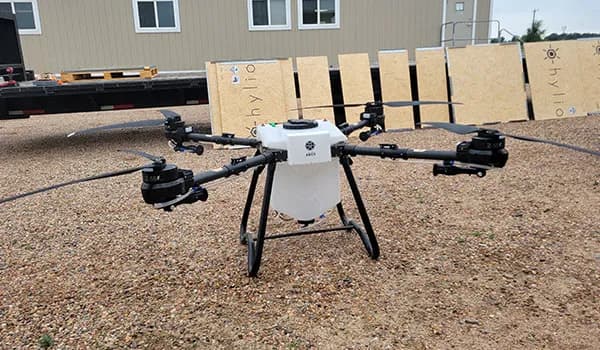
Colorado Parks and Wildlife Deploys Precision Drones for Weed Control