Roaring Fork School District Cuts Costs to Save $1.3 Million Amid Enrollment Drop
The Roaring Fork School District approved its 2026-27 budget with a $1.3 million surplus despite declining enrollment, driven by cost-cutting measures and a new El Jebel housing initiative.
Glenwood Springs —If you’re worried that your property taxes are about to jump to cover a new school building, take a breath. The Roaring Fork School District just approved its 2026-27 budget, and the numbers suggest they’re actually saving money, not spending more.
The district is projecting a favorable variance of almost $1.3 million. That’s real money left in the bank, not just a theoretical surplus. This comes despite a projected decline in enrollment. The funded pupil count is expected to drop by 146.3 students over the past three years. Fewer kids usually means less revenue, yet the budget holds steady. How? They’ve cut costs.
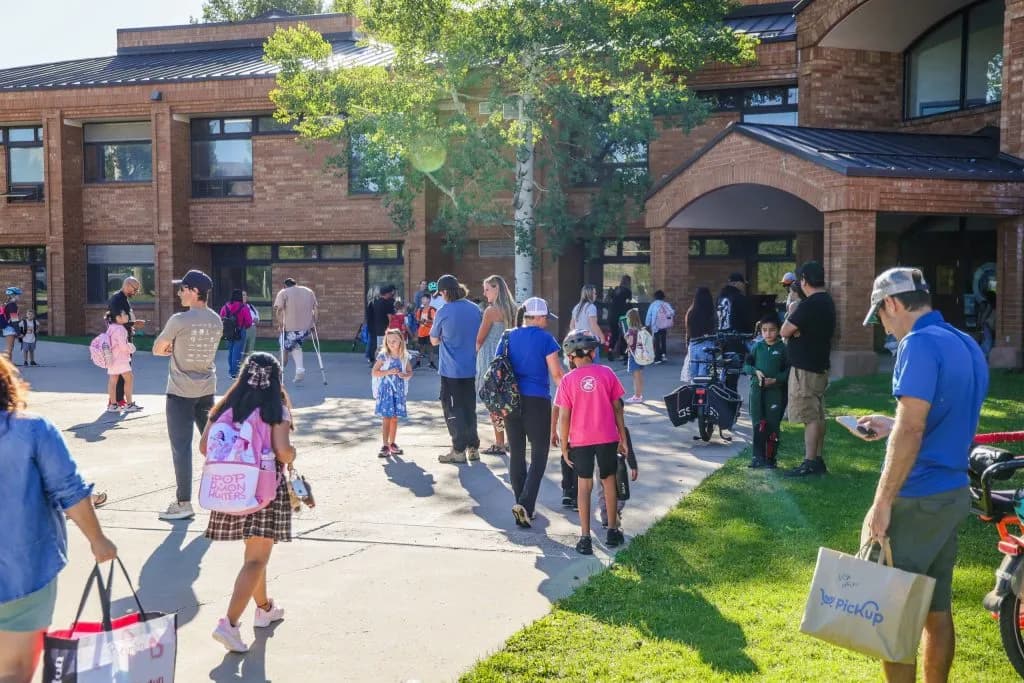
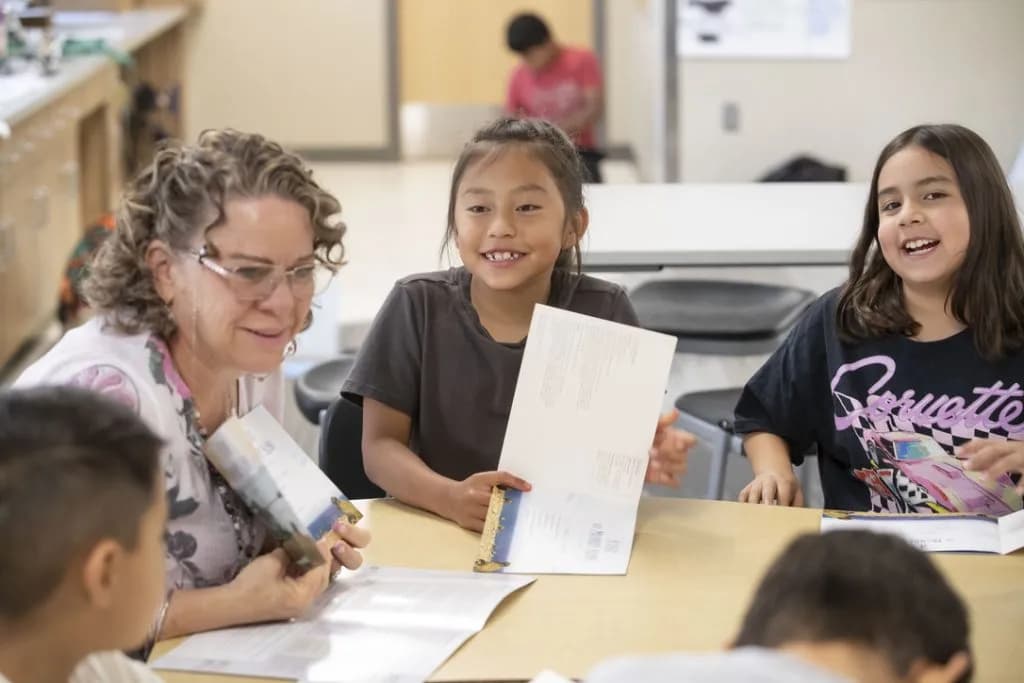
Chief Financial Officer Christy Chicoine told the board the district has implemented more than $19 million in budget solutions over the last three years. They overhauled the finance department. They streamlined operations. They reduced or restructured nonessential costs. The result is a leaner machine that somehow still funds 14 schools, 5,000 students, and nearly 1,000 staff members.
Let’s look at where the money comes from. 83.9% of the district’s funds, or $81.9 million, are raised through local sources. That’s the bulk of the burden falling on us, the locals. State funding covers 14.3%, or $14 million. Federal funding is a mere 1.9%, or $1.8 million. If you’re waiting for the feds to bail out your local schools, you’ll be waiting a long time.
The reserve fund is sitting at an estimated $14.79 million as of June 30, 2027. That’s $2.67 million above the minimum required by district policy. For context, that’s a healthy buffer against unexpected dips in enrollment or state funding cuts. It’s not infinite, but it’s not empty either.
Then there’s the housing piece. The board advanced a project in El Jebel to build about 60 staff housing units. This isn’t just about giving teachers a place to sleep. It’s about mitigating the housing roadblock that keeps good educators from staying in the valley. The district identified a parcel of land on JW Drive, on the north side of Colorado Highway 82, as a high-priority location. They signed a memorandum of understanding with Colorado Rural Homes to handle the development. It’s a practical move. If teachers can’t afford to live here, they commute from Glenwood Springs or Basalt, and that eats into their time and money.
Jonathan Delk was sworn in as the new board member for District B, replacing Lindsay DeFrates as board president. Kathryn Kuhlenberg and Jasmin Ramirez kept their roles as Vice President and Secretary/Treasurer. The transition was smooth. The budget discussion lasted just over two minutes. Kuhlenberg noted she was grateful for the opportunity to engage with the budget this spring. It wasn’t a fight. It was a review.
The 48-page budget document is available on the district’s website. It covers everything from the fleet of over 60 buses to the 100 acres of grounds. It’s transparent. You can see it.
So, what does this mean for you? Your taxes aren’t going up to fund a massive new construction boom. The district is tightening its belt and relying on local revenue to keep the lights on. The reserve fund is healthy. The enrollment is dipping slightly, but the budget is absorbing it. And the housing project in El Jebel is moving forward, which might stabilize the teaching workforce. That’s the real story here. It’s not about new buildings. It’s about keeping the current system running efficiently while trying to solve the one thing that keeps teachers leaving: not having a place to live.
Keep up with Glenwood Springs
The day's Western Slope news, one email each morning. Free.


Glenwood Clinic Parking Lots Fill for Unproven Peptide Injections
On the ridge above Glenwood Springs, the wind usually whips off the peaks before it reaches the parking lots