Michael Bennet Loans $1 Million to Colorado Gubernatorial Campaign Amid Bloomberg Spending
U.S. Sen. Michael Bennet injected a $1 million personal loan into his Colorado gubernatorial bid as Michael Bloomberg’s super PAC pours over $4.6 million into the race against Attorney General Phil Weiser.
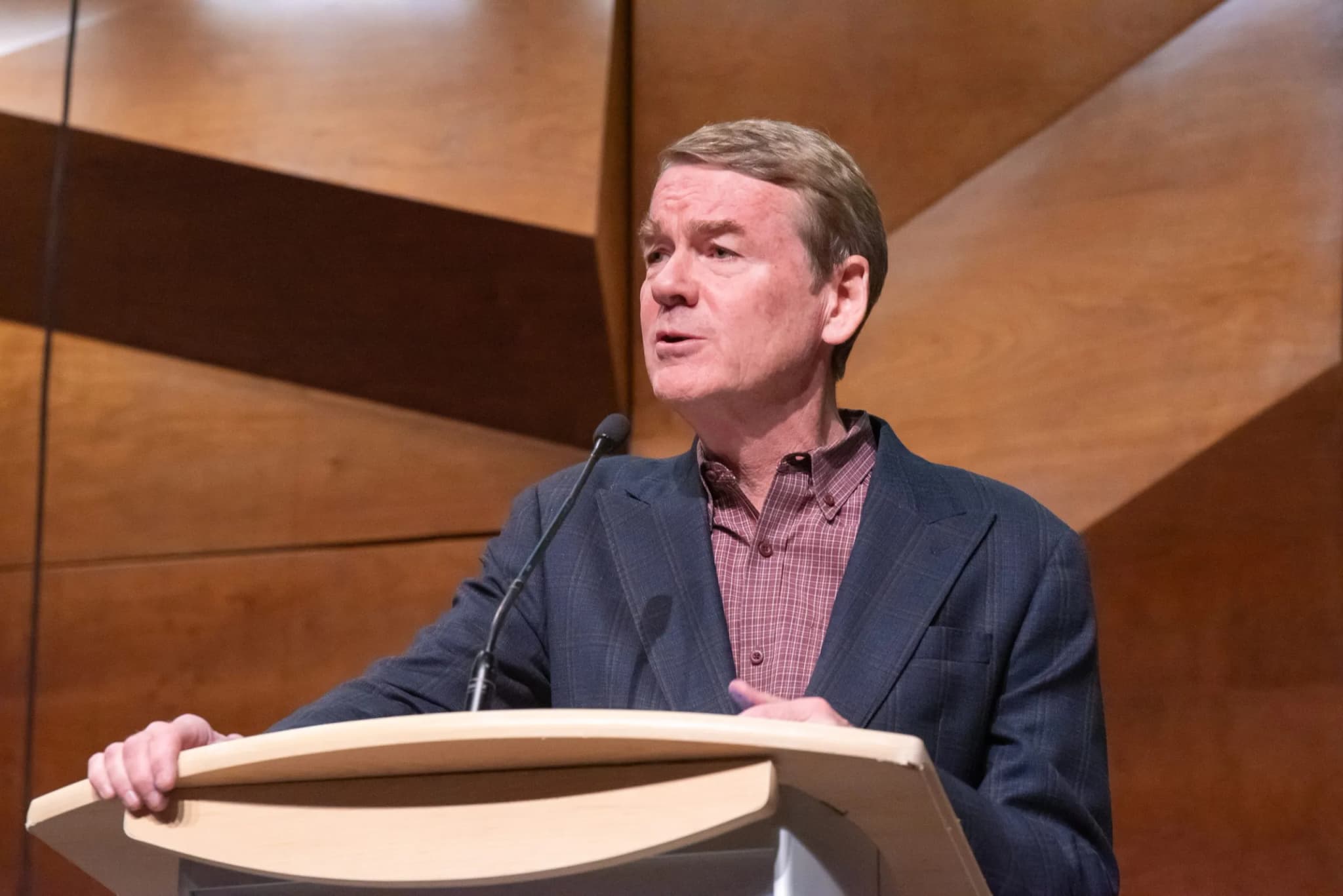
Colorado —A $1 million loan. That’s the amount U.S. Sen. Michael Bennet put his own pocket into to keep his gubernatorial campaign afloat in the final sprint to the June 30 primary. It’s not just Bennet, either. Former New York Mayor Michael Bloomberg is pouring money into the race at a pace that makes local property tax levies look like pocket change. Bloomberg’s super PAC, Rocky Mountain Way, has already shelled out more than $4.6 million, and that number is climbing.
Let’s do the math. Bennet loaned his campaign $950,000 on May 29. That cash hit the bank and immediately went toward ads. During the reporting period that ended June 10, his campaign spent nearly $850,000. It’s a tight squeeze, but it’s necessary. Campaign manager Nellie Moran says the loan was a direct response to Attorney General Phil Weiser’s own spending spree. Weiser’s team is buying TV and digital ads to attack Bennet. Bennet needs to buy them back.
The bigger picture is in the super PAC. Rocky Mountain Way raised $2.2 million just in that last reporting period. Of that, $2 million came from Bloomberg on May 28 alone. Bloomberg’s total contribution to the group has now surpassed $4.6 million. The group spent about $2.4 million on TV, radio, digital ads, and mailers during that same window. They still have nearly $3 million in the bank as of June 11. They aren’t saving it. They’re unloading it.
This isn’t a distant political theater exercise. This is a local election. The winner of the June 30 primary will almost certainly be the governor in November. Republicans have lost their grip on the state’s top office, so the real contest is between Bennet and Weiser. The money reflects how tight that race has become. If one side pulls ahead, the other side throws cash at the problem.
Bennet was asked why Bloomberg is spending so much. His answer? “I honestly don’t know.” He said you’d need to ask Bloomberg. He can’t speculate. It’s a safe answer for a senator who knows his backer is deep-pocketed and likely wants a specific outcome. It’s not exactly a ringing endorsement of strategic clarity, but it’s honest.
For context, consider what this money actually buys. In a state like Colorado, where the cost of living and doing business is rising, millions of dollars in ads can shift public perception quickly. But it also highlights the disparity. Weiser has his own war chest, but Bloomberg’s checkbook is massive. The super PAC has raised a total of $10.3 million to support Bennet. That’s a lot of leverage.
The loan from Bennet is a signal. It shows he’s betting on himself. If he repays it, he’s confident in his fundraising. If he doesn’t, it’s just another cost of doing business. Personal loans often never get repaid. It’s a common tactic in high-stakes races. It keeps the lights on when the big donors are still deciding whether to commit.
The bottom line is simple. Bennet and Bloomberg are throwing money at the primary to ensure Bennet wins the nomination. The more money they spend, the more likely they are to control the narrative. The question isn’t whether the money will be spent. It’s whether it will be enough to beat Weiser. The $4.6 million from Bloomberg suggests they’re playing to win. The $1 million loan from Bennet suggests he’s willing to put his own money where his mouth is. It’s a high-stakes game. The voters in Colorado will decide the winner. The money just helps them remember who’s running.
Keep up with Colorado
The day's Western Slope news, one email each morning. Free.




Federal Report Sets 200,000 Acre-Foot Water Conservation Target for Upper Basin
Colorado Parks and Wildlife Deploys Precision Drones for Weed Control