Garfield Re-2 School Board Approves Insurance Renewals as Deductibles Double
Garfield Re-2 School Board approves insurance renewals, raising property deductibles from $25,000 to $50,000 and increasing premiums due to a tightening insurance market and higher workers' compensation costs.
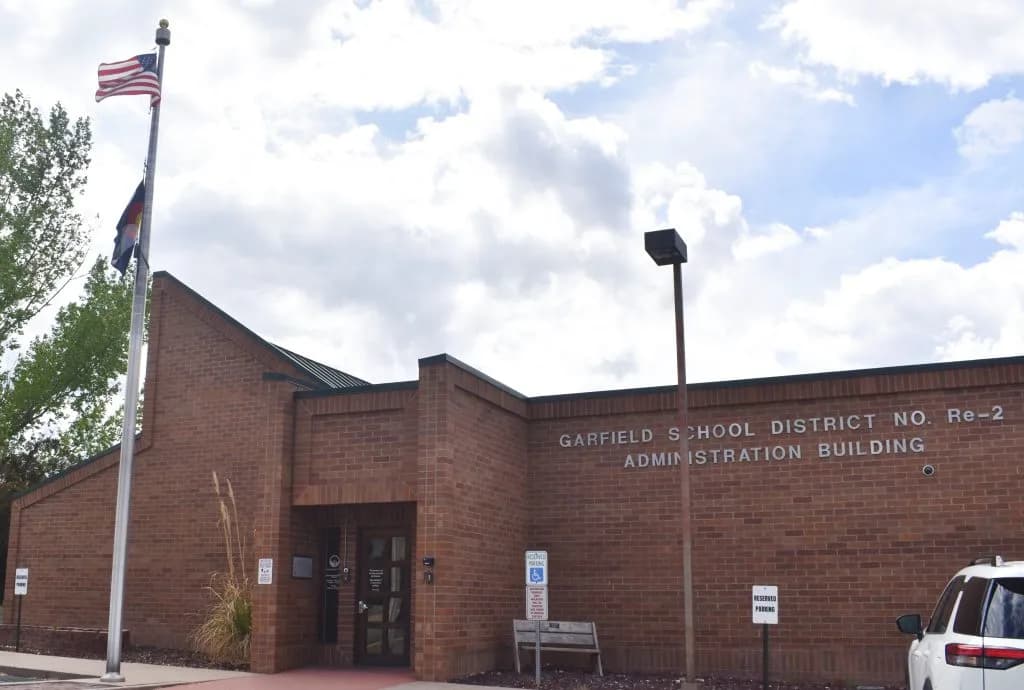
Glenwood Springs —The property deductibles just doubled.
That’s the headline from Wednesday’s Garfield Re-2 School Board meeting. The board approved insurance renewals that raise the floor for claims on roofs at Rifle High School, Rifle Middle School, Coal Ridge, and Highland Elementary. They’re now valued at actual cash value. The property deductible itself jumped from $25,000 to $50,000.
It’s a smaller hit to the wallet for a single incident, but it means the district pays more out of pocket before the insurance company kicks in.
Nettie Avery, insurance advisor for Glenwood Insurance, laid out the changes. She didn’t sugarcoat the market conditions. Many insurers declined to quote the district entirely because of the volume of claims. The market is tightening. Avery noted that crime deductibles are rising from $1,000 to $2,500. Auto liability now carries a $10,000 deductible for damage caused to a third party.
The bottom line? The primary policy premium will climb from $537,000 to $570,000. If the district adds law enforcement liability coverage, that total hits approximately $573,000.
That’s a $36,000 increase on the base policy alone.
But the real pain point isn’t the primary policy. It’s workers’ compensation. Payroll has swelled from $42 million to $43 million. The premium has surged from $323,000 to roughly $360,000. The claim deductible remains at $2,500, but the quotes are higher because claims are happening more often. Avery said the market simply doesn’t want to take the risk anymore.
There’s also a new line item: firearm liability. The board is adding an exclusion, except in cases involving negligent law-enforcement acts. Avery explained the logic. If a school resource officer injures the wrong person instead of the correct one, the district is covered. But if the district has a tight contract with the city of Rifle, they might be able to rely on the city’s policy instead. It’s a nuance worth watching.
Board President Fathom Jensen is looking for redundancy. He wants to consolidate. He’s curious about the contracts with the police department. He wants to know what their insurance covers regarding officers on school property. He suspects they have an active shooter clause. If so, buying a separate policy might be throwing money away.
Superintendent Kirk Banghart recommended accepting the renewals. He pushed for the firearm liability coverage.
The district is also trimming costs elsewhere. Cyber liability dropped from $34,000 to $30,000. That’s a win. But it’s a small win in a sea of increases.
Buses over 10 years old are losing their full value. They’re now valued at actual cash value. It’s a shift that reflects the aging fleet and the broader economic reality of replacement costs.
The short version: The district is paying more for less flexibility. Deductibles are higher. Premiums are up. The market is less willing to take risks. And the board is left trying to figure out if they’re paying for coverage twice — once through the district and once through the city’s police department.
Jensen’s question about the police contracts is the one that matters. If the city’s policy covers the officers adequately, the district’s new firearm liability exclusion might be redundant. If not, they’re paying for a safety net that doesn’t quite catch everything.
The numbers don’t lie. The cost of doing business in Garfield County just went up. And it’s not just the premiums. It’s the deductibles. It’s the risk. It’s the fact that many insurers walked away from the table entirely.
The board approved the renewals. The premiums will go up. The deductibles will bite harder. And the question remains: are we paying for what we need, or just what’s left?
Keep up with Glenwood Springs
The day's Western Slope news, one email each morning. Free.


Glenwood Clinic Parking Lots Fill for Unproven Peptide Injections
On the ridge above Glenwood Springs, the wind usually whips off the peaks before it reaches the parking lots