Rep. Meghan Lukens Delivers $180M Education Boost to Western Slope Districts
Rep. Meghan Lukens highlights the 2026 Legislative Session's $180.79 million education investment, delivering a $449 per-pupil increase that prioritizes Western Slope rural districts and stabilizes classroom budgets.
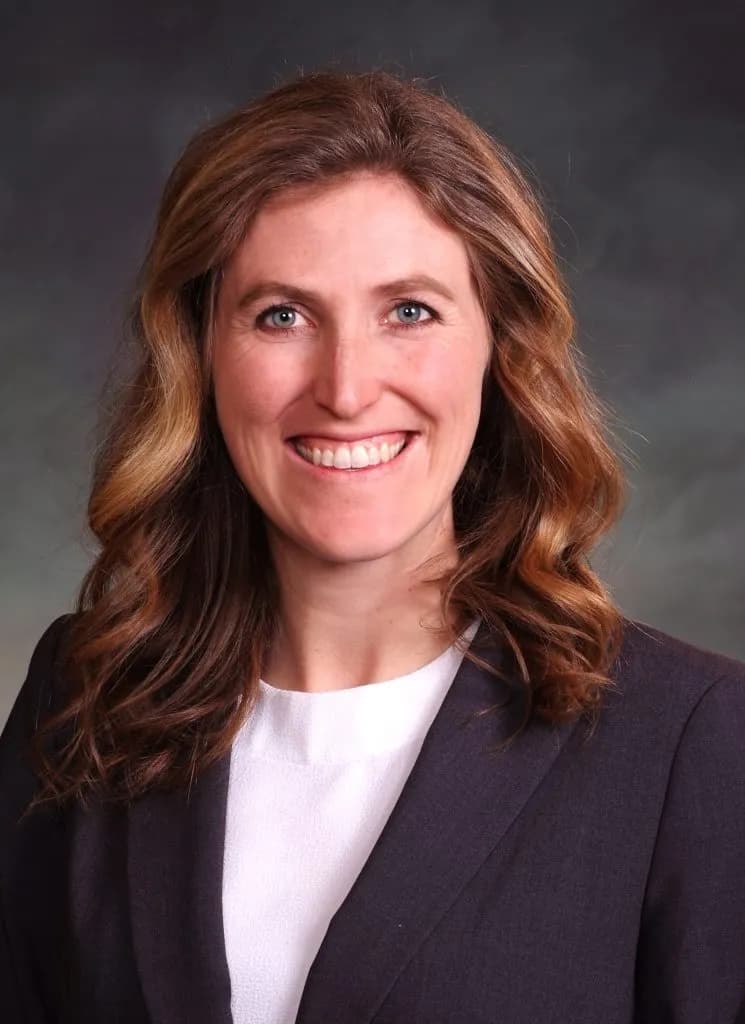
Steamboat Springs —A $180.79 million injection. That’s the headline number from the 2026 Legislative Session, and it’s the kind of figure that sounds like a windfall until you realize it’s being split among every public school district in the state. For neighbors on the Western Slope, the real story isn’t just the total pot of gold; it’s the $449 per-pupil increase that comes with it.
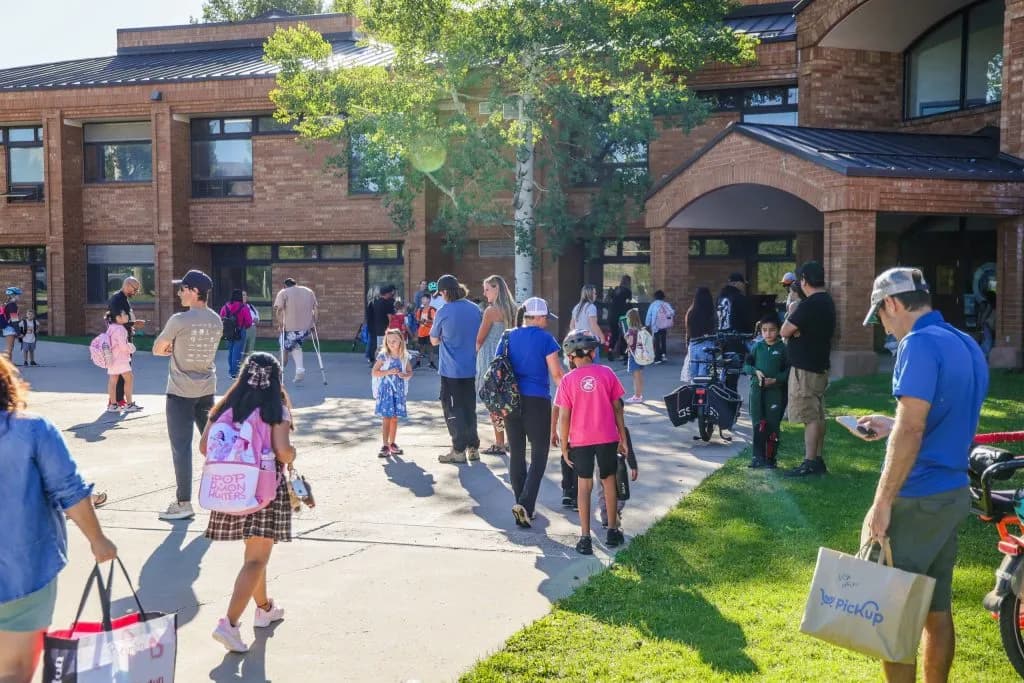
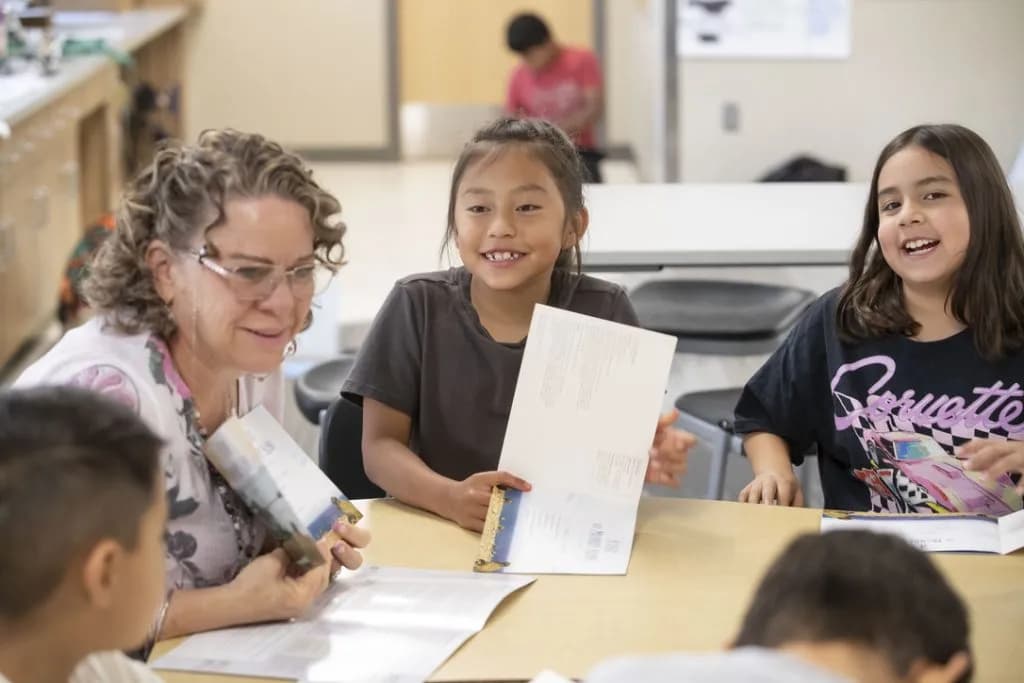
Rep. Meghan Lukens is calling this a successful session. She’s got the numbers to back it up, and for once, the math actually works in favor of the taxpayer. The School Finance Act didn’t just shuffle papers; it drove that extra cash directly to the classrooms. The per-pupil funding floor has jumped to $12,325. On paper, that’s a significant leap from the $8,100 we were stuck at back in the 2020-2021 academic year. In practice, it means a little more breathing room for districts that have been stretched thin by declining enrollment but rising costs.
Lukens, now Chair of the House Education Committee, didn’t just hand out money. She kept the student-centered formula intact. This is crucial for rural communities like ours, which often get squeezed by flat funding models that don’t account for the unique overhead of spreading resources over larger geographic areas. The result? Rural districts are benefiting the most. It’s a direct reversal of the old trend where urban centers ate up the growth while the rest of the state stagnated.
But let’s not pretend the education system is fixed. Lukens admits Colorado still has one of the most underfunded education systems in the nation. That’s why she’s pushing SB26-135. It’s a referred measure that puts the question of funding growth directly in voters' hands. Do we let public school funding grow alongside the economy, or do we keep it capped by TABOR? If approved, that money goes straight to teacher pay, retention, and smaller class sizes. It’s a simple question, but the answer determines whether we’re just patching the roof or rebuilding the foundation.
Beyond the classroom, Lukens is touting progress on the outdoor recreation economy, which drives $65.8 billion into Colorado. The Colorado Outdoor Opportunities Act formalizes Colorado Parks and Wildlife as the lead agency for the state’s Outdoor Strategy. It’s a bureaucratic shift, sure, but it means one agency is now accountable for the health of the public lands that folks around here rely on for everything from timber to tourism.
The session wrapped up after 120 days. Lukens sponsored 29 bills. She claims bipartisan solutions were delivered. Whether you agree with the political spin depends on how you view the trade-offs, but the fiscal impact is tangible. The budget was tight. The challenges were real. Yet, the funding for schools went up, and the administrative structure for our natural resources got a clear mandate.
For locals, the immediate takeaway is the property tax and budget implication. With more state aid flowing in, districts have less pressure to levy local taxes to cover basic operations. It’s not a free pass for inefficiency, but it is a buffer. And that buffer matters when the winter snowpack is low and the tourism season is unpredictable. We’re not just talking about test scores. We’re talking about whether the school bus can run on time and whether the teacher stays in the classroom for more than two years.
The data is clear: funding is up. The political will is there. Now comes the hard part — making sure that $449 per student actually translates into better outcomes, not just bigger administrative budgets.
Keep up with Steamboat Springs
The day's Western Slope news, one email each morning. Free.

Will my tax refund be gone if I vote yes
"Coloradans could start seeing ballots for this November’s midterm election hit their mailboxes as early as this weekend