Lake Powell Water Levels Hit 24% Capacity Amid Drought
The US Bureau of Reclamation takes drastic measures as Lake Powell's water levels drop to 24% capacity, affecting the Colorado River basin and 40 million people.
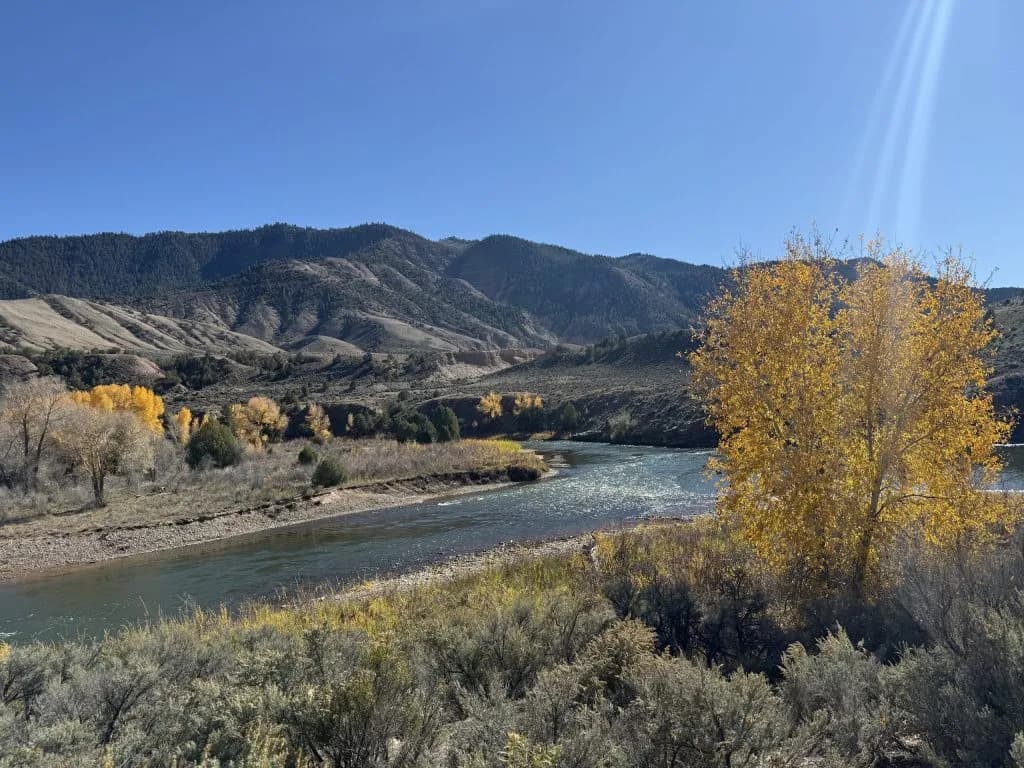
Aspen —Standing on the shores of Lake Powell, the stark reality of the drought is evident - a mere 24% of the lake's capacity remains, a stark contrast to the thriving water sports and recreation that once dominated this area. The sound of lapping water against the shore is now a rare occurrence, replaced by the eerie silence of a drying lake bed. As the sun beats down, the dry earth cracks beneath your feet, a reminder of the dire situation unfolding in the Colorado River basin.
The U.S. Bureau of Reclamation is taking drastic measures to mitigate the effects of this historic drought, which has seen snowpack levels plummet to 23% of normal in the Upper Basin. For context, this region relies heavily on snowpack for its water supply, and the current levels are the lowest on record. The Bureau's assistant secretary of water and science, Andrea Travnice, emphasized the need for swift action, stating that it is "imperative that we take action quickly to protect a resource that supplies water to 40 million people and supports vital agricultural, hydropower production, tribal, wildlife and recreational uses across the region."
Let's do the math - the Bureau is anticipating that inflow to Lake Powell will be a mere 29% of the historical average, which could lead to water levels falling below the minimum power pool level of 3,490 feet by August. This would have severe consequences, including reduced hydroelectric power generation and impacts on regional power and water supplies. To put this into perspective, the minimum power pool level is roughly 15% of the lake's capacity, highlighting the critical nature of the situation. The Bureau plans to reduce releases from Lake Powell to Lake Mead by 1.48 million acre-feet through September. This move will undoubtedly accelerate the decline of Lake Mead, with potential reductions of up to 40% to Hoover Dam's hydropower generating capacity. On paper, this may seem like a drastic measure, but in practice, it's a necessary step to prevent the complete depletion of Lake Powell. The Bureau is also planning to increase withdrawals from Flaming Gorge Reservoir, an Upper Basin reservoir located in Utah and Wyoming, which is currently 83% full. The federal agency intends to release between 660,000 acre-feet and 1 million acre-feet by April 2027, drawing the reservoir down to 59% capacity.
To put this into local context, one acre-foot is equivalent to around 326,000 gallons of water, or enough to fill half of an Olympic-size swimming pool. For folks around here, this means that the water levels in our local reservoirs will continue to fluctuate, impacting everything from irrigation to recreation.
As the situation continues to unfold, the long-term implications of these measures will become clear. The community will need to adapt to new water management strategies, and locals will need to be prepared for potential changes to their water supply. This will cost taxpayers, and the financial burden will be significant - the Bureau's plans will require substantial investment, which will likely be passed on to consumers in the form of increased water rates or taxes. The future of water management in this region is uncertain, and understanding the challenges ahead is vital for finding solutions. The practical bottom line is that the drought in the basin will have far-reaching consequences, from reduced water supplies to increased costs for locals.
Keep up with Aspen
The day's Western Slope news, one email each morning. Free.