Lift-Up Distributes 38,000 Pounds of Potatoes Across Western Slope
Lift-Up coordinates with over 20 organizations to distribute 38,000 pounds of donated potatoes from Sharing Excess, addressing food insecurity and logistical challenges across the Western Slope.
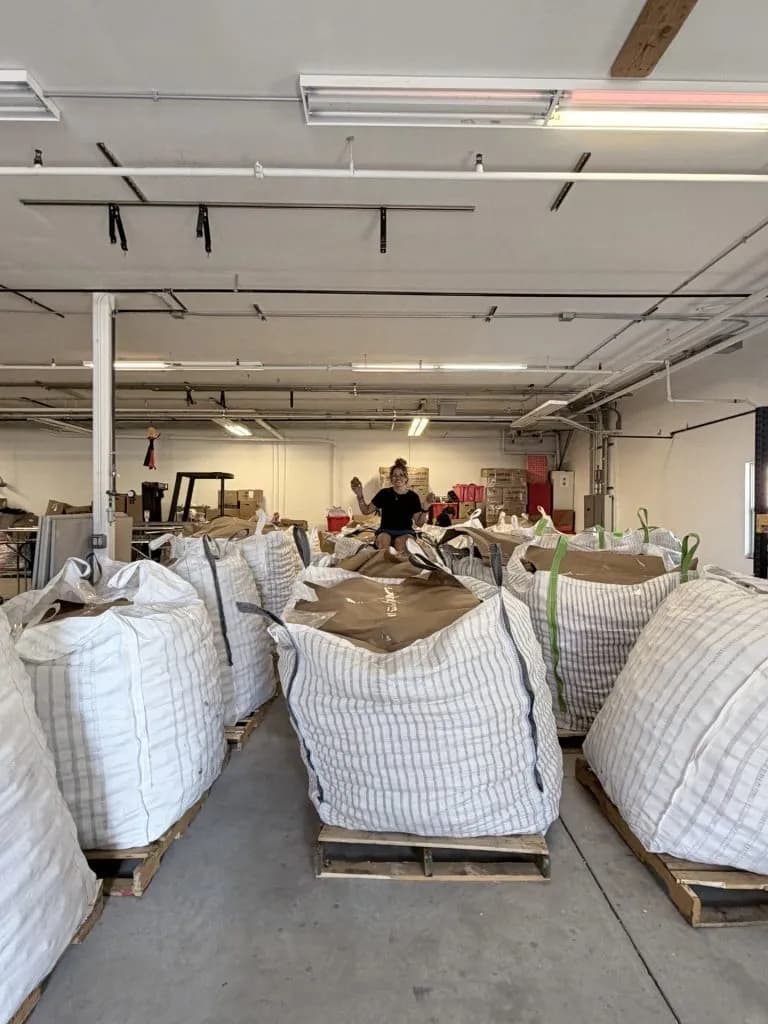
Aspen —The air inside the Lift-Up warehouse still carries the faint, earthy scent of dirt and starch, a heavy, grounding smell that speaks of fields far away and hands that dug deep into the soil. It is a sensory reminder that food insecurity on the Western Slope isn’t just about empty shelves; it’s about the logistics of getting fresh, nutrient-dense calories into the hands of neighbors who need them most. And right now, those neighbors are sitting on top of a mountain of potatoes.
Thirty-eight thousand pounds of them.
That is not a small harvest. That is not a few crates from a local farmer’s market. That is twenty-one pallets of fresh potatoes, delivered by the national nonprofit Sharing Excess, sitting in the valley ready to be distributed. It amounts to roughly one-twentieth of all the food Lift-Up distributed in 2025, according to Executive Director Samantha Freese. To put that in perspective, if you ate a pound of potatoes every day for a year, you’d still be missing half of what this single donation represents.
The obvious take is that this is a win for food rescue. Sharing Excess had surplus; Lift-Up has the network to move it. But look closer, and you see a story about infrastructure, geography, and the sheer logistical muscle required to keep fresh produce from spoiling while it travels from Idaho to Aspen.
Freese noted that the initial plan had been for Lift-Up to drive to Idaho to transport the potatoes back to the valley. But that didn’t make sense. The distance, the cost, the time — it wasn’t feasible. So the deal flipped. Sharing Excess offered to deliver the potatoes to Lift-Up, provided Lift-Up could handle the distribution to other organizations before they went bad.
“I said, ‘Absolutely. This is too good of a deal. We will make it happen,'” Freese said.
And they did. But they didn’t do it alone. This wasn’t Lift-Up acting in a silo, hoarding the spuds for its own pantries. It was a coordinated effort involving over 20 organizations and partners, stretching from Eagle to Mesa. Harvest for Hunger, Mountain Valley Development Services, Jesus Saves, and the Eagle Valley Community Foundation all pitched in to help move the weight.
Why does this matter to you, the neighbor who might be stretching a grocery budget or wondering where the next meal is coming from? Because fresh produce remains among the most requested items at Lift-Up’s food pantries. A donation of this size doesn’t just fill bellies; it brings nutritious food into homes that might otherwise rely on processed, shelf-stable staples. It helps families stretch their budgets while getting the vitamins and fiber that come with real potatoes.
There’s a warmth to the way Freese describes the process. She talks about making connections that wouldn’t necessarily be made otherwise. “We’re all so focused on what we do, but when we work together, we can help so many more people,” she said. It’s easy to get caught up in the competition for grants or the isolation of individual nonprofits, but this potato donation forced a collision of missions. Organizations that usually operate in parallel found themselves working in tandem, sharing resources, and building relationships that will outlast the last of the potatoes.
Founded in 1982, Lift-Up has been addressing food insecurity from Parachute to Aspen for decades. But this 38,000-pound donation highlights a shift in how they’re approaching the problem. It’s not just about collecting and distributing; it’s about leveraging partnerships to scale impact. Freese sees it as an opportunity to partner with other organizations doing food insecurity work, as well as nonprofits or government entities helping the community in other ways.
The potatoes are moving. They’re being picked up, packed, and delivered. But the real story isn’t just the weight of the tubers; it’s the weight of the collaboration. It’s the realization that when one organization has too much of anything, it can be utilized by another, creating a web of support that catches more people than any single entity could alone.
Outside, the light is fading over the Roaring Fork Valley, casting long shadows across the parking lot where trucks are idling, engines humming, ready to carry the next load of sustenance to the next family. The smell of earth lingers, a quiet testament to the work that’s being done, one potato at a time.
Keep up with Aspen
The day's Western Slope news, one email each morning. Free.