Longmont Repair Café Empowers Residents to Fix Own Belongings
The Longmont Repair Café is part of a global movement promoting sustainability and self-sufficiency by teaching residents to repair their own belongings, amidst a debate over Senate Bill 90
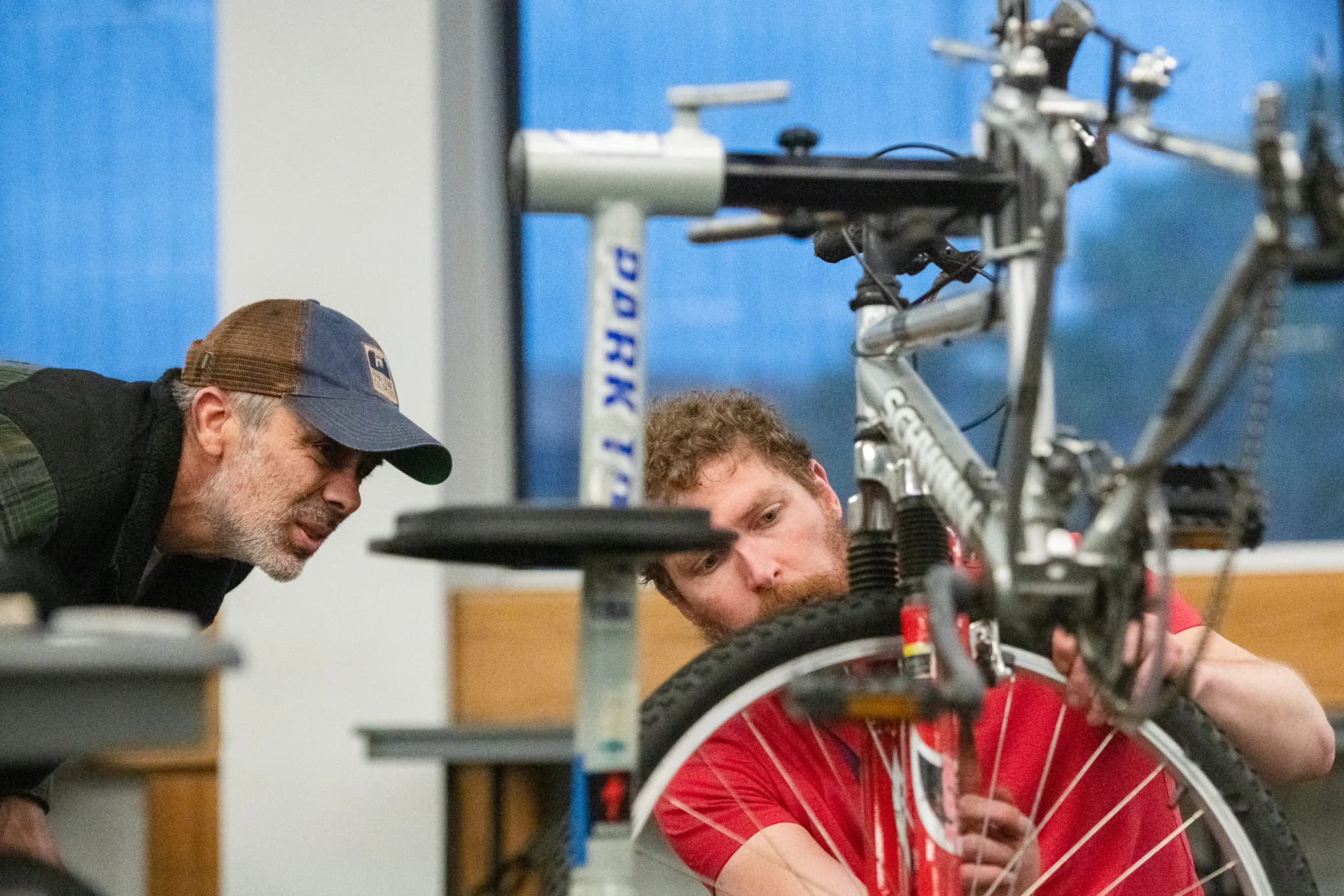
Colorado —It's a common assumption that the fight for the right to repair is solely about environmentalism and waste reduction, but for many Coloradans, it's also about empowerment and self-sufficiency. Across the state, people are seeking out opportunities to learn how to fix their own belongings, from broken appliances to malfunctioning gadgets. So, where can they go to acquire these skills?
In Longmont, the monthly Repair Café has become a hub for individuals looking to repair and restore their possessions. The event, which takes place in a warehouse, attracts people from all over, each carrying their broken items and a willingness to learn. CE Raum, founder of the Longmont Repair Café, notes that the biggest hurdle for many people is not a lack of technical knowledge, but rather a lack of confidence. "Most people can fix things. What they lack is the confidence to pick up a screwdriver and start taking it apart, because they worry they can’t put it back together," Raum said. "It’s not going to be more broken than it already is if you try to fix it."
The Longmont Repair Café is just one of about a dozen similar events that take place across Colorado, all of which are part of a broader global right-to-repair movement. This movement seeks to challenge the traditional culture of consumption, where products are designed to be disposable and repair is often discouraged by manufacturers. By providing a space for people to learn and practice repair skills, these events aim to promote a more sustainable and self-sufficient approach to consumption.
Colorado has been at the forefront of the right-to-repair movement, with lawmakers passing a series of bills in recent years that have expanded consumers' rights to repair their own products. In 2022, the state passed a bill allowing consumers to bring powered wheelchairs to independent repair shops, rather than relying on the manufacturer. This was followed by bills in 2023 and 2024 that extended these rights to agricultural equipment and digital devices, respectively.
However, the progress made in this area is now under threat. Senate Bill 90, which is currently moving through the Capitol, would create exemptions for technology equipment used in critical infrastructure from the state's right-to-repair laws. Proponents of the bill, including companies like Cisco and IBM, argue that these exemptions are necessary to protect against cybersecurity threats and intellectual property infringement. But opponents, including consumer protection groups like CoPIRG and the Repair Association, argue that the bill's language is too broad and could be used to undermine the state's right-to-repair laws.
As the debate over Senate Bill 90 continues, it's clear that the right-to-repair movement is about more than just environmentalism or consumer protection – it's also about promoting a culture of self-sufficiency and empowerment. By providing opportunities for people to learn and practice repair skills, events like the one in Longmont are helping to build a more sustainable and resilient community. As Raum puts it, the goal is not just to fix broken products, but to help people develop the confidence and skills to take control of their own consumption. The outcome of this debate will have significant implications for the future of the right-to-repair movement in Colorado.
In the town of Longmont, folks around here are taking notice of the Repair Café, and the impact it has on the community. Neighbors are coming together to fix their belongings, and in the process, they're building a stronger, more self-sufficient community. As the movement grows, it will be interesting to see how it affects the local economy, and the way people consume and dispose of products. For people in the valley, the right-to-repair movement is not just about fixing stuff – it's about taking control of their own lives, and building a more sustainable future. As CE Raum said, "It's not going to be more broken than it already is if you try to fix it." This mindset is resonating with locals, and it will be exciting to see how the movement continues to evolve in the years to come.
Keep up with Colorado
The day's Western Slope news, one email each morning. Free.

Federal Report Sets 200,000 Acre-Foot Water Conservation Target for Upper Basin

Colorado Parks and Wildlife Deploys Precision Drones for Weed Control