Loveland Ski Area Tests Snow Guns Ahead of 60th Anniversary
Loveland Ski Area tested its snowmaking guns during a warm late-summer period, marking the 60th anniversary of artificial snow production in Colorado.
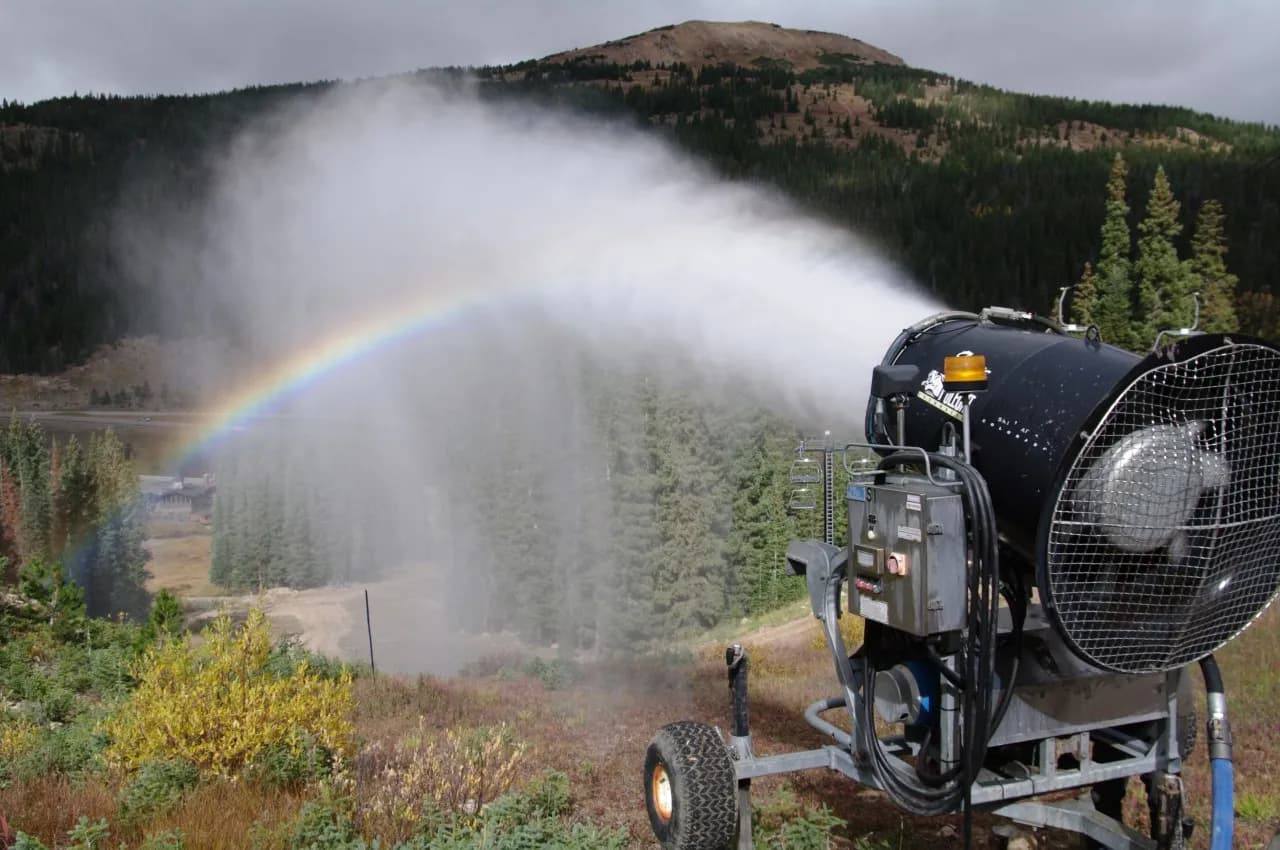
The air in the Loveland Pass corridor is crisp, but not cold enough. Below the tree line, a low hum vibrates through the pines as water jets blast into the sky from metal nozzles. The mist hangs in the air, evaporating before it hits the ground. It’s a test run. A dry rehearsal for the real thing.
Loveland Ski Area is testing its snowmaking guns ahead of the upcoming season. The work isn't about making a thick layer of powder right now; it's about plumbing. Trail Maintenance and Snowmaking Manager Bobby Babeon and his crew are running water through the system to ensure every gun functions when temperatures finally drop.
According to KDVR, which reported on the announcement, the current temperatures are too warm for snow to stick. The mountain is still holding onto late-summer heat. But the start of October is historically when conditions align for snowmaking to become effective.
This year carries a specific weight. It marks the 60th anniversary of snowmaking technology at Colorado ski areas. Loveland holds the distinction of being the first major ski area to implement the practice. In 1966, crews used diesel compressors left over from the construction of the Eisenhower Tunnel to perform small-scale snowmaking. Six decades later, the operation has scaled up, but the core task remains the same: forcing winter to arrive on schedule.
The ski area’s press release noted that generations of snowmakers have worked through cold nights, early mornings, and high winds to prepare slopes. "At Loveland, the start of snowmaking marks the true beginning of winter," the release stated. "Once conditions cooperate, the snowmaking team works around the clock to prepare the mountain for opening day."
The goal is a top-to-bottom blanket canvas from tree-to-tree, approximately 18 inches of packed snow. This initial layer provides a base for natural snowfall to accumulate on once it starts falling. Crews typically continue this process into mid-December, expanding coverage and supplementing natural snow as needed.
Weather patterns complicate the timeline. Colorado has faced a historically hot and dry year. However, forecasts suggest precipitation may arrive via El Niño patterns earlier than usual. If that happens, the snowmaking effort might shift from creating a base to reinforcing natural accumulation sooner than planned.
Loveland Ski Area is targeting an opening date between mid-October and early November, provided weather conditions allow. For locals in Larimer County who have waited through a long, dry summer, the hum of those snowguns is a signal. It’s not just maintenance. It’s the season officially loading its guns.
The 60-year history of artificial snow at Loveland shows the power of engineering, but the current atmospheric conditions are a test of patience. The mountain isn't ready for skis yet, but the infrastructure is being proven. When the mercury finally dips below freezing, those 18 inches of packed snow will be the foundation for everything that follows. Until then, it’s just water and wind.
Keep up with the Western Slope
The day's Western Slope news, one email each morning. Free.