Colorado's 576,000 Inactive Voters Face Strict Registration Deadline
Colorado’s 576,000 inactive registered voters must update their status by October 26 to receive a mail ballot, or they will be forced to vote in person.
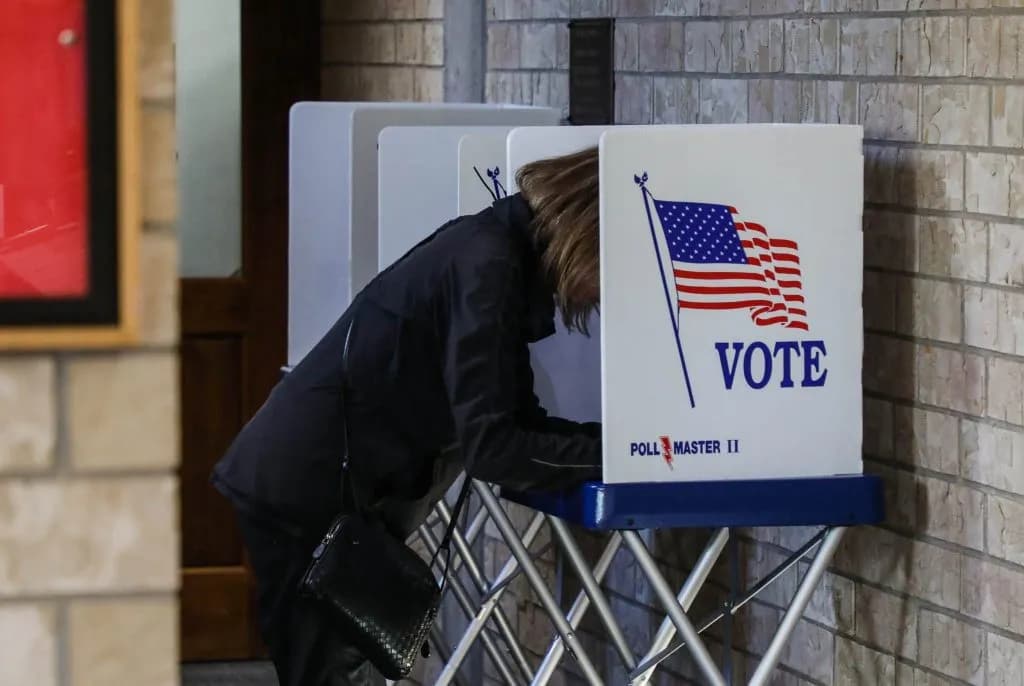
Glenwood Springs —The obvious narrative for the November 3 midterm election is one of civic duty: get your ballot, mark your choices, return it by the deadline. But there is a more counterintuitive reality hiding in plain sight. For a significant slice of the electorate, the most critical decision isn’t who to vote for — it’s whether they are even registered in the first place.
The mechanics of this year’s election are strict. County clerks begin mailing ballots to registered voters on Friday, Oct. 2, continuing through the following Friday, Oct. 9. That timeline sets a hard boundary for anyone hoping to vote by mail. To receive a ballot in the mailbox, Coloradans must be registered by Oct. 26. After that date, registration is still possible, but the method changes. Those who register late must vote at an in-person voting center. There is no third option.
This creates a distinct pressure point for folks around here. The Secretary of State’s office notes that Colorado had over 576,000 inactive registered voters as of Sept. 1. These are individuals whose ballots were undeliverable in a prior election. For many on the Western Slope, where addresses change frequently due to seasonal work or rural relocation, this is a common trap. You might think you’re registered because you voted in 2022, but if your address has shifted, your status may have slipped into that inactive pool.
The stakes are high because the ballot itself is dense. This year’s measure count ties a record for the most questions put to Colorado voters in the last 52 years, matching the volume seen in 2024, 2008, and 2006. Voters will weigh in on 14 statewide ballot measures alongside local questions. On the candidate side, the slate includes contests for governor, secretary of state, and attorney general. For those in northwest Colorado, specific state house seats in House Districts 13, 26, and 57 are up for grabs, along with state Senate District 8. Western Slope residents will also decide the outcome for one of Colorado’s two U.S. Senate seats and congressional seats for the 2nd and 3rd districts.
Navigating this requires a bit of self-audit. The state recommends using GoVoteColorado.gov to check registration status and update mailing addresses. It’s a quick digital task that prevents the logistical headache of showing up to a voting center on Election Day only to realize your registration lapsed. For those who do receive a ballot, the Secretary of State suggests returning it via mail by Oct. 26. Starting Oct. 27, the recommendation shifts to physical delivery at a drop box or vote center, with a final deadline of 7 p.m. on Election Day.
Tracking your ballot is another layer of security. Through BallotTrax, voters can sign up to receive notifications from the moment the ballot is mailed until it is counted. This transparency helps mitigate the anxiety of wondering if your vote actually arrived. If you encounter issues, contacting your county clerk’s office provides a list of available drop boxes and in-person voting centers.
The election itself takes place on Tuesday, Nov. 3, with polls open for in-person voting from 7 a.m. to 7 p.m. It’s a standard window, but the pre-election period is where the real work happens. The question is whether voters will treat registration as a separate, urgent task or assume it’s a background process that handles itself. Given the volume of measures and the complexity of the races, the margin for error is slim.
To hear them tell it, the system is designed to be user-friendly, but it relies heavily on the individual keeping their own records current. The tools exist — online portals, tracking systems, clear deadlines, but they don’t replace the need for personal attention. As the ballots start hitting mailboxes this weekend, the initial wave of voters will be those who were already organized. The later registrants will face a more constrained choice of voting methods.
The community’s engagement will likely reflect this bifurcation. Early voters, who have had time to review the lengthy ballot, may show higher participation rates in the initial weeks. Those waiting until the last minute, forced into in-person voting, may face longer lines and less flexibility in scheduling. The contrast between these two groups highlights the importance of early action.
Looking at the broader context, the record number of ballot measures adds to the cognitive load for voters. Understanding the implications of each measure requires research, which takes time. Combining that with the administrative task of ensuring proper registration creates a multi-step process. Each step has its own deadline and consequence. Missing the registration deadline doesn’t disqualify you from voting, but it limits your options. Missing the ballot return deadline does disqualify you.
For locals, the practical advice is straightforward. Check your status now. Update your address if it has changed. Register if you haven’t. Once you receive your ballot, track it via BallotTrax. Return it by mail before Oct. 26 or in person after that date. These steps are simple individually, but their collective impact determines whether your voice is heard on Nov. 3.
The counterintuitive claim, then, is that the most important election for many voters is the one they hold against their own apathy. The ballot is the prize, but registration is the entry fee. Paying that fee early ensures you have the freedom to choose how you cast your vote. Waiting ensures the system chooses for you.
As the first batches of ballots go out this weekend, the race is on. Not just for the candidates seeking office, but for the voters seeking to secure their place in the process. The math holds up if you act early. That depends on who you ask, but the deadlines don’t negotiate.
With polls open from 7 a.m. to 7 p.m. on Election Day, the final hours will be busy. But the groundwork is laid in October. The story of this election is being written in the mailboxes of Coloradans, one envelope at a time. Inside is not just a form, but a responsibility. And a choice.
The person behind every business story is often the one making the logistical decisions. In this case, it’s the voter managing their own civic infrastructure. The outlook is clear: preparation wins.
“Get registered, check your address, and track your ballot,” the advice goes. Simple. Direct. Effective.
The last word belongs to the voter. What will you do?
Keep up with Glenwood Springs
The day's Western Slope news, one email each morning. Free.