Lower Basin States Offer 3.2 Million Acre-Foot Water Cut to Stabilize Colorado River
California, Arizona, and Nevada propose a voluntary 3.2 million acre-feet water cut to stabilize the Colorado River through 2028, though Upper Basin states remain skeptical of the plan's long-term efficacy.
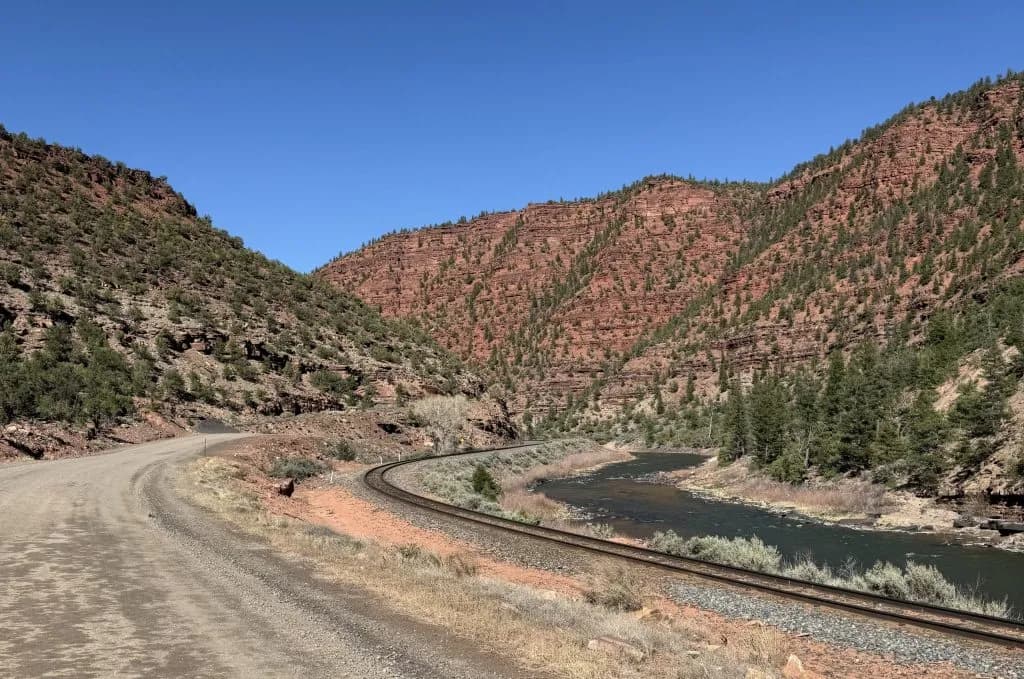
Glenwood Springs —California, Arizona, and Nevada have offered the federal government a short-term plan to address dangerously low conditions on the Colorado River. The proposal, sent in a May 1 letter to Andrea Travnice, the U.S. Bureau of Reclamation’s assistant secretary of water and science, aims to stabilize the system while longer-term negotiations remain stalled.
The three Lower Basin states call the proposal “ambitious and far-reaching.” It offers 3.2 million acre-feet of voluntary water use cuts across the region through 2028. That is not a theoretical figure. That is actual water. The plan hinges on several additional elements. It addresses Lake Powell releases. It covers upper initial unit operations. It includes additional conservation measures. It utilizes intentionally created surplus. It funds system infrastructure improvements.
John Entsminger, general manager of the Southern Nevada Water Authority, backs the move. He says the proposal pairs real, measurable water contributions with sensible dry-condition operations at Lake Powell and across the upper initial units. His message to locals and water users is clear: double down on conservation. The hydrology is historically dry. The time for action is now.
But the Upper Basin isn’t buying the whole package. Chuck Cullom, executive director of the Upper Colorado River Commission, wrote that the Lower Basin proposal is a necessary step. It is not, however, a complete solution. Cullom raised concerns about long-term efficacy. He noted that the Upper Division States — Colorado, Wyoming, Utah, and New Mexico — have long supported flexibility in Lake Mead operations. But that flexibility requires a long-term sustainable framework. It needs operational certainty. It cannot destabilize litigation.
Cullom warned that the proposed flexibilities might accelerate the decline in Lake Mead. That decline would cause adverse impacts upstream. The Upper Basin is watching closely. They are watching to see if the region’s cuts actually hold water or just shift the burden.
The current operational guidelines for Lake Powell and Lake Mead were set in 2007. They expire this year. The future guidelines will dictate how the Bureau of Reclamation operates the reservoirs during low conditions. They will determine how annual allocations are allocated, reduced, or increased for consumptive use in the Lower Basin. They will manage surplus water storage and delivery. They will handle conservation efforts.
Negotiations have dragged on for years. Colorado’s upper and lower basin states have failed to reach a consensus on long-term operations. The Lower Basin refers to their new proposal as a “near-term bridge through 2028.” It is a stopgap. It is a temporary fix while the real work happens.
The stakes are local. The water doesn’t care about political boundaries. It flows from the Rockies to the sea. When Lake Powell drops, the power generation drops. When Lake Mead shrinks, the cities that depend on it feel the pinch. Farmers in the Imperial Valley rely on that water. Las Vegas relies on it. Phoenix relies on it.
The 3.2 million acre-feet cut is voluntary. That means it’s not a mandate. It’s a promise. If the states stick to it, the river might stabilize. If they don’t, the consequences will be severe. The Upper Basin’s concern about accelerating Lake Mead’s decline is valid. If the Lower Basin cuts too much too soon, or if the cuts aren’t sustained, the reservoir could drop faster than expected. That hurts everyone upstream.
The short version: The Lower Basin is offering a bridge. The Upper Basin is skeptical of the bridge’s structural integrity. The guidelines expire this year. The clock is ticking. The water is getting lower.
Make no mistake. This isn’t just about water. It’s about power. It’s about agriculture. It’s about survival. The 3.2 million acre-feet is a start. It’s not the end. The real test will come when the drought deepens. When the cuts are needed most. When the voluntary promises become mandatory realities.
The Lower Basin states are betting on cooperation. The Upper Basin is betting on caution. Both sides are right. Both sides are wrong. The river doesn’t care about their bets. It just keeps flowing. And it keeps dropping.
Keep up with Glenwood Springs
The day's Western Slope news, one email each morning. Free.
Twin Lakes Releases 2,500 Acre-Feet to Save Upper Arkansas River

Glenwood Springs Resident Calls for Active Citizenship Amid AI Data Center Water Threats