Mild Winter and Wet Spring Drive Tick Boom on Colorado's Western Slope
A mild winter and wet spring from 2023 create a massive tick population boom on Colorado's Western Slope, increasing the risk of Rocky Mountain spotted fever and Colorado tick fever for hikers and residents.
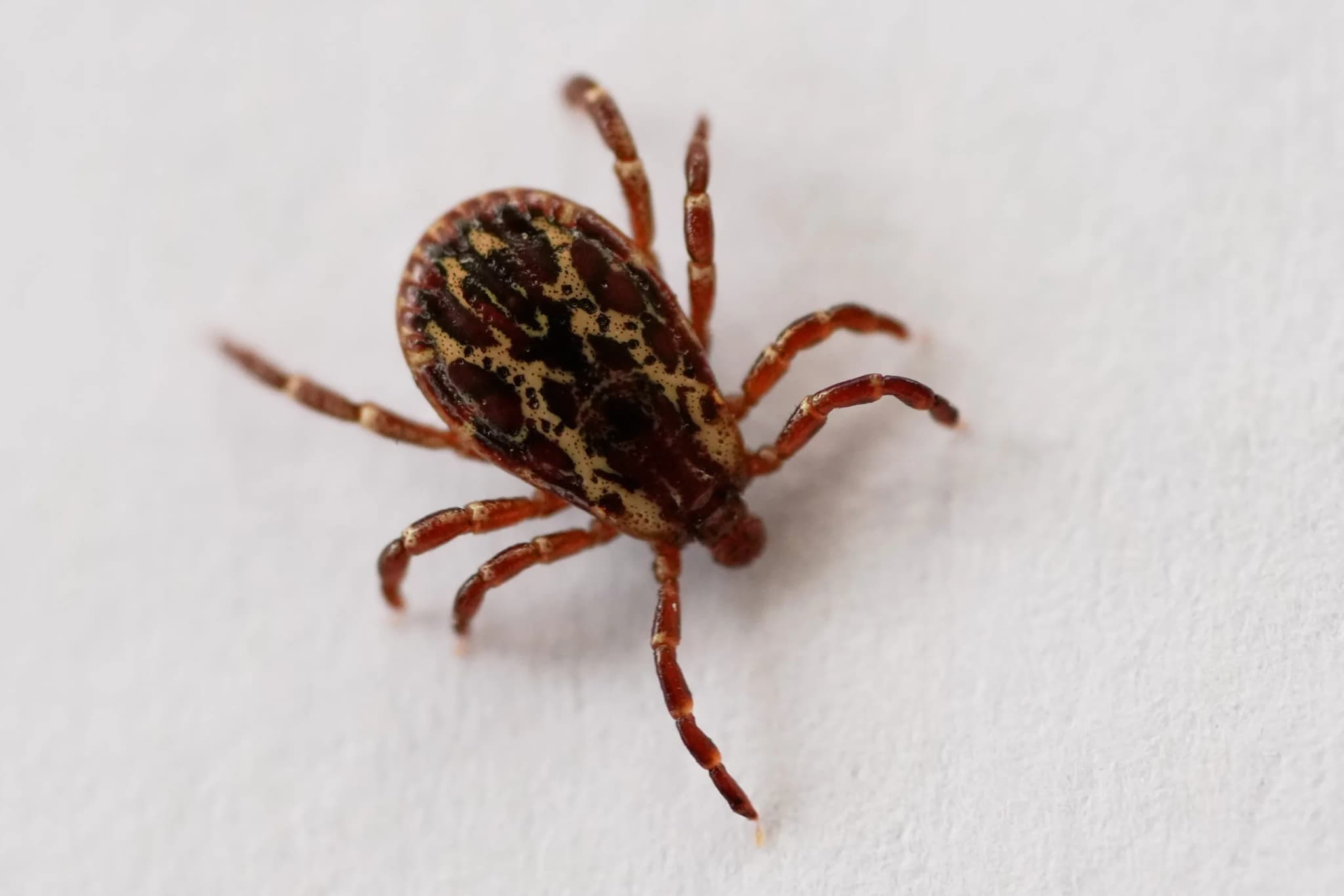
Colorado —The grass is already waist-high in the foothills above Glenwood Springs, and if you step off the trail, you aren’t just getting your pants dirty. You’re inviting a hitchhiker that’s been waiting for you since last winter.
Here’s the thing though: the reason your neighbor’s yard feels like a minefield this June isn’t just bad luck. It’s a perfect storm of a winter that refused to freeze and a spring that wouldn’t stop raining.
2026 is shaping up to be a massive year for ticks in Colorado, and for folks living on the Western Slope, that means a higher probability of biting down on Rocky Mountain spotted fever or Colorado tick fever. The common wisdom is that Lyme disease is the big bad wolf of tick-borne illness, but here’s the counterintuitive twist: Colorado ticks don’t carry it. If you’re worried about Lyme, you need to pack a bag and head east. If you’re staying put, you’re dealing with local bugs and local fevers.
Chris Roundy, a medical entomologist with the Colorado Department of Public Health and Environment, puts it simply. Mild temperatures this winter kept the bugs alive, and the warm spring weather gave them a head start on hunting for hosts. But that’s only half the story.
Remember 2023? That unusually wet spring wasn’t just a nuisance for commuters; it was a breeding ground. The moisture allowed grasses to grow tall, creating ideal habitat for ticks. The ticks responded to all that available housing by laying a bunch of eggs, which led to a population boom we’re still dealing with. Ticks live for multiple years, Roundy said. The party started in 2023, and the guests are still arriving.
Picture this: you’re hiking near Basalt. The air is crisp. You brush past a clump of fescue. Attached to your sock is a Rocky Mountain wood tick. It’s one of the two primary species in the state, divided by geography like warring gangs. The American dog tick hangs out along the Front Range and the plains to the east. The Rocky Mountain wood tick dominates the mountains and the west.
This distinction matters because different ticks transmit different diseases. The American dog tick carries Colorado tick fever. The Rocky Mountain wood tick carries Rocky Mountain spotted fever. Both are rare, fortunately, but neither is fun. And let’s not forget the brown dog tick, which is less common but still around, plus other interlopers who don’t live here but love to travel to Colorado in the summer if given the chance.
“Ticks are really good hitchhikers,” Roundy said.
So, what does this mean for your Tuesday morning commute or your weekend hike? It means checking your ankles. It means knowing that the wet spring of 2023 created a surplus of eggs, and the mild winter of 2025-2026 ensured those eggs survived. The result is a larger, hungrier tick population that’s been active longer than usual.
You don’t need to panic. You just need to be aware. The grass is tall. The weather was warm. And the ticks are ready.
Keep up with Colorado
The day's Western Slope news, one email each morning. Free.




Federal Report Sets 200,000 Acre-Foot Water Conservation Target for Upper Basin
Colorado Parks and Wildlife Deploys Precision Drones for Weed Control