Minturn Rug Boutique Proves Small Town Can Handle International Trade
A Minturn rug boutique operating since 1992 demonstrates that small towns can sustain specialized retail niches by controlling supply chains. The shop validates local purchasing power and proves the town handles international trade logistics.
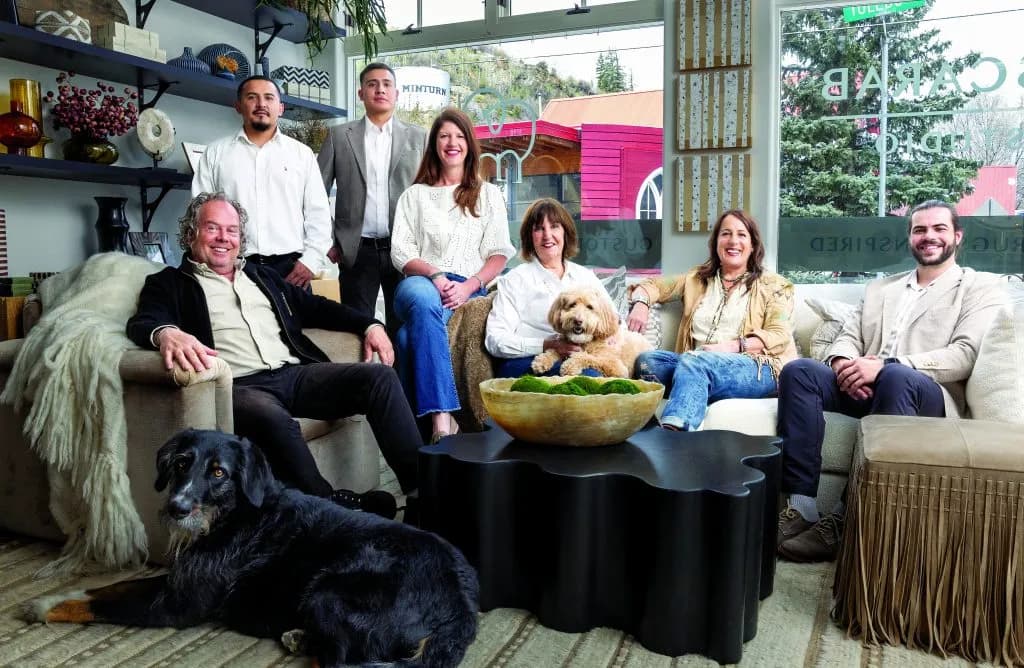
Aspen —Minturn. Population: roughly 1,000. One boutique. Founded: 1992. The obvious take? It’s a quaint little shop selling handmade rugs to tourists passing through on their way to Vail. Cute. Niche. Irrelevant to the broader economic picture.
I disagree.
To understand why, you have to look past the "tourist trap" label and examine the actual supply chain mechanics described by the owners. Larry Stone and Jane Rohr didn’t just open a store; they built a bridge between two distinct artisanal economies. Stone, who planted his roots after the 1988-89 World Alpine Ski Championship, and Rohr, who arrived in the summer of 1988 after growing up in the Turkish and Swiss mountains, leveraged their dual cultural backgrounds.
Let’s do the math on the labor. Most mass-produced rugs are power-loomed. The Scarab’s inventory is hand-knotted or hand-woven. That distinction matters because it dictates the wage floor for the weavers. When Stone and Rohr started out of Slifer Designs, they were already embedded in the Beaver Creek/Vail creative sphere. But the product itself — rugs originating from producers rooted in generations of artisanship — means the capital flows back to specific weaving communities, likely in Turkey given Rohr’s background, and potentially elsewhere depending on the "around the world" sourcing.
In practice, this means Minturn isn’t just a waypoint. It’s a distribution hub for high-value, low-volume goods. The "patina" argument Rohr makes, that a well-made rug develops beauty over time - is actually a retention strategy. It encourages buyers to keep the item rather than replace it, stabilizing the client base.
The bureaucratic jargon here is "networking with artisans." In plain English, that means Stone and Rohr personally vetted the suppliers. They didn’t buy from a middleman. That removes a layer of markup, allowing the boutique to maintain margins while keeping prices competitive for the "quality craftsmanship" segment.
So, is it relevant to the Western Slope? Yes. It proves that small towns can sustain specialized retail niches if they control the supply chain. It’s not about selling rugs. It’s about proving that Minturn has the infrastructure to handle international trade logistics, even if the volume is small.
The bottom line for locals: The Scarab’s existence validates Minturn as a viable commercial center, not just a residential one. If a boutique can survive on handcrafted imports since 1992, the town’s purchasing power is real, not just theoretical. And for anyone buying a rug there, you’re paying for the weaver’s labor directly, minus the studio’s overhead. That’s a fair trade, on paper and in practice.
Keep up with Aspen
The day's Western Slope news, one email each morning. Free.