Moffat County Schools Serve 432,067 Meals in Universal Free Program
Moffat County Schools served over 432,000 meals last year through its universal free program. Director Laura Mouriquand bridges rural isolation and federal rules while boosting breakfast participation.
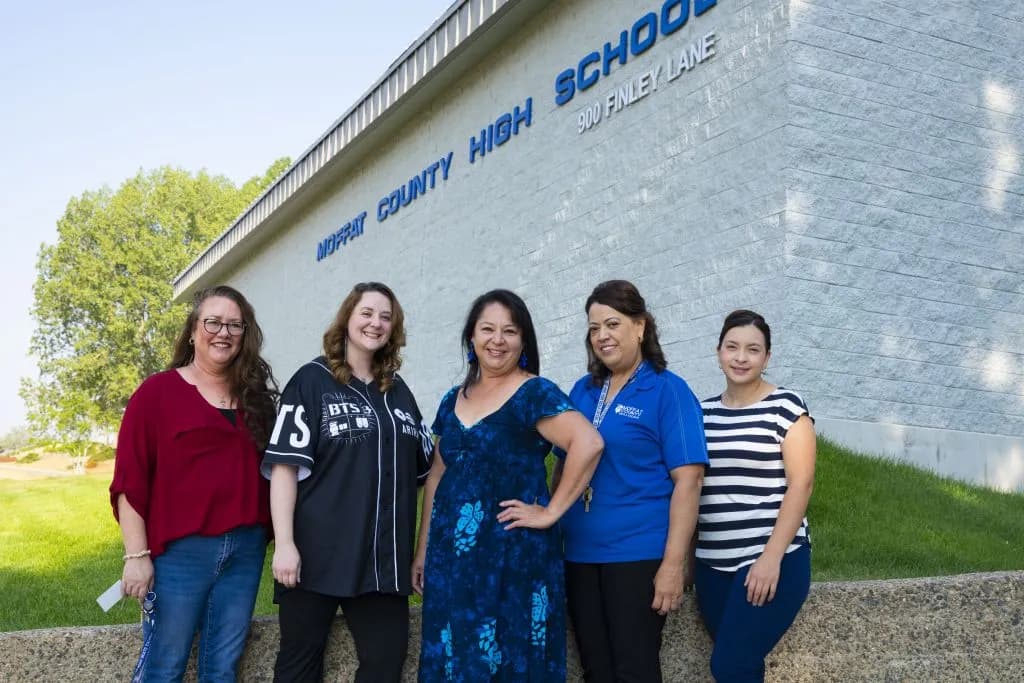
Steamboat Springs —Make no mistake: the school cafeteria in Moffat County is no longer just a place to dump a tray and forget it. It has become the district’s primary engine for community cohesion and nutritional equity.
The short version is this. The county is using food to solve problems that have nothing to do with hunger. It is using food to bridge the gap between rural isolation and federal bureaucracy.
Laura Mouriquand, the Food Service Director, knows the score. She leads a department that doesn’t just heat up frozen patties. She manages the National School Lunch Program, the School Breakfast Program, and the Summer Food Service Program. Her mandate is tight. Meet federal requirements. Manage rising costs. Keep kids eating.
The numbers don’t lie. During the 2025-26 school year, the county served 287,336 lunches. That is a lot of trays. It also served 144,731 breakfasts. Participation has climbed. The climb started in March 2024, when Moffat County Schools District (MCSD) joined Colorado’s Healthy School Meals for All program.
Here is what that actually means for your neighbors. Every student gets one free breakfast and one free lunch. Every single day. No means-tested forms to fill out. No stigma attached to the kid in the back row eating the same meal as the kid in the front. Mouriquand notes that universal access has quietly dismantled the social barriers that once separated the "free lunch" crowd from the rest.
But breakfast is still the harder sell. Mouriquand says increasing breakfast participation remains a top goal. To fix the morning rush, Sandrock Elementary offers Breakfast After the Bell. Latecomers grab a meal and eat it in the classroom. It’s practical. It’s quiet. It works.
The menu itself is a balancing act. You are trying to please a 12-year-old’s palate while satisfying the federal government’s obsession with sodium and saturated fat. Menus are segmented by grade. Pre-K through 12th. The rules on fruits, vegetables, grains, and milk are strict. The calorie counts are monitored.
Mouriquand watches the trash cans. She looks at what gets left behind. If the broccoli gets tossed, the recipe changes. If the seasoning falls flat, she adjusts. It is not guesswork. It is observation.
The result? The Super Nacho. Ground beef. Freshly made pico de gallo. It is a student favorite. Orange chicken over brown rice is another. These are not experimental dishes. They are proven winners.
There is a local angle here, too. The county is trying to tie its plate to Colorado agriculture. Mouriquand buys Colorado-grown produce through a vendor that delivers to Craig. It is not perfect. Sourcing locally in a rural district is expensive and difficult. Few local farms mean higher prices. But the effort is there.
Feinsinger wrote in the Craig Daily Press that the county is navigating these tensions daily. The goal is simple. Serve meals that are nutritious and appealing. Make sure students are excited to eat.
The hard fact is that this system costs money. It costs political capital. It costs administrative bandwidth. But it delivers a tangible return. Kids eat. Kids learn. Kids connect with staff who know their names.
The cafeteria is no longer a back-office function. It is the heart of the school. And it is beating stronger than ever.
Keep up with Steamboat Springs
The day's Western Slope news, one email each morning. Free.



Will my tax refund be gone if I vote yes

"Coloradans could start seeing ballots for this November’s midterm election hit their mailboxes as early as this weekend