MOMIX Brings Illusionary Dance 'Botanica' to Beaver Creek's The Vilar
Artistic director Moses Pendleton explains how MOMIX's 'Botanica' uses mirrors, puppets, and movement to transform dancers into plants at The Vilar in Beaver Creek.
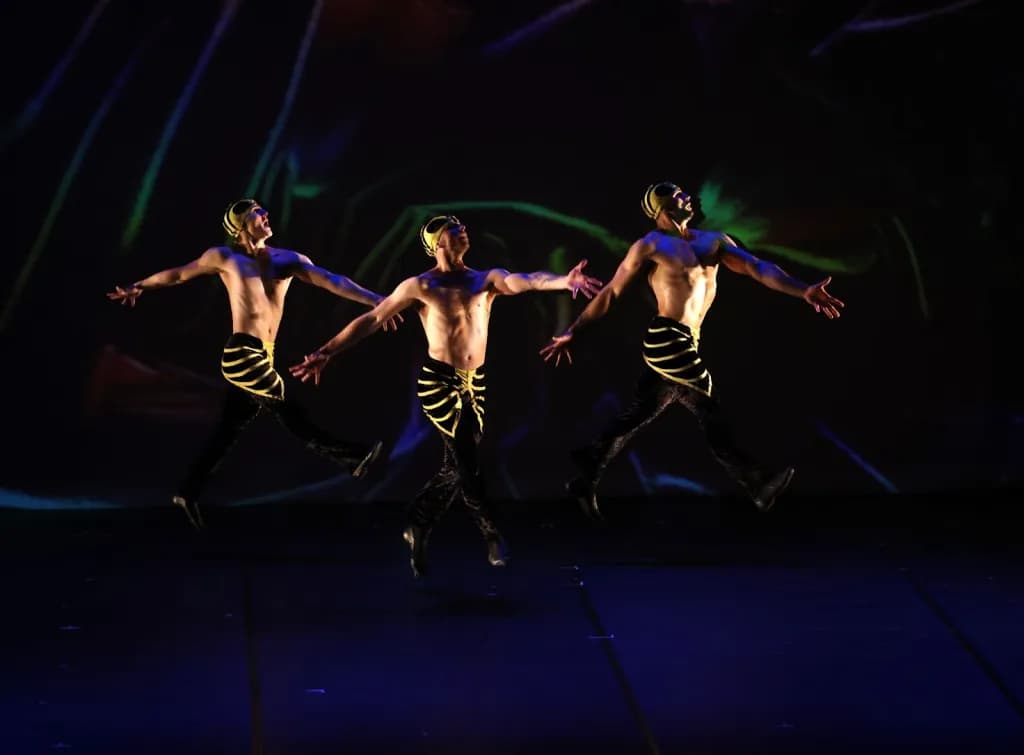
Aspen —“MOMIX presents ‘Botanica’ at The Vilar Sunday.”
That’s the headline. That’s the hook. But if you listen to artistic director Moses Pendleton, the real story isn’t about the ticket sales or the venue’s prestige. It’s about how a group of highly trained dancers becomes a marigold.
Pendleton doesn’t see himself as a choreographer in the traditional sense. He calls himself a visual artist who sculpts movement. He uses props, lighting, and costumes to trick your eye into seeing the hidden life of plants. He’s trying to make the human body explore non-human worlds.
Picture this: a dancer on the stage at The Vilar, draped in fabric that suggests petals, moving with the jerky, sudden energy of an insect. The music shifts from Vivaldi to rock, from bird songs to Peter Gabriel’s “The Heat & Slow Water.” The audience isn’t watching a narrative play out. They’re watching a garden wake up.
“‘Botanica’ emerges from the ‘Dead of Winter’ into a ‘Fantasy Tree-flower,’ ‘Spring Pods,’ ‘Marigolds Bloom,’ ‘Hornets Hoping’ and much more in act one,” Pendleton said. The performance then drags you through summer into fall, ending with “The Last Leaf.” It’s a celebration of nature’s imagination, according to Pendleton. “I’m just following along with the weather, so to speak.”
Here’s the thing though. This isn’t just a dance recital for locals who want to see something different than the usual ballet or contemporary troupes. This is illusion. The company uses mirrors to double a dancer’s image, creating the appearance of a body climbing a vine. Puppets emerge. The movement is startling. It’s designed to be confusing, in a way that feels magical.
“We never give the morning sunlight or the bird songs enough choreographic credit for the show, but I’d like to offer that,” Pendleton said. He wants the audience to feel like they’re walking through a botanical garden, turning around to find something new and colorful catching their eye.
For Beaver Creek, this means a shift in the cultural landscape. The Vilar isn’t just a hall; it’s a destination. When MOMIX arrives, it draws eyes from the ski slopes and the hotel lobbies. It’s art that doesn’t demand you understand a plot. It demands you look closer.
Pendleton describes the work as a “collage of music” chosen to fit the imagery. The soundtrack ranges from the natural sounds of birds to the structured strings of Vivaldi. The titles of the pieces — “Frozen Land,” “Space Weaver,” “Voices from the Lake” — suggest a journey through time and element. But the core is physical. It’s about the body transforming.
“It creates new kinds of motion, and hopefully, a different emotion,” he said.
There’s a specific kind of magic in that. It’s the illusionistic tendency of nature. It’s transformation and surprise. You’re not sure what you’re seeing, but it’s colorful. It’s alive.
And that matters because it reminds people in the valley that art doesn’t always have to be a story with a beginning, middle, and end. Sometimes it’s just a feeling. A marigold blooming. A hornet hoping. The slow water.
The performance ends with “The Last Leaf.” The lights go down. The dancers freeze. The illusion breaks. You’re back in Beaver Creek. You drive home. You look at the trees outside your window. You wonder if they’re watching you back.
Keep up with Aspen
The day's Western Slope news, one email each morning. Free.