James Hunter Brings Soulful Legacy to Beaver Creek Summer Jazz Series
British singer James Hunter brings a lineage of soul and jazz legends to the Vilar Performing Arts Center for the Summer Jazz Series, blending his gritty voice with influences from Aretha Franklin and Allen Toussaint.
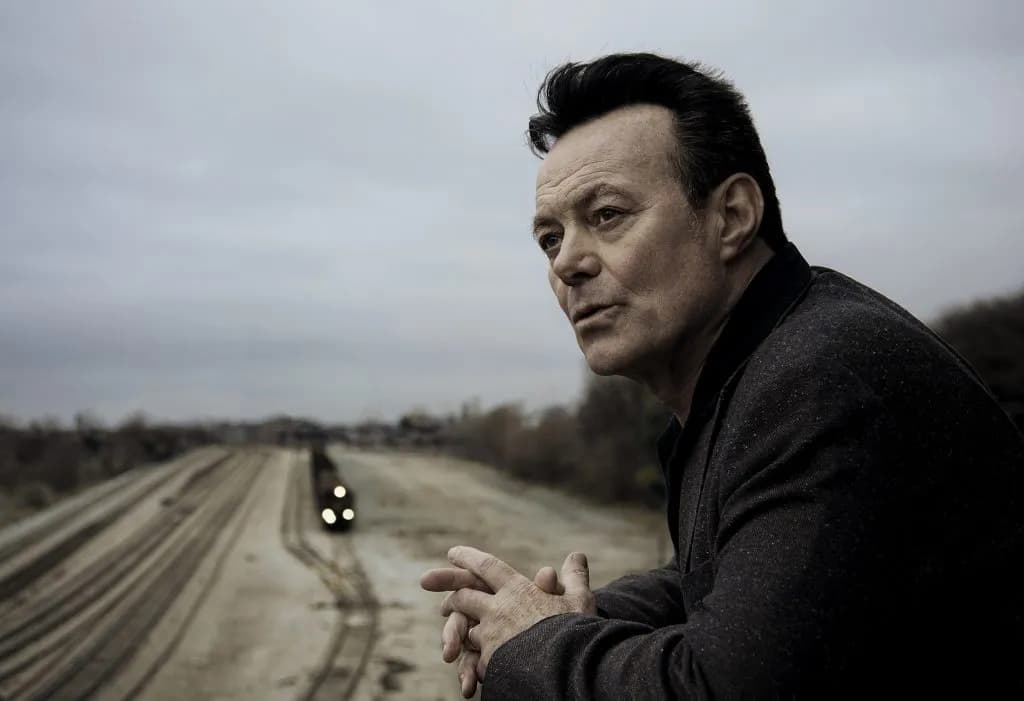
Aspen —The air inside the Vilar Performing Arts Center holds that specific, heavy silence that precedes a storm, or perhaps just the intake of breath before a soulful note tears through the rafters. It is a quiet that feels earned, built on the anticipation of British singer James Hunter and his six-piece band stepping onto the stage for the Summer Jazz Series on July 2. You can feel the weight of history in that room, a place where the acoustics seem to catch every gritty vowel and sharp snare hit, pulling the audience into a rhythm that has been honed over decades.
Hunter isn’t just showing up to play notes; he is bringing a lineage. He has shared stages with the titans of rhythm and soul — Aretha Franklin, B.B. King, Etta James, Bonnie Raitt, Van Morrison, and Allen Toussaint. To stand in the same spotlight as those legends is one thing, but to carry their influence in your own voice is another matter entirely. Hunter notes that the mark these figures left on him was "indelibly stamped," particularly that of Allen Toussaint, whom he admires not just as a musician, but as a writer and producer. That reverence for the past is what makes the current performance at Beaver Creek worth the drive up the valley. It’s not just a concert; it’s a transmission of cultural memory.
The band’s latest work, Off the Fence, offers a glimpse into that transmission. Originally slated for the Daptone label, the record found its way to Dan Auerbach’s Easy Eye Sound because Daptone was simply overloaded with projects. It’s a practical decision that speaks to the busy reality of the music industry, but the result is a blend of Hunter’s past, present, and future. There is no single unifying theme, just a collection of songs that stick together on the large format, influenced by the same artists Hunter strives to emulate. You might even catch a hint of American jazz pianist Mose Allison sneaking into the mix, a subtle nod to the ironies of musical lineage.
Hunter’s voice is gritty, his songwriting sharp, but it is the collaboration with Van Morrison on "Ain’t That A Trip" that highlights the depth of his connections. The two have known each other since the early 1990s, sharing gigs on and off. Morrison’s influence even prompted Hunter to add a keyboard player to the band’s sound for the first time, filling out the sonic landscape. "His voice and mine always blend quite well," Hunter says. "It’s quite a nice match."
Yet, for all the polish, there is a raw honesty in Hunter’s approach to songwriting. He believes that all kinds of music are essential, that they express something that needs saying. He usually includes one social commentary tune on every album, though it didn’t make the cut for this release. That track, "Let Freedom Ring," was a satirical look at Free Speech Warriors, proving that even when the style shifts, the commentary remains.
As the summer heat builds outside, the Vilar offers a cool, curated space for this blend of soul and jazz. The band plays for those who listen closely, who notice the way the keyboard fills the sound, who hear the influence of Toussaint in the groove. It is a performance that respects the past while firmly planting its feet in the present.
When the final note fades and the house lights come up, the silence returns, but it is different now. It is the silence of a room that has been shaken, of a community that has shared in the vibration of a voice that has traveled from Britain to the Western Slope, carrying with it the ghosts of Aretha, B.B., and Allen. You walk out into the cool evening air, the smell of pine and dust still clinging to your clothes, the rhythm of the bass line still humming in your chest.
Keep up with Aspen
The day's Western Slope news, one email each morning. Free.