Mount Blue Sky Road Closure Drives Colorado 14ers Visitation to 10-Year Low
Colorado’s total 14er hikers fell to a 10-year low of 256,000 in 2025, driven primarily by the Mount Blue Sky Scenic Byway road closure which cut access to 18,000 visitors, while Mount Bierardt narrowly edged out Quandary Peak for the top spot.
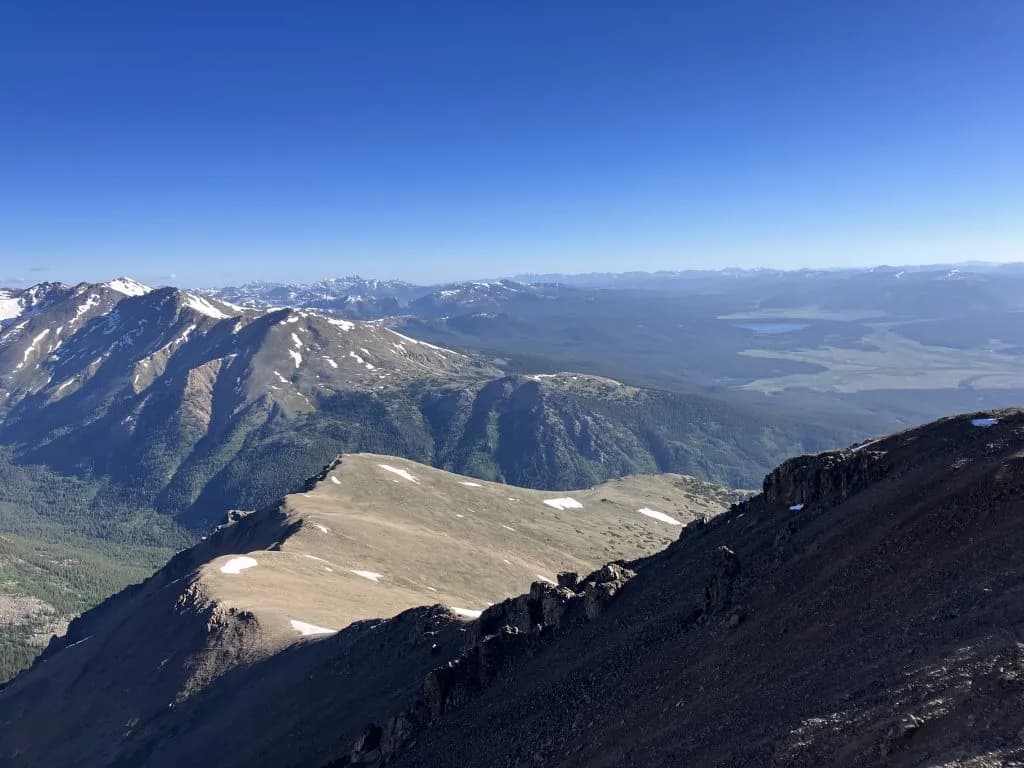
Aspen —256,000 hikers. That’s the total number of people who attempted to climb Colorado’s 14,000-foot peaks in 2025. It’s the lowest estimate since these reports began in 2015.
The number is down 3% from the previous year. On paper, it looks like interest is waning. In practice, it’s mostly about access.
Lloyd Athearn, executive director of the Colorado Fourteeners Initiative, says the decline isn’t because people stopped wanting to climb mountains. It’s because the roads got shut. Specifically, the closure of the Mount Blue Sky Scenic Byway, or Colorado Highway 5, for construction cut off the main hiking route to Mount Blue Sky.
The impact was immediate and massive. An estimated 18,000 fewer hikers visited the peak last season. Without the road, you’re left with long, backcountry routes to access the 14,264-foot summit. That’s a lot of people who probably didn’t bother driving all the way to the top of the world just to hike the last few miles on foot.
The nonprofit doesn’t try to estimate how many people hike to the summit from the top of the road itself, which sits just 138 feet away. They just know the road closure killed the easy access.
Despite the overall dip, some peaks saw increases. The race for the state’s most popular 14er usually comes down to two names: Mount Bierstadt near Georgetown and Quandary Peak near Breckenridge. Last year, it was a photo finish.
Bierstadt took the top spot by just 500 hikers. The Fourteeners Initiative installed infrared trail counters at both peaks, and they were operational through the entire 2025 hiking season. The data shows Quandary recorded about 30,500 hikers. Bierstadt recorded nearly 31,000.
The difference in how people climb them is stark. Athearn noted that Quandary tends to have more consistent numbers of hikers each day. Levels remain steady throughout the week. Bierstadt, on the other hand, sees a weekend surge. It’s a different kind of traffic pattern, but both peaks are drawing crowds from all over the globe.
"These peaks are known worldwide, and people come from all over the globe to climb them," Athearn said. "I mean, they really are these approachable Everests. Most of them can be hiked by people who are fit, if they’ve taken time to get acclimatized to the altitude."
The volatility in overall numbers is driven by infrastructure projects, not a lack of ambition. Athearn described the situation as flipping light switches on and off for different peaks. Some open, some close, and the access changes.
The Colorado Fourteeners Initiative works to protect these mountains and their ecosystems. They host crews who spend the summer maintaining trails. They track the hikers. They report the numbers. But they can’t control the state’s decision to close Highway 5 for construction.
The result is a 10-year low in total visitation, driven by a single road closure that removed 18,000 people from the count. The rest of the peaks held steady or grew. The infrastructure project didn’t stop people from climbing; it just made it harder for them to get to the top.
For locals who rely on these trails for recreation or who watch the traffic patterns change with the seasons, the lesson is simple. If the road is closed, the numbers drop. If the road opens, the numbers rise. It’s that straightforward.
Keep up with Aspen
The day's Western Slope news, one email each morning. Free.