Mountain Valley Horse Rescue Helps Traumatized Horses Heal
The team at Mountain Valley Horse Rescue works to help traumatized horses heal and trust again through patience, love, and gentle care.
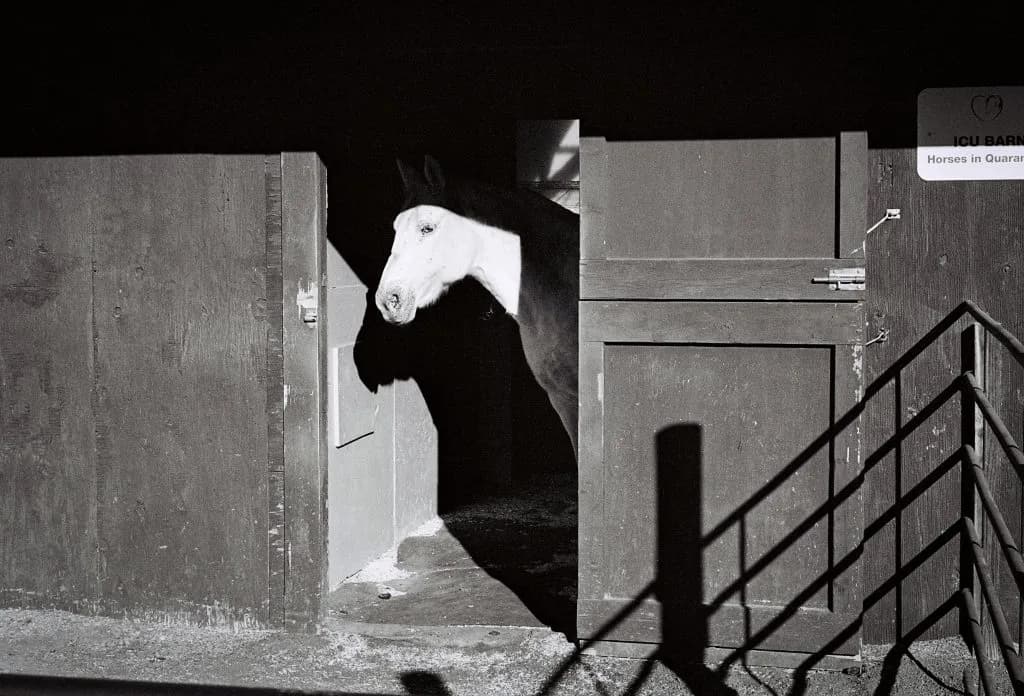
Aspen —It's a common assumption that horses, like people, can simply "get over" traumatic experiences with time and patience. But the reality is more complex, as the team at Mountain Valley Horse Rescue can attest. When six horses, each with their own unique signs of neglect and trauma, arrived at the rescue, the staff knew they had their work cut out for them. Among them was a gray mare they named Pippi, whose defensive movements and leery eye suggested a deep-seated wariness of humans.
As Sheryl Devins, a member of the rescue team, puts it, "Her leery eye and defensive movements, as we began to care for her, were no deterrent." The team's approach was rooted in a deep understanding of the profoundly resilient nature of these animals, and the knowledge that, with love and time, even the most traumatized horses can learn to trust again. But it's not just a matter of waiting for the horse to "come around" - it requires a deliberate and gentle approach, one that prioritizes the horse's comfort and sense of safety above all else.
The numbers back that up: according to the rescue team, it's not uncommon for horses like Pippi to take months, even years, to fully recover from their traumatic experiences. And yet, as Devins notes, "We had seen it before, the profoundly resilient nature of these animals to put their pasts behind them and find ways to blossom in new surroundings." So, they began their work with Pippi, moving quietly and respectfully around her, never raising a hand that could be mistaken for violence, and speaking softly to reassure her of their gentle intentions.
As the days turned into weeks, and the weeks into months, Pippi slowly began to open up. She started to look towards people as they passed by, her ears pricking forward to track their movements. Her eyes, once dull and fearful, became bright and curious. And, eventually, she began to allow them to take tentative steps towards her, even accepting gentle strokes on her shoulder or a cookie from an outstretched palm. It was a fragile, hard-won trust, one that they were careful not to disrupt.
But, as Devins notes, "As months passed and Pippi seemed ready to try, we began to ask simple questions of her." Would she be willing to be haltered, to be led, to have her grossly overgrown feet handled? These were not trivial questions, and they knew that they had to be asked with sensitivity and care. The fact that Pippi was even willing to consider these questions showed the progress she had made, and the trust she had begun to place in her caregivers. This progress was a direct result of the gentle approach and patience that had been shown to her, and it gave them hope for her continued recovery.
The question is whether, in time, Pippi will be able to fully overcome her traumatic past and become a confident, trusting horse. Her future is uncertain, but for now, they remain hopeful, and committed to providing the love, care, and patience that Pippi needs to heal. As Devins puts it, "So we continued to hope, and it seemed so did she." In the end, it's not just about "fixing" a broken horse, but about creating a safe, supportive environment in which that horse can learn to trust and thrive. As they work with Pippi, they are reminded that, with patience, love, and care, even the most traumatized animals can find a way to heal and move forward. And, as Devins says, "We were confident that in time a lighthearted adventurous spirit would re-emerge." For Pippi, and for those caring for her, that's a goal worth working towards.
Keep up with Aspen
The day's Western Slope news, one email each morning. Free.

NWRM CASA Honors Judge O’Hara and Founders at 15th Anniversary
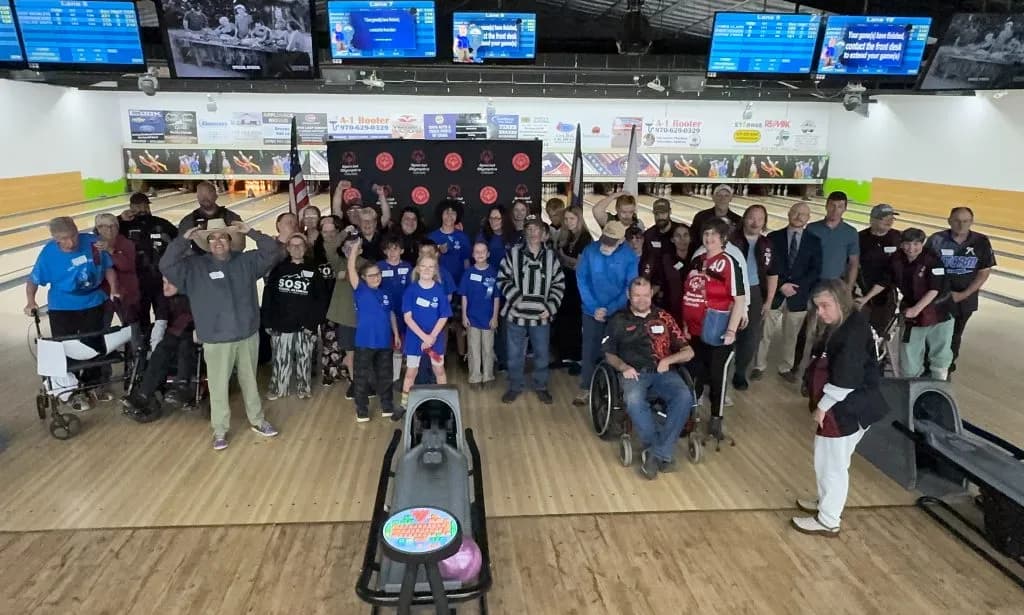
Craig Hosts Only Regional Special Olympics Bowling Competition