Nancy Silverton Teaches Tuna Melt Secrets at Aspen Food & Wine Classic
Legendary chef Nancy Silverton leads a masterclass on simple comfort foods like tuna melts and egg salad during Day 3 of the Aspen Food & Wine Classic, while Victoria James hosts a high-stakes champagne tasting.
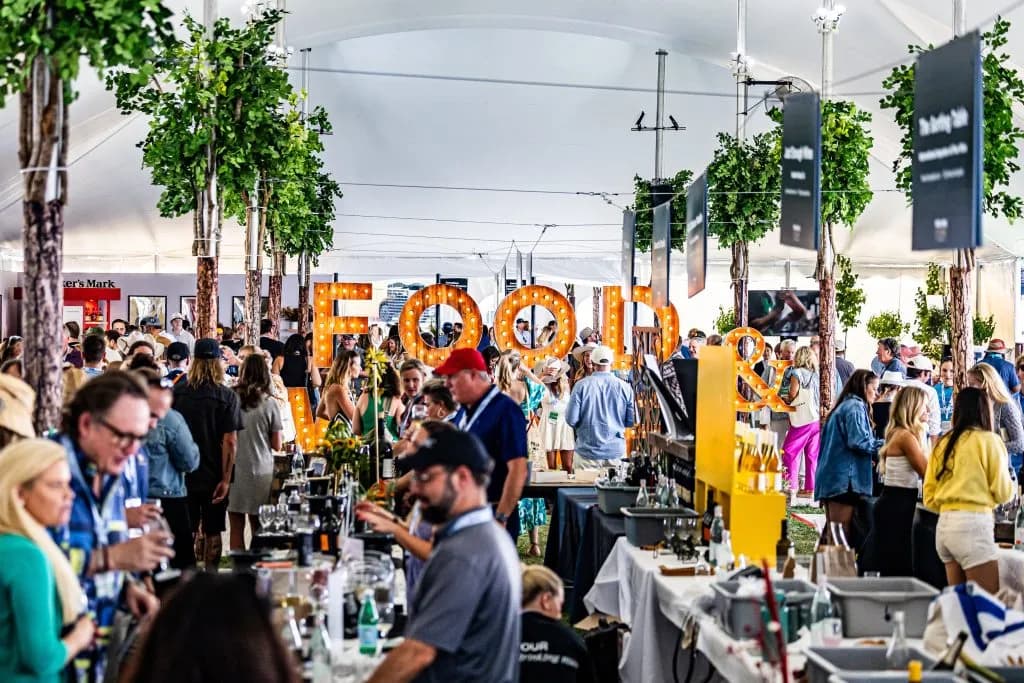
Aspen —The air inside the St. Regis ballroom smells like expensive butter and ambition. Outside, the Aspen wind is still picking up, rattling the windows of the historic hotel, but inside, the climate is controlled, the lighting is flattering, and the attendees are hungry for more than just lunch. It is Day 3 of the Food & Wine Classic. The novelty has worn off. The hangovers are gone. Now, it’s just chefs, critics, and people who think they can tell a $200 bottle of champagne from a $20 one.
Nancy Silverton doesn’t just cook; she corrects you. During the “Short Orders, Big Flavor” seminar, the legendary chef made a simple tuna melt look like a theological debate. She didn’t just toss ingredients together. She dissected them. She told the room to stop using store-bought mayonnaise like it’s a mystery box. Make your own aioli. Add champagne vinegar. Grate a clove of garlic. Squeeze fresh lemon. It’s basic chemistry, but she made it sound like a revelation.
Then came the egg salad. The rule was strict: never chop the eggs. Tear them by hand. Keep the yolks whole. Silverton warned us that chopping turns the mixture into mush, a texture crime she refuses to forgive. Phil Rosenthal, the television writer and producer standing beside her, handed her the knife. She teased him for it. “Good, Phil, you did something!” she said. It was a small moment, but it set the tone for the afternoon. This wasn’t a lecture. It was a masterclass in humility disguised as comfort food.
Silverton’s advice on the tuna melt was equally specific. Place the cheese on the outside of the bread. Not inside. Outside. This creates a cheese crust on the topside. It’s a detail most home cooks miss. It’s the difference between a sandwich and a meal.
After the seminar, the crowd spilled out. I caught up with Rosenthal and his family. They weren’t talking about culinary theory anymore. They were talking about “Redi-chix,” the chicken basket roaster in Brentwood. Everyone agreed. It’s the real deal. It’s the kind of place that belongs on Main Street in every town, not just Los Angeles. If there is a heaven, it’s a family-run diner. And the menu is simple. Tuna melts. Egg salad. Fried chicken.
But Aspen is also about the spectacle. And the spectacle this year was champagne and fried chicken.
Victoria James, the wine expert, led a session that was less about tasting and more about gambling. The format was pure fun. Seven unlabeled champagnes. A QR code. A promise: rank the bottles from most to least expensive, and you win a case of 12. It sounds easy. It isn’t.
I’d made the pilgrimage to COCODAQ’s New York location back in April. I walked 40 blocks just to get two seats at the bar. I wanted the viral chicken nuggets with caviar. Seeing COCODAQ on the Aspen schedule felt like a full-circle moment. The viral hit was here, in the Rockies. The pairing was deliberate. Champagne cuts the fat. Fried chicken demands the bubbles.
The room was tense. People were staring at the labels, trying to read the price tag hidden in the flavor profile. It’s a lot harder than it sounds. You think you know what you’re drinking. You don’t.
This is what the Classic has become. It’s not just about the food. It’s about the competition. The stakes. The social currency of getting it right. Silverton gave us the tools. James gave us the arena.
The short version? We’re still eating. We’re still drinking. And we’re still trying to figure out who’s paying for the next round. The wind outside hasn’t stopped. The hotel lights are still on. The game isn’t over.
Keep up with Aspen
The day's Western Slope news, one email each morning. Free.
Stanford and MD Anderson Studies Target Single Receptor to Reverse Aging

Tribal members bless Mount Blue Sky summit for Colorado sesquicentennial
Craig Press Merges Two Magazines to Define Northwest Colorado’s Outdoor Identity
Eagle County Judge Receives Legacy Award for Mental Health Court Reforms
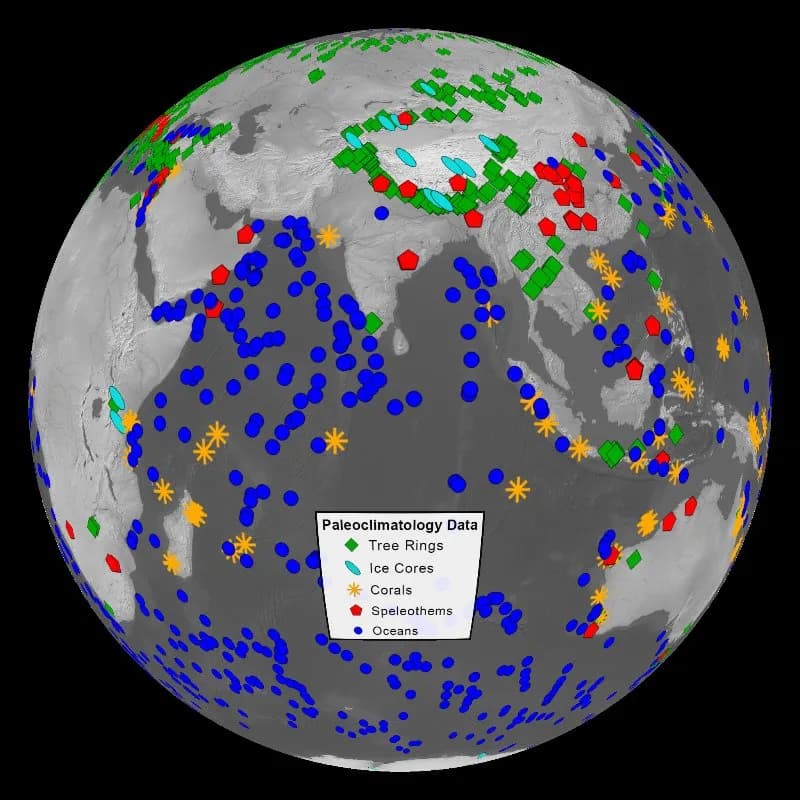
Vail Symposium Speaker Dr. Tierney Links Paleoclimate Data to Local Property Values