Nina McConigley Unpacks Colonial Trauma in New Novel
Nina McConigley’s new novel explores how two teenage girls in 1986 Wyoming blame their abusive uncle's murder on generational British colonialism, blending immigration, family trauma, and place.
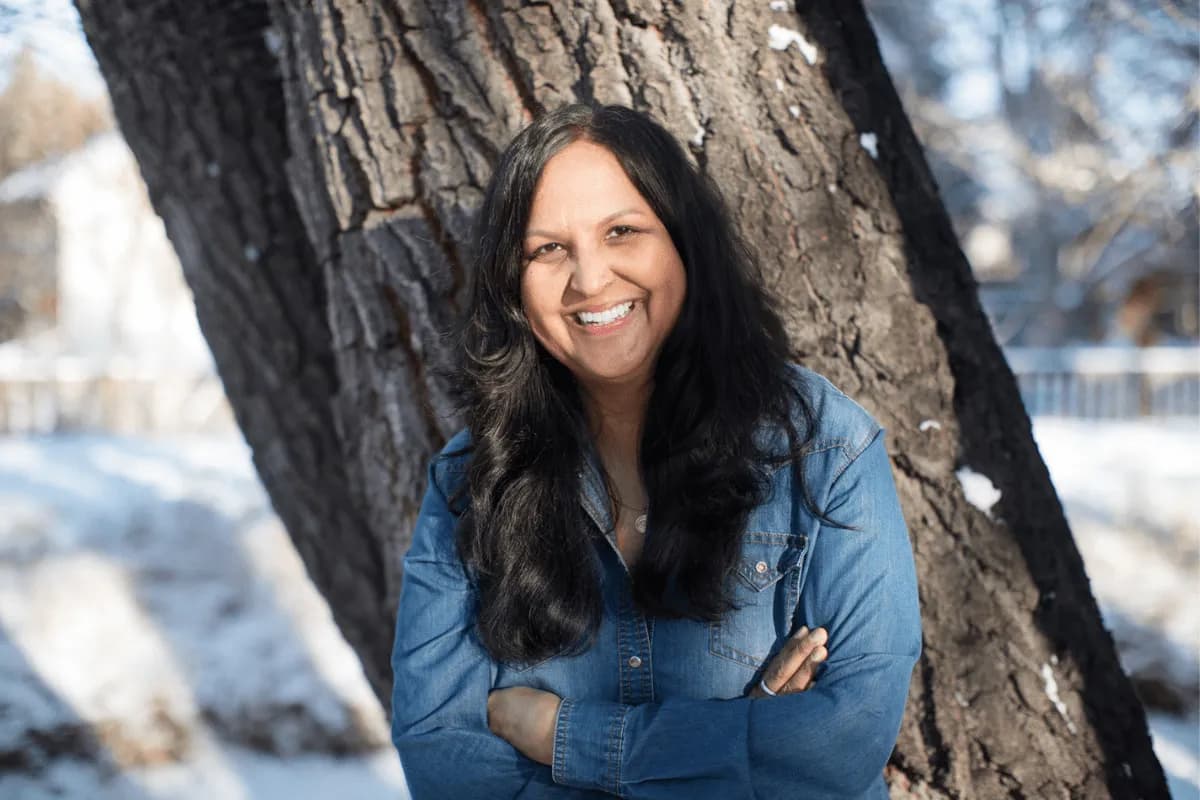
Colorado —Nina McConigley’s new novel, How to Commit a Postcolonial Murder, isn’t just a story about a crime. It’s a portrait of an immigrant family in the American West, anchored in 1986 Wyoming. Two Indian families live within an extended family in rural Wyoming. A murder occurs. The crime remains undiscovered.
The book examines the intersection of immigration, family, and place. It’s a postfrontier novel. It dips into post-Independence India. It explores how two teenage girls, Agatha Krishna and Georgie Ayyar, blame their trauma on everything from Reagan to the British Empire.
McConigley grew up in Wyoming in the 1980s. She is a biracial child of the West. She draws on that experience. She teaches at Colorado State University. She was a fellow at the Radcliffe Institute for Advanced Study at Harvard. She holds a National Endowment for the Arts Creative Writing Fellowship.
The novel’s prologue sets the tone. It’s told in an experimental style. First and second person. The girls blame a lot. They blame Reagan. They blame the Cold War and Gorbachev. They blame famine in Ethiopia. They blame AIDS. They blame the Olympics. They blame their parents for moving to Wyoming and settling in Marley. They blame them for everything.
Agatha Krishna says it started when they came. Georgie blames the British. Everything goes back to the British. They were colonists. They shaped Amma’s world. They made her spell favor with a u. They made her use a knife and fork. They taught them to keep their upper lips stiff.
The setting matters. A frost came and left the garden in disarray. Tomato stalks broke. Peppers dangled like limp green earrings. Then the days warmed. An infestation of millers descended. They threw themselves in swarms at the streetlights. They offered a kind of suttee to the light. Black dots against the Krishna-colored sky.
McConigley selected this excerpt because it explains who the girls seem to blame for the trauma in their family. The book is not a whodunit. It’s about unpacking the why behind their murder. The girls plot to murder their abusive uncle. They place the blame for their crime on factors eventually landing on the generational effects of British colonialism.
The process of writing this book was different for McConigley. She learned to write a novel. Short stories feel like a sprint. The novel is a marathon. She learned about time. She learned to tell a retrospective story. She played with form and readers’ expectations.
A lot of poetry inspired the book. Bhanu Kapil and Athena Farrokhzad influenced her. Small experimental books helped too. Assembly. Grief is a Thing of Feathers. Department of Speculation. Tides.
She also adapted her first book, Cowboys and East Indians, for the stage. It was commissioned by the Denver Center for the Performing Arts. It premiered worldwide in January 2026 at the Denver Center. Theater was a new medium. Writing the play was a joy.
The novel is anchored in a year. 1986. The murder happens within that year. The two families live in rural Wyoming. The characters are named after colonial British women writers. Agatha Krishna and Georgie Ayyar.
McConigley notes the challenges of the novel are different from short stories. She enjoyed playing with form. She enjoyed reading the minds of teenage girls. The prologue sets up the two families. It lets the reader see into their heads.
The story moves between Wyoming and India. It explores the generational effects of British colonialism. It looks at how that history shapes the present. The girls blame the British for their mother’s habits. For their uncle’s behavior. For their own quietness around white people.
The book is out now. It’s a portrait of a specific time and place. It’s about a specific crime. But it’s also about how we blame the past for the present.
McConigley is a fellow at Harvard. She teaches at Colorado State. She lives in the West. She writes about the West. She writes about the people who live there.
The novel is titled How to Commit a Postcolonial Murder. It’s a postcolonial murder. It’s a Wyoming murder. It’s a family murder. The crime is undiscovered. The blame is everywhere.
Keep up with Colorado
The day's Western Slope news, one email each morning. Free.




Federal Report Sets 200,000 Acre-Foot Water Conservation Target for Upper Basin
Colorado Parks and Wildlife Deploys Precision Drones for Weed Control