Northern Water Fills Chimney Hollow Reservoir for Safety Testing
Northern Water has begun filling the Chimney Hollow reservoir to test safety systems and infrastructure, following a delay due to uranium discovery in the dam's quarry site.
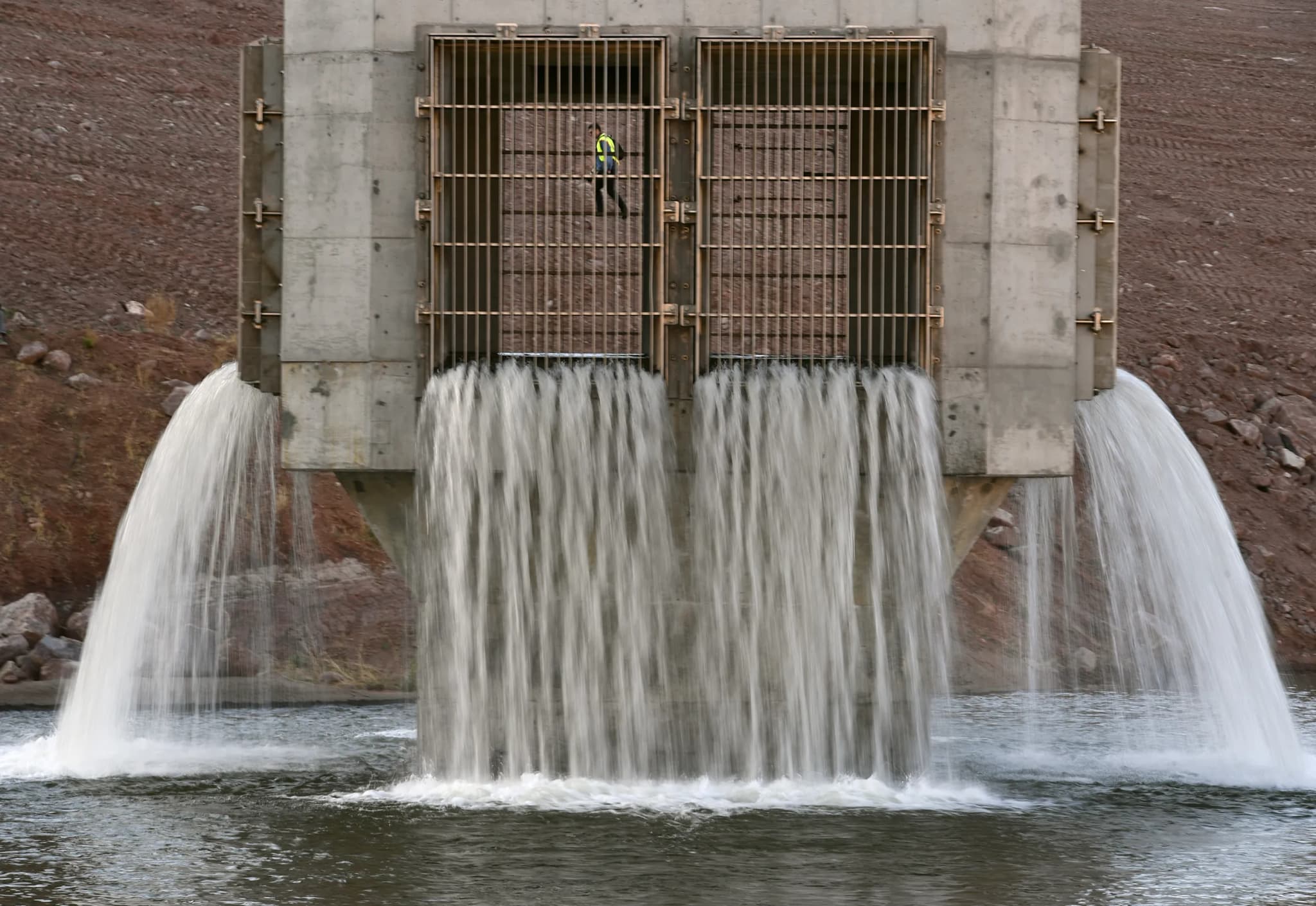
Colorado —Northern Water has started filling the Chimney Hollow reservoir with 1,500 acre-feet of Western Slope water, a move that marks the beginning of testing safety systems and infrastructure at the dam. As Brad Wind, general manager of Northern Water, puts it, "This initial fill will allow us to test the reservoir's systems and infrastructure under real-world conditions." The reservoir, located near Loveland, has a storage capacity of 90,000 acre-feet and is part of the Colorado-Big Thompson system, which brings water from the Western Slope to the eastern side of the Continental Divide.
The decision to start filling the reservoir comes after a delay caused by the discovery of natural uranium leaching out of rocks exposed in a quarry used for dam fill. This finding was unexpected, and Northern Water had to conduct additional testing to determine the extent of the uranium levels and how they would be affected by the influx of new water. As Wind explains, "We need to understand how the uranium will behave in the reservoir, and this initial fill will give us valuable insights into that." The testing is crucial, as the water provider wants to ensure that the water quality meets the required standards before releasing it to the 11 water providers that have invested in the project.
The initial fill is less than 2% of the total reservoir volume, and it will provide Northern Water with a better understanding of real-world conditions. The water provider has stated that its test results at the quarry site and other locations have been highly variable, even within a few inches of each other, due to the nature of uranium deposits. This variability highlights the complexity of the issue and the need for careful monitoring and testing. As Wind notes, "We're taking a cautious approach to ensure that the water quality is safe for our users."
The discovery of uranium in the quarry used for dam fill has raised concerns, and Northern Water is working to address them. The agency is conducting background level testing of groundwater in the area to better understand the natural occurrence of uranium deposits. This testing is essential, as Colorado's geology includes pockets of naturally occurring uranium deposits, which can lead to higher than normal background levels of radioactive elements. As Wind says, "We want to make sure that we're not introducing any new risks to the environment or to our users."
The reservoir is a significant project, with its main dam reaching 350 feet tall and 3,700 feet long. It's the tallest new dam built in the United States in the last 25 years and is the largest rockfill asphalt core dam in the U.S. The project has been years in the making, and the initial fill marks an important milestone. However, the question is whether the water quality will meet the required standards, and the outcome of the testing will determine the next steps for Northern Water.
As the testing continues, Northern Water will be closely monitoring the results to determine the next steps. The agency has stated that it will not release any water downstream to the 11 water providers until the water quality tests are complete. This approach is prudent, given the potential risks associated with uranium contamination. As Wind puts it, "We're committed to providing safe and reliable water to our users, and we won't compromise on that."
The numbers back up the need for caution, as many utilities in Western states must filter out uranium along with other potential contaminants as part of their routine water quality screening. Northern Water is taking a proactive approach to address the issue, and the initial fill is an important step in that process. As Wind says, "We're learning as we go, and we're committed to getting it right."
In the end, the success of this water storage project will depend on the ability of Northern Water to ensure that the water quality meets the required standards. As Wind notes, "We're in this for the long haul, and we want to make sure that we're providing a safe and reliable water supply to our users." The community will be watching closely, and the outcome will have a significant impact on the region's water security. As Wind puts it, "We're committed to transparency and accountability, and we'll keep the community informed every step of the way."
Keep up with Colorado
The day's Western Slope news, one email each morning. Free.

Federal Report Sets 200,000 Acre-Foot Water Conservation Target for Upper Basin
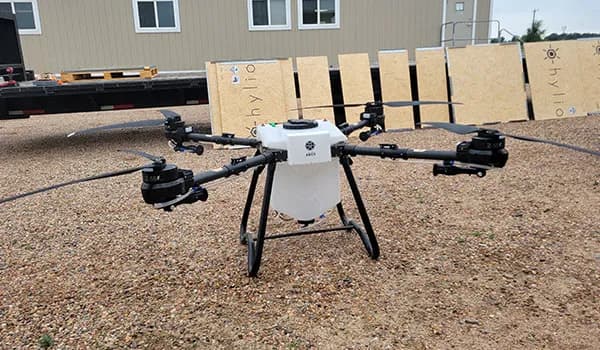
Colorado Parks and Wildlife Deploys Precision Drones for Weed Control