Northern Water Pledges $30 Million to Clear Grand Lake Cloudiness
Northern Water commits $30 million over 30 years to fix cloudy waters in Grand Lake, funding weed control, aeration, and sediment removal to improve the critical C-BT delivery system.
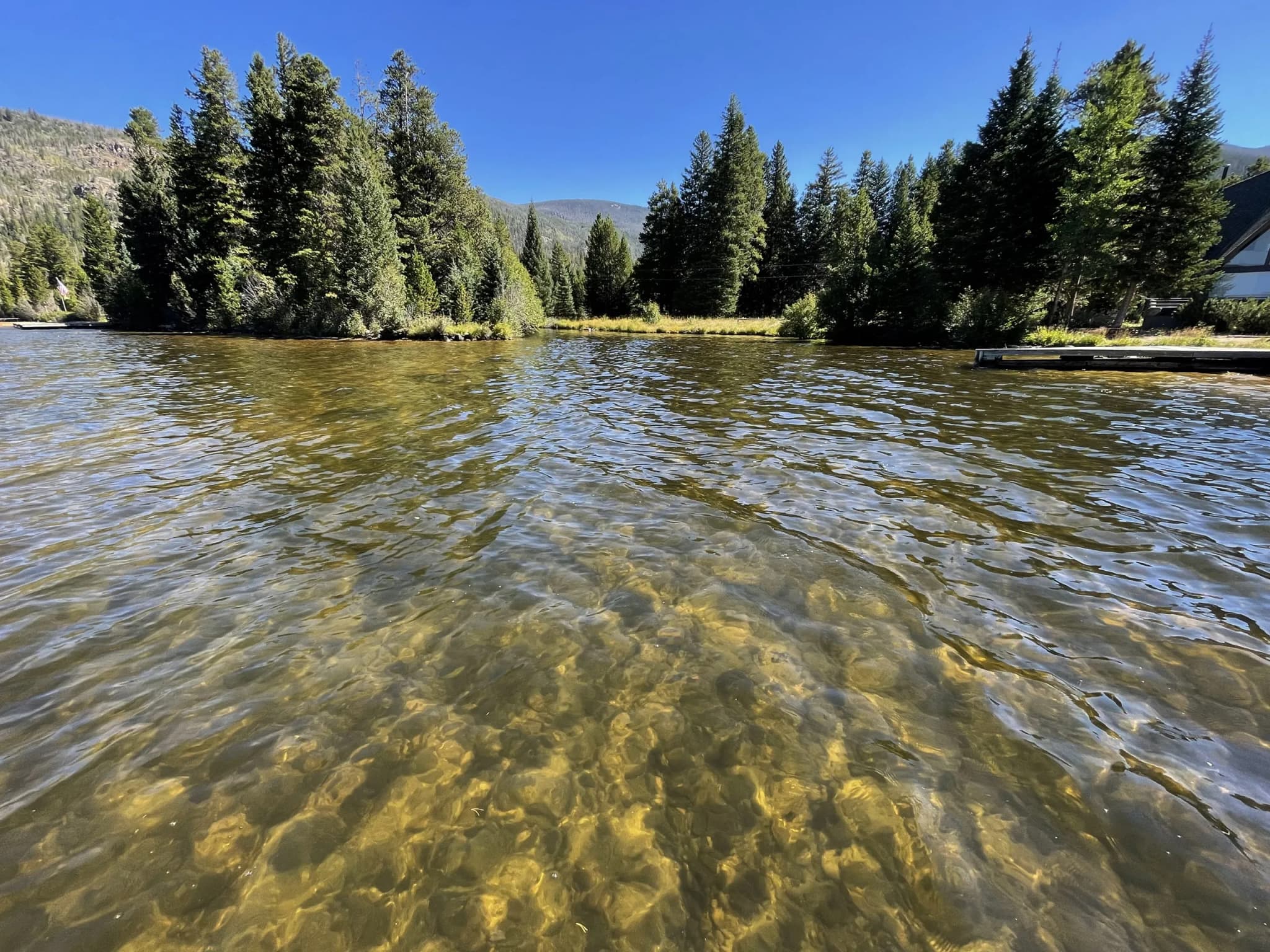
Colorado —“Grand Lake is a key element of Northern Water’s Colorado-Big Thompson delivery system,” Jeff Stahla said. “It has been a long and arduous process to get here.”
Stahla, a spokesperson for Northern Water, isn’t just talking about the lake’s beauty. He’s talking about the plumbing that keeps more than a million people on the northern Front Range hydrated and thousands of acres of farmland irrigated. The catch? That same plumbing has been clouding up the water in Grand Lake for decades, turning a scenic jewel into a murky liability.
Now, the bill is coming due. Northern Water has agreed to pay $30 million over the next 30 years to fix it. That’s $1 million a year, dedicated solely to testing and implementing solutions like weed control, aeration, and sediment removal.
To hear them tell it, this is the end of the waiting game.
“This is the first time a dedicated source of money has been set aside to help the lake,” Stahla said. “We’re hopeful that this is a turning point for being able to work together for the common good.”
The math here is straightforward, even if the history isn’t. Grand Lake, located near the west entrance to Rocky Mountain National Park, is Colorado’s deepest natural lake. It’s been a tourist draw since the late 1800s. But it’s also the central hub in a massive water-moving machine.
The Colorado-Big Thompson (C-BT) system gathers water from the Upper Colorado River and stores it in Lake Granby and Shadow Mountain Reservoir. From there, it flows into Grand Lake before being pushed through the Adams Tunnel under the Continental Divide to Carter Lake and eventually Horsetooth Reservoir.
The problem is what happens during the transfer. As water moves through the system, algae and sediment get stirred up. They cloud the formerly clear waters, causing blooms and weed growth that choke out recreation. Locals have been watching this happen for years, and the frustration has been building since at least 2008, when state agencies first tried to set a clarity standard.
It wasn’t just a technical issue; it was a political one. The original clarity standard was replaced by a vague goal of achieving “the highest level of clarity attainable.” Northern Water tried changing pumping patterns. The U.S. Bureau of Reclamation started scientific studies in 2016. But by 2020, Reclamation hit a wall. They couldn’t definitively prove that structural changes would work, and they couldn’t figure out who was going to pay for the massive infrastructure redesign.
So, the lake stayed cloudy.
The breakthrough came in 2024, when Colorado lawmakers passed a resolution pushing for action. Now, Northern Water is stepping up. The $30 million figure isn’t a one-off grant; it’s a sustained investment. The $1 million annual spend will go toward active management — pulling weeds, aerating the water to keep oxygen levels up, and removing the sediment that settles at the bottom.
For the folks who live here, or who spend their summers boating on the lake, the question is whether this money actually clears the water, or if it’s just another layer of management in a system that’s been managed to death.
“The deal is the first time a dedicated source of money has been set aside to help the lake,” Stahla noted.
That dedication matters. For years, the fix depended on federal studies and state mandates. Now, it depends on a utility company’s willingness to write checks. Northern Water operates the C-BT system on behalf of the U.S. Bureau of Reclamation, so they’re the ones holding the wrench.
The lake remains a critical node. If the water quality degrades further, it doesn’t just hurt the tourist economy. It threatens the efficiency of the entire delivery system that feeds Fort Collins, Greeley, and beyond.
Stahla is optimistic, but he’s also cautious. This isn’t a magic switch. It’s a 30-year plan.
“We’re hopeful that this is a turning point,” he said.
That depends on the weeds.
Keep up with Colorado
The day's Western Slope news, one email each morning. Free.


Federal Report Sets 200,000 Acre-Foot Water Conservation Target for Upper Basin
Colorado Parks and Wildlife Deploys Precision Drones for Weed Control