Northwest Colorado Report Blames Transmountain Diversions for 2025 Water Crisis
A new Northwest Colorado report blames transmountain diversions for depleting streamflows during the 2025 off-season, threatening the region's recreation-dependent economy.
Steamboat Springs —The snow is gone. It was never really there to begin with, at least not in the way the postcards promise.
That is the counterintuitive truth of 2025: The crisis isn’t that we ran out of water. It’s that the water arrived too early, vanished too fast, and left behind a bill we didn’t budget for.
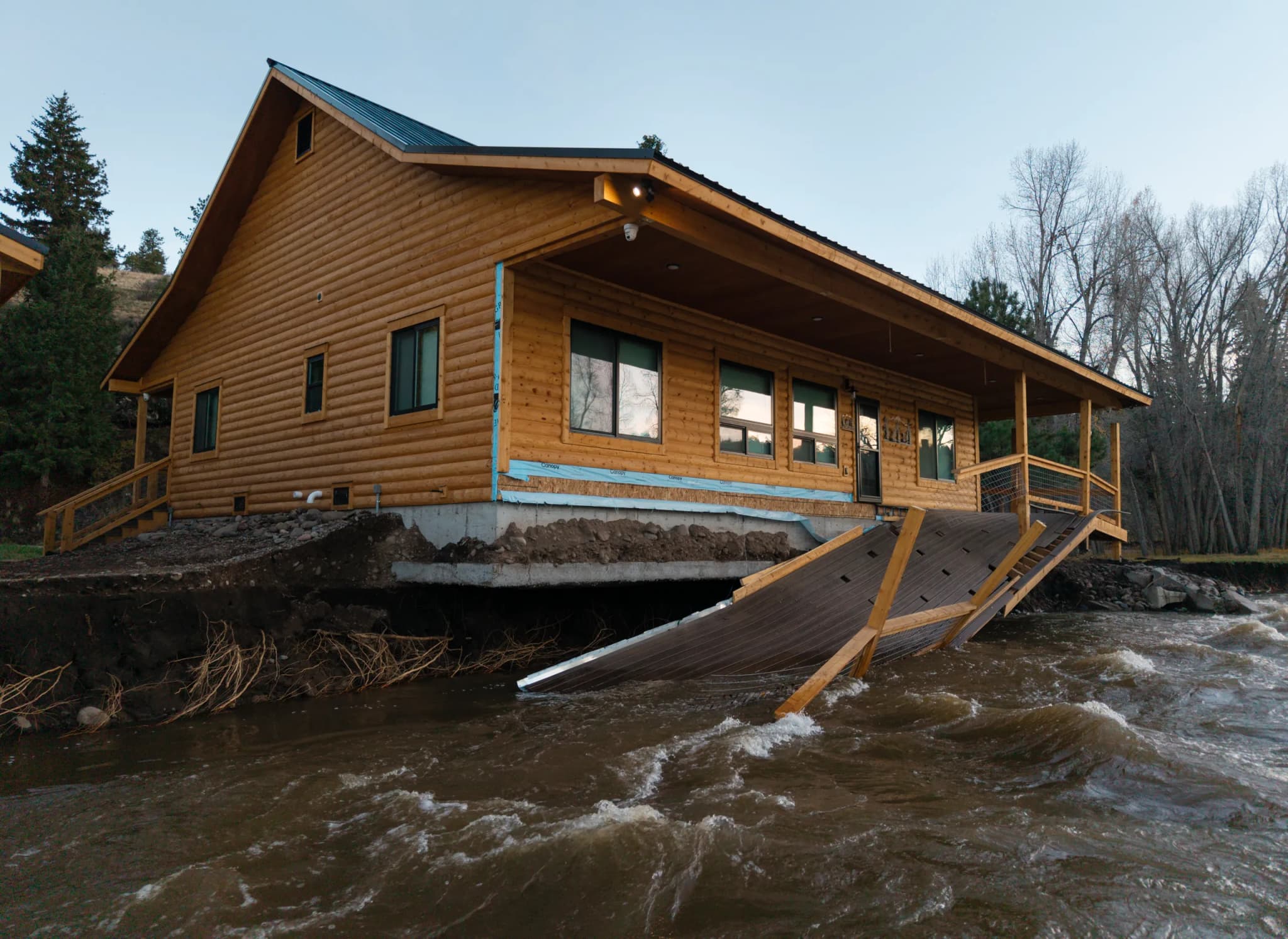
In the headwaters counties — Eagle, Grand, Gunnison, Pitkin, Routt, and Summit — the economic engine runs on a specific rhythm. Skiers need snow in January. Hikers need streams in July. Farmers need rain in May. This year, that rhythm broke. A record-low winter snowpack melted under a March heat wave, sending streamflows peaking at record-low levels before the summer tourist season even kicked off.
A new report from the Northwest Colorado Council of Governments Water Quality/Quantity Committee lays out the damage. It’s an update to a 2012 edition, but the authors didn’t need much prompting to write it. The dire conditions of this past year did that for them.
Kristin Green, the committee’s director, puts it plainly: “When reservoirs and streams are depleted, local communities suffer acute consequences, especially when peak flows and snowpack are out of sync with vacation and holiday seasons.”
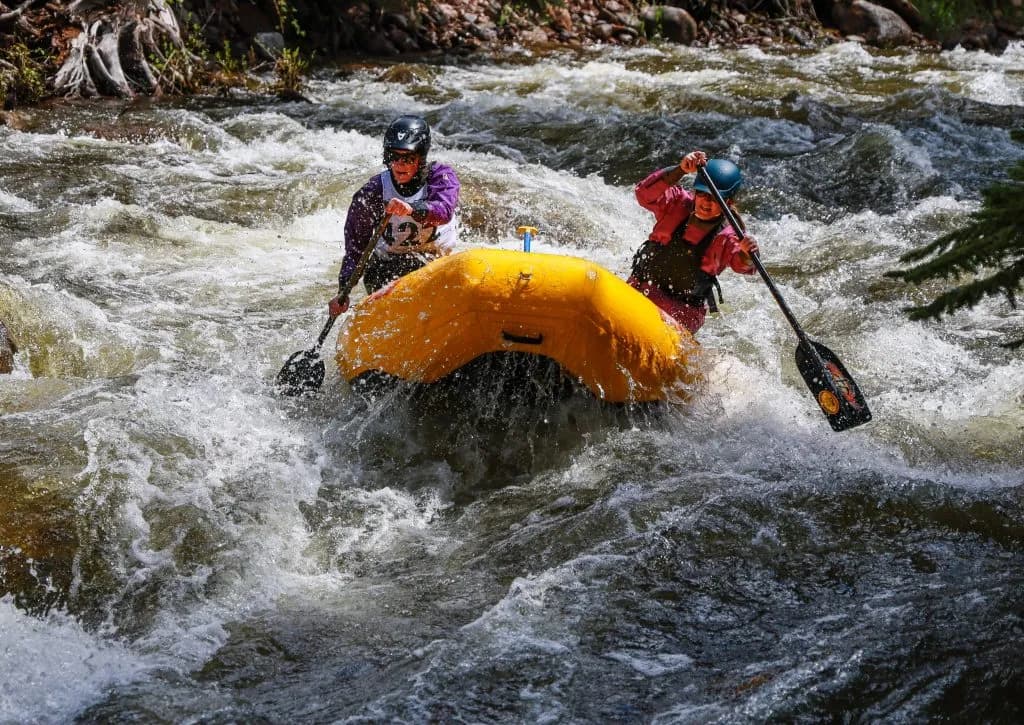
And that matters because the money follows the water. Not just for drinking, but for the entire outdoor recreation industry that defines our identity here. If the river is too low to float, or the lake is too warm to fish, the revenue dries up.
The report identifies a primary culprit: transmountain diversions. These are projects that physically move water from our mountains east to the Front Range, where population growth is exploding. There are 16 such projects currently operating in these six counties. More are in the works.
The math is stark. In an average year, these diversions can consume up to 62% of a subbasin’s flows. In a drought year? That number climbs to 80%.
Stand there long enough and you start to see the pattern. We are exporting our lifeblood to feed a growing metro area, while we sit here trying to keep the lights on and the trails open. The report notes that stakeholders worry about quantity, quality, timing, and temperature. All of these are tied to climate change aridification and the physical reality of moving water across a mountain range.
Green argues that we need to rethink how we operate. “A robust headwaters’ economy benefits all of Colorado and is impacted by water users across the state,” she said. “Moving forward, water operations should be leveraged to alleviate environmental degradation and maximize recreational flows in the headwaters counties.”
It’s a bold ask. It suggests that the water stored behind our dams shouldn’t just be a commodity to be sold or diverted, but a tool to keep the local economy alive.
The report covers six counties that serve as the source for major tributaries, including the Colorado River itself. That river originates in Grand County and delivers water to over 40 million downstream users. We are the tap. But when the tap runs dry, or flows only in March instead of August, who pays?
The answer is the local business owner. The farmer. The family trying to enjoy a weekend on the lake.
The report doesn’t offer easy fixes, but it offers clarity. The uncertainty is no longer a theoretical threat from a distant future; it’s the current reality of our streams and reservoirs. As the summer heat bakes the valley floor, the question isn’t whether we have enough water. It’s whether we’re keeping it here long enough to use it.
Keep up with Steamboat Springs
The day's Western Slope news, one email each morning. Free.