Palisade Peaches and Wine Drive Western Slope Economy
Palisade’s peach harvest and the Tour de Vineyards drive the Western Slope’s high-value agricultural economy, distinguishing the region from Colorado’s broader farming landscape.
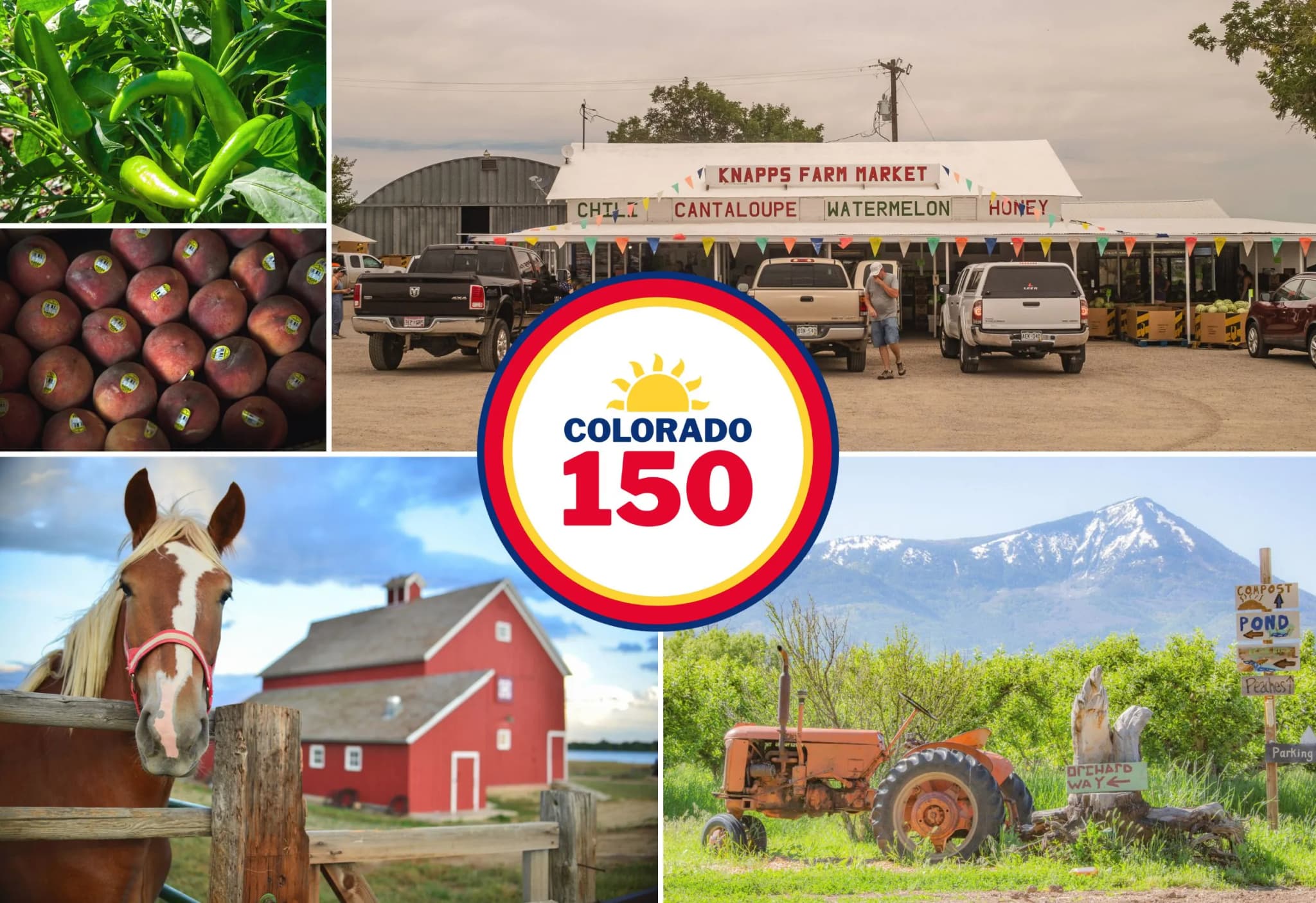
Palisade —Twelve. That’s the number of distinct agricultural operations highlighted in a new series celebrating Colorado’s 150th anniversary, but only two are anchored firmly on the Western Slope.
The rest are scattered across the state’s diverse geography, from the high alpine pastures to the arid plains. But for folks living in the Grand Valley, the local angle is specific: Palisade and the Book Cliffs. The state’s agricultural narrative isn’t just about cattle and corn; it’s about the specialized, high-value crops that thrive in the unique microclimates of the west slope.
Let’s look at the data. The article highlights "Tour de Vineyards" as a key economic driver. This isn’t a casual bike ride. It’s an annual event running for over 30 years, drawing cyclists through the wine country near the Book Cliffs. The infrastructure here is established. The wineries aren’t startups guessing at market fit; they’ve been operating in this climate for decades, leveraging the specific heat accumulation of the region.
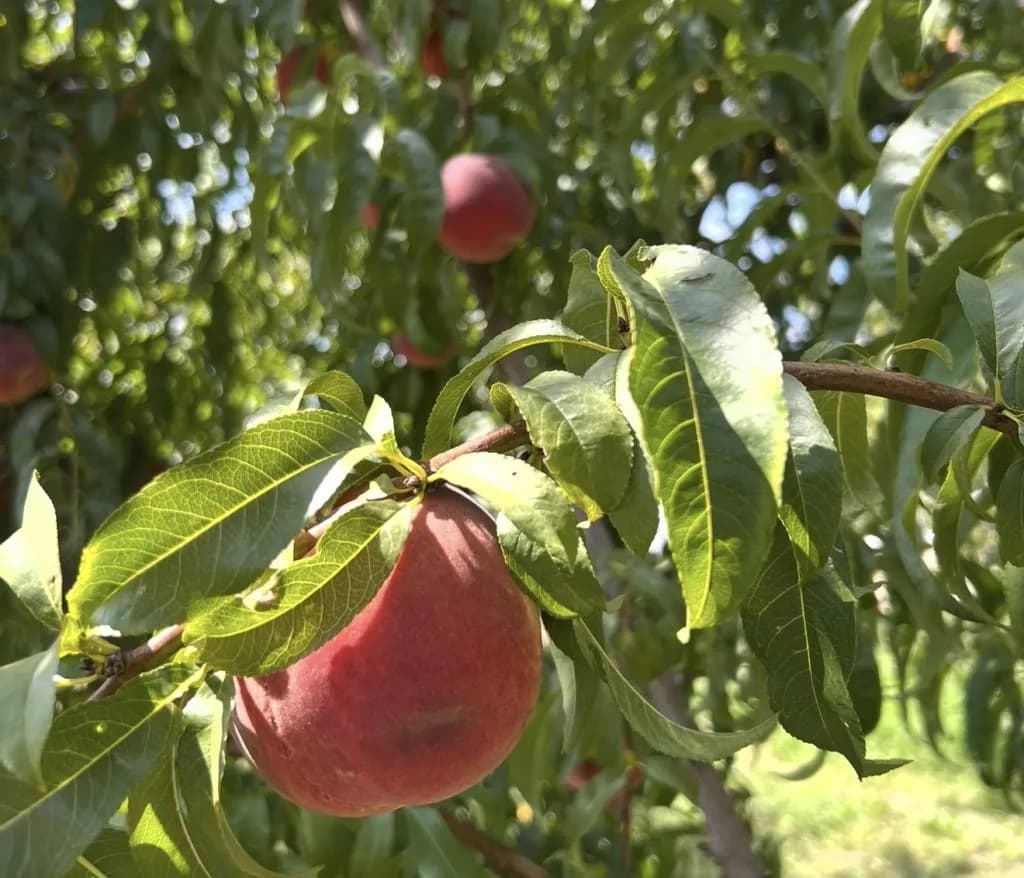
Then there’s Palisade. The town is known for its variety of farms, but the peach is the anchor. The Palisade Peach Festival happens every August. It’s a two-day event that turns the town’s infrastructure toward tourism and harvest. The article notes the fruit is used year-round in beer, canned jams, and jellies. A cobbler is mentioned, but that’s flavor text. The economic reality is that the peach is a cash crop that supports a broader ecosystem of processing and tourism.
The source material describes farmers as "agronomists, agrologists, agrometeorologists, economists, hydrologies, heavy machine operators, financial planners." That’s not poetic license. That’s the job description. A farmer in Delta County isn’t just planting seeds. They’re managing water rights, predicting weather patterns, operating machinery that costs more than a house, and balancing the books. They’re doing it in the flattest, driest corners of the state and the remotest mountainous country.
The article contrasts this with the outdoor sports crowd. Skiers and bikers are "overlanding — flying by." They pass through. Farmers stay. They’re up before dawn, rotating center pivots with a "wingspan of forever." The relationship is direct. Nothing grows without their attention. We don’t eat without them.
For context, the Western Slope’s agricultural output is not just about volume. It’s about value. The wine industry and the peach orchards represent a shift toward higher-margin crops that can withstand the local climate and command premium prices. The "Tour de Vineyards" supports this by creating a recurring revenue stream from tourism. The Palisade Peach Festival does the same, drawing visitors in August when the harvest peaks.
The article mentions 10 farms, ranches, and markets. Two are explicitly Western Slope. The rest are elsewhere. But the point is clear: Colorado’s agricultural character is defined by these specialized, high-effort operations. They aren’t bragging. They’re too busy.
The practical impact for locals is tangible. Property values in Palisade and the surrounding wine country are tied to the success of these crops. The infrastructure — roads, water systems, processing facilities, is built to support this specific type of agriculture. When the peach harvest fails or the wine market shifts, the whole town feels it.
The source doesn’t give a dollar amount for the economic impact of the Peach Festival or the Vineyards tour. It doesn’t list the exact acreage under cultivation. It just says these operations "help shape Colorado’s agricultural character."
That’s the bottom line. The Western Slope isn’t just a backdrop for skiing. It’s a working landscape. The farmers are the ones keeping it alive. They’re the ones paying the taxes, maintaining the roads, and feeding the state. The rest of us just ride through.
Keep up with Palisade
The day's Western Slope news, one email each morning. Free.