Paonia Mine Project Tackles Methane Leaks Head On
A group of entrepreneurs are working to reduce methane emissions from an abandoned mine in Paonia, Colorado, through a $1.4 million project to burn off the potent greenhouse gas.
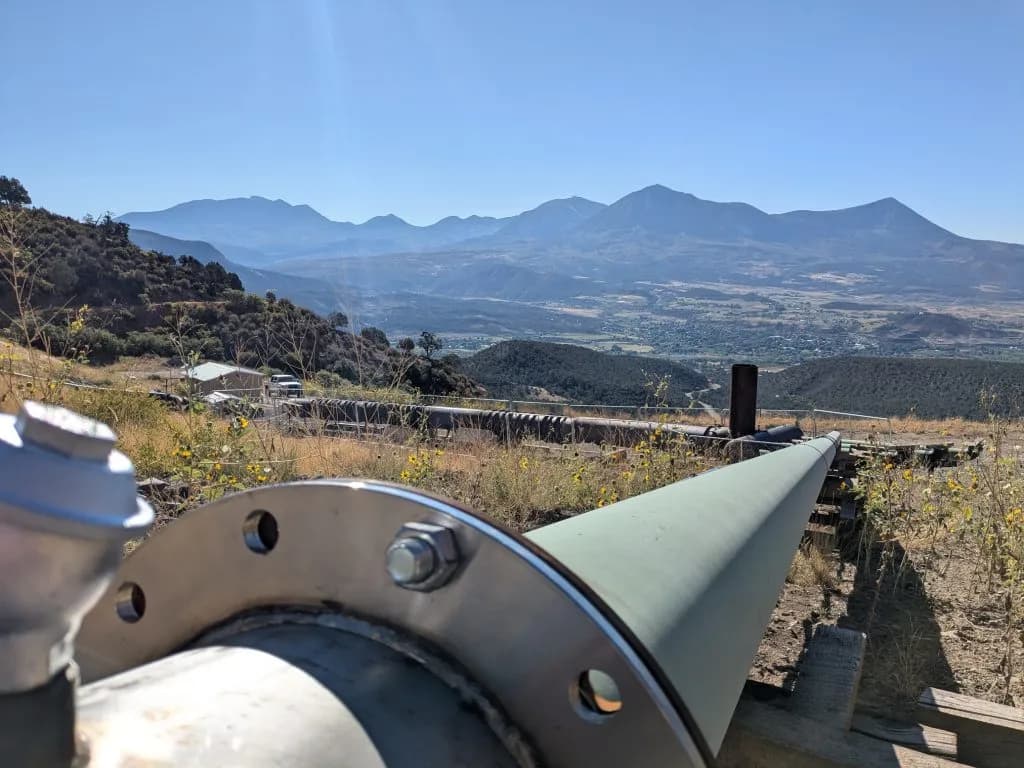
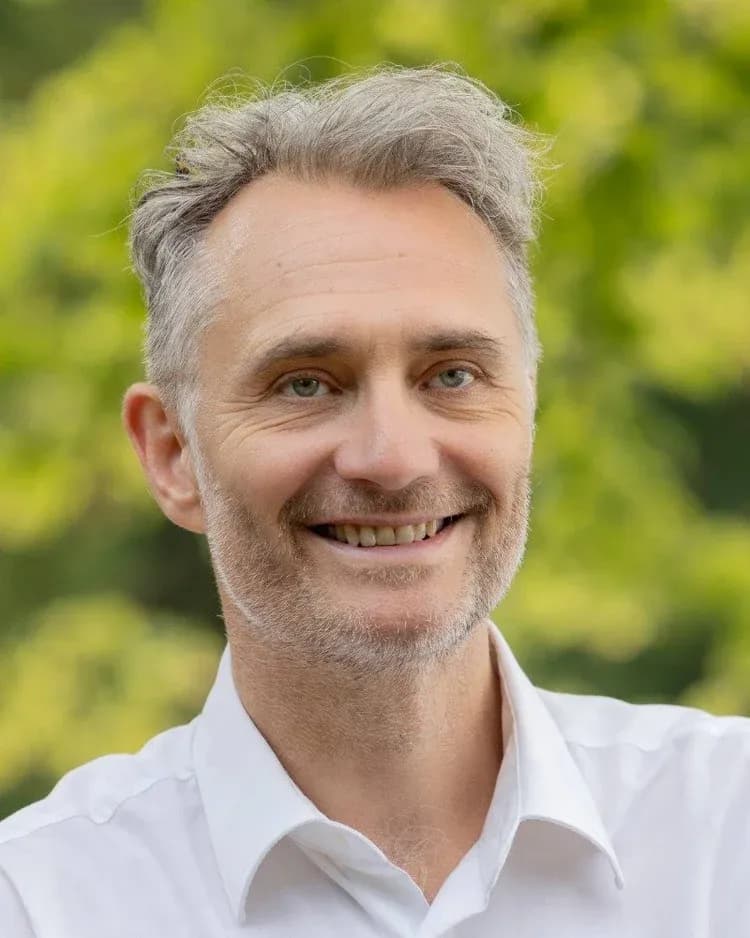
Aspen —Make no mistake — the real story here isn't the purchase of an abandoned mine in Paonia, but the staggering amount of methane leaking from it. Methane, a "super potent greenhouse gas" according to Auden Schendler, is roughly 84 times as intense as CO2. It's a problem that's not unique to this mine, or even to Colorado — it's a global issue. But what's worth watching is how a group of former Aspen One employees, including Schendler and Matt Jones, are tackling it head-on.
The short version: they're burning it off. The mine, purchased for $400,000, is the site of a $1.4 million project to drill into its center, seal gaps, and burn off the methane. It's a process that could take decades, but the payoff is significant, equivalent to taking several thousand cars off the road, according to Christopher Caskey, Founder of Delta Brick & Climate Company.
This isn't the first time Schendler and Jones have worked on a methane project. Their previous initiative, converting methane captured from the Elk Creek Mine into electricity, was a success. But this new project is different; instead of converting the methane to power, they're simply burning it off. The reason, Jones says, is the cost of acquiring equipment to convert captured methane to energy - up to $10 million.
Read that again: $10 million. That's what it would take to convert the methane to power, rather than simply destroying it through combustion. It's a staggering figure, and one that highlights the challenges of addressing climate change. But Schendler, Jones, and Caskey are undeterred. "If you want to address climate now, you're going to get the most leverage by starting with methane," Jones says. "We're starting here and we're shouting it from the rooftops. This works."
The community will be watching this project closely. not just because of its potential impact on the environment, but because of its potential to create jobs and stimulate local economic growth. Folks around here are no strangers to the challenges of living in a rural area, where opportunities can be scarce. But this project could have a significant impact on the local economy, bringing in new investment and creating opportunities for local businesses and workers.
It's also worth noting that this project isn't just about the environment, it's about the local economy. The $1.4 million invested in this project is a significant injection of cash into the local community. And while the project's focus is on reducing methane emissions, it's also creating opportunities for local businesses and workers.
The real question, though, is what's next. Will this project be a one-off, or will it be the start of something bigger? Can this model be replicated at other abandoned mines around the state? And what about the long-term implications; will destroying methane have unintended consequences, or will it be a net positive for the environment?
For now, the focus is on the Paonia mine project. But as Schendler says, "This is a very destructive gas and your first goal should be destroying it." The clock is ticking - and the community will be watching to see if this project can deliver on its promises.
In Paonia, the impact will be felt for years to come. the mine's methane leak is a significant contributor to greenhouse gas emissions in the area. By reducing these emissions through combustion, Schendler, Jones, and Caskey are taking a crucial step towards mitigating climate change. But the question remains, what about the other abandoned mines in Colorado, leaking methane into the atmosphere? Will this project inspire similar efforts, or will it remain an isolated endeavor? The community's attention will be fixed on the outcome.
Keep up with Aspen
The day's Western Slope news, one email each morning. Free.