Parachute Resident Ruiz Drives 100 MPH on I-70 with 508 Grams of Cocaine
Parachute resident Reymundo Ruiz was arrested after speeding at 100 mph on I-70 with 508 grams of cocaine. The Western Colorado Drug Task Force tracked the distribution network, leading to charges for Ruiz and his wife.
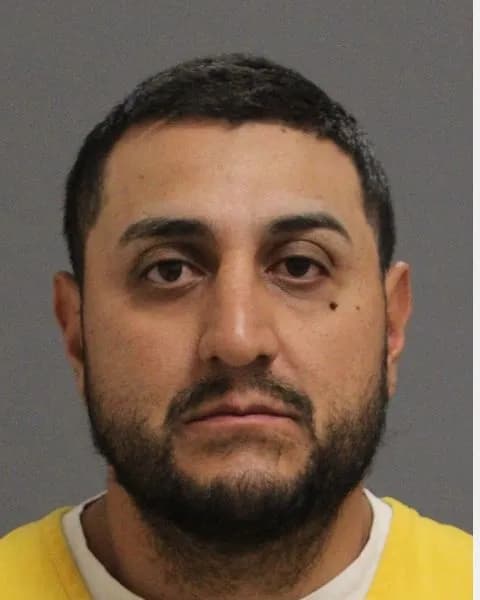
Grand Junction —Parachute’s Reymundo Ruiz didn’t just sell cocaine. He drove it home in a car speeding at 100 miles per hour on I-70, with his wife riding shotgun and a K9 unit waiting at the exit ramp.
The short version: Ruiz is now behind bars in the Mesa County Detention Facility. He’s paying a $500,000 bond. The charge is unlawful distribution of a controlled substance. The substance is cocaine. The amount is roughly 508 grams. That’s over a pound of the stuff.
Make no mistake, this isn’t a small-time pusher caught with a few grams in his pocket. This is a coordinated operation involving the Western Colorado Drug Task Force and the Colorado Bureau of Investigation. They tracked a "big order" from January 5. They listened. They watched. They waited.
The wiretap warrant identified Ruiz as an associate of Lester Miranda-Davis. Miranda-Davis was already in the system, linked to dealer Melvin Hunsberger, who got hit with drug charges in February. Now Miranda-Davis is also in the Detention Facility, also on a $500,000 bond. Two men. One network. One highway.
The affidavit paints a picture of a business that was running hot. On January 19, Ruiz and Miranda-Davis met in Silverthorne. They made a deal. They went their separate ways. Ruiz headed back toward the Western Slope. He didn’t drive like a man going home for dinner. He drove like a man moving product.
He was speeding. Repeatedly. An officer clocked him passing at 100 miles per hour in a 75-mph zone. A Colorado State Patrol trooper pulled him over shortly after. Ruiz was going 36 miles over the speed limit. When asked, Ruiz claimed he didn’t think he was going fast. He had valid insurance. He didn’t have a license because it was revoked.
Then the Eagle County K9 unit arrived. The dog indicated drugs in the vehicle.
Officers searched the car. They found the suspected cocaine. They set it on the roof of the car. Dash-cam audio captured the moment. Ruiz could be heard saying, “Well, there it is. I know. We shouldn’t have done that for a favor, man.”
That’s the sound of a guy realizing the jig is up.
His wife, Krystal Schell, was in the passenger seat. Authorities identified her as a passenger during the surveillance. She’s now arrested. She’s also in Mesa County. She’s also on a $500,000 bond. She’s facing drug charges. The couple was detained together. The car was searched together. The money was seized together.
The 508 grams of cocaine were booked into evidence at the Grand Junction Police Department. That’s a significant haul for a single traffic stop on a major interstate artery. It’s enough to suggest a distribution network, not just personal use.
What’s interesting here is the timing. The wiretap started in early January. The arrest happened in early May. That’s four months of surveillance. Four months of listening to Ruiz and Miranda-Davis coordinate. Four months of watching them move product across the county line.
Read that again. Four months.
The affidavit notes that Miranda-Davis initiated discussions about product, confirming an ongoing supplier-customer relationship. This wasn’t a random encounter. This was a transaction. A business deal. Executed on U.S. Interstate 70, the backbone of Western Slope transportation.
Ruiz is 37. He’s a Parachute resident. He’s now sitting in the Detention Facility while his wife sits in the same facility. They’re both waiting for the courts to decide what happens next. The bond is set. The charges are filed. The evidence is recorded.
The big question isn’t whether they did it. The affidavit says they did. The question is what happens to the rest of the network. Hunsberger was arrested in February. Miranda-Davis followed. Ruiz and Schell are in now. How many more are out there?
The Western Slope is a long, thin strip of land. Drugs move through it every day. Sometimes they move in silence. Sometimes they move at 100 miles per hour. This time, they moved loud enough for a trooper to clock them. And loud enough for a dog to find them.
The 508 grams are in a box. The Ruizs are in cells. The wiretaps are in a file. The story is over, unless the task force decides to keep listening.
Keep up with Grand Junction
The day's Western Slope news, one email each morning. Free.
Grand Junction Rotary Delivers $14,000 in School Supplies to District 51

Aspen Giving Network Distributes $887K to 34 Nonprofits