Pitkin County Pursues Maroon Bells Management Shift as $300K Shortfall Forces Fee Hikes
Pitkin County commissioners vote to pursue a special use permit for Maroon Bells operations to address a $300,000 annual deficit, signaling inevitable fee increases for visitors starting in 2027.
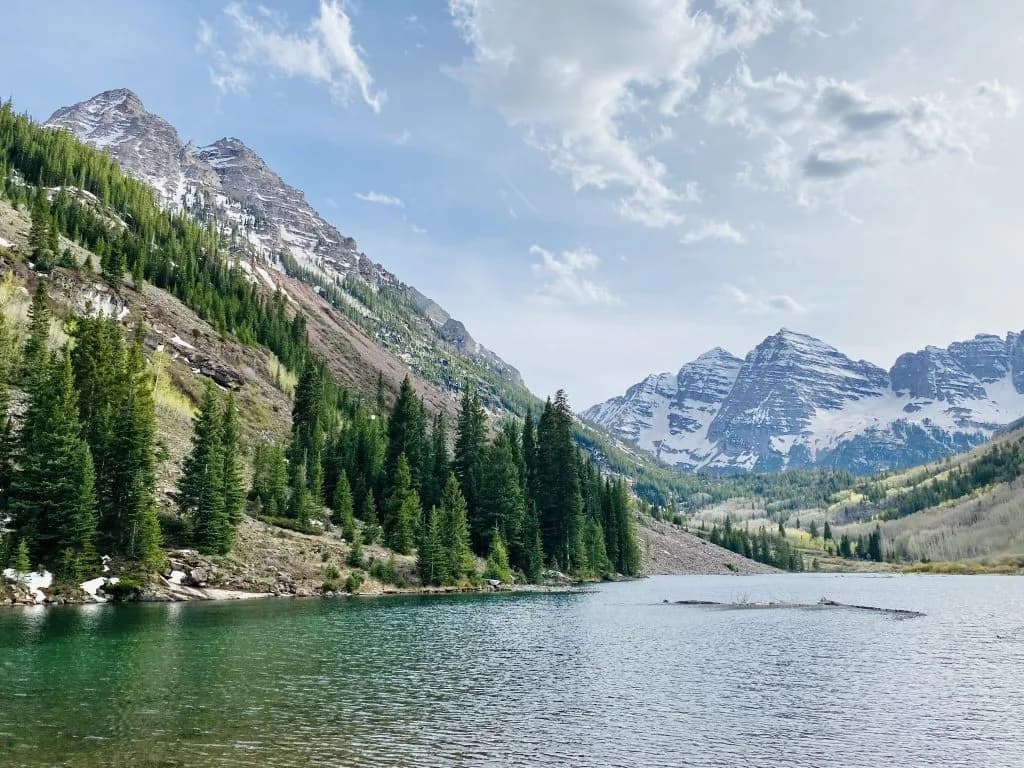
Gunnison —Who pays when the U.S. Forest Service stops subsidizing the Maroon Bells?
That’s the question hanging over Pitkin County as commissioners voted Tuesday to pursue a special use permit that would hand local officials the keys to the scenic area’s operations starting in the 2027 summer season. The alternative isn’t free management. It’s higher fees and a private concessionaire taking the wheel.
The math is simple, even if the bureaucracy isn’t. The White River National Forest is running in the red. Forest Supervisor Brian Glaspell told commissioners the current model is “not sustainable.” The gap between what it costs to run the site and what it brings in sits at roughly $300,000 a year. New fees for e-bikes and no-shows won’t close that hole.
Kendra Head, the developed and dispersed campground recreation manager for the Aspen-Sopris Ranger District, laid out the bottleneck. Federal law makes it a headache to change fees. It’s also been a nightmare to hire staff for years.
“It’s easier for you all to increase prices than it is for us,” Head said.
If Pitkin County takes the special use permit, they manage the day-to-day. They handle staffing, toilets, and water systems. The agency keeps ownership and manages the surrounding national forest. The permit runs for five years, renewable for another five. The county pays for deferred maintenance in lieu of a direct permit fee.
If the county says no, the federal government looks for a private concessionaire. Fees still go up. That’s the guarantee.
“There’s going to be an increase in fees no matter what,” said Gary Tennenbaum, Pitkin County Open Space and Trails director. “Next year, what we’re going to propose is a fee structure, so fees are going to go up. I don’t know how much and I don’t know where, (but) they have to go up.”
Let’s look at the timeline. The partnership between the county and the Forest Service turns 50 in 2027. This shift is meant to stabilize operations before that milestone, not after. The county isn’t buying the land. They’re buying the operational headache.
For locals and visitors, the immediate impact is a fee hike. Tennenbaum admitted he doesn’t know the exact numbers yet. He doesn’t know where the increases will land. But he knows they’re coming. The goal is revenue neutrality. The bureau can’t subsidize the scenic area forever, and the county is stepping in to fill the gap.
The special use permit allows the county to maintain existing infrastructure without paying a cash fee to the federal government. That’s a trade-off. You take on the maintenance burden; you get control over pricing and staffing. It’s a classic local government move: absorb the cost to control the revenue stream.
The alternative is a private company doing the same thing, likely with less local oversight and the same fee pressures. The Forest Service isn’t exiting the picture entirely. They’re just stepping back from the daily grind.
The decision to pursue the permit doesn’t mean the deal is signed. It means the county is officially in the driver’s seat for negotiations. The 2027 start date gives officials time to figure out the fee structure. It also gives the community time to brace for the price of admission to one of Colorado’s most visited spots.
The bottom line is this: the $300,000 annual shortfall has to be covered. Whether it’s covered by county staff or a private contractor, you’re paying for it. The only variable is who sets the price and who deals with the staffing shortages.
Keep up with Gunnison
The day's Western Slope news, one email each morning. Free.