Pitkin County Seeks $400K Supplemental for El Jebel Dispatch Center
Locals ask what happens to 911 calls as Pitkin County moves its dispatch center to El Jebel. The project seeks a $400,000 supplemental to cover inflationary pressures and infrastructure costs.
Gunnison —What happens to the 911 calls coming out of El Jebel when the walls go up?
That’s the question locals are asking as the Pitkin County Regional Dispatch Center shifts from pouring concrete to installing nerves. The project, which aims to replace the cramped Aspen Fire Station 62 location with a modern hub inside Roaring Fork Fire Rescue’s Station 42, is moving into its second phase. And while the physical structure is taking shape, the budget is starting to show some strain.
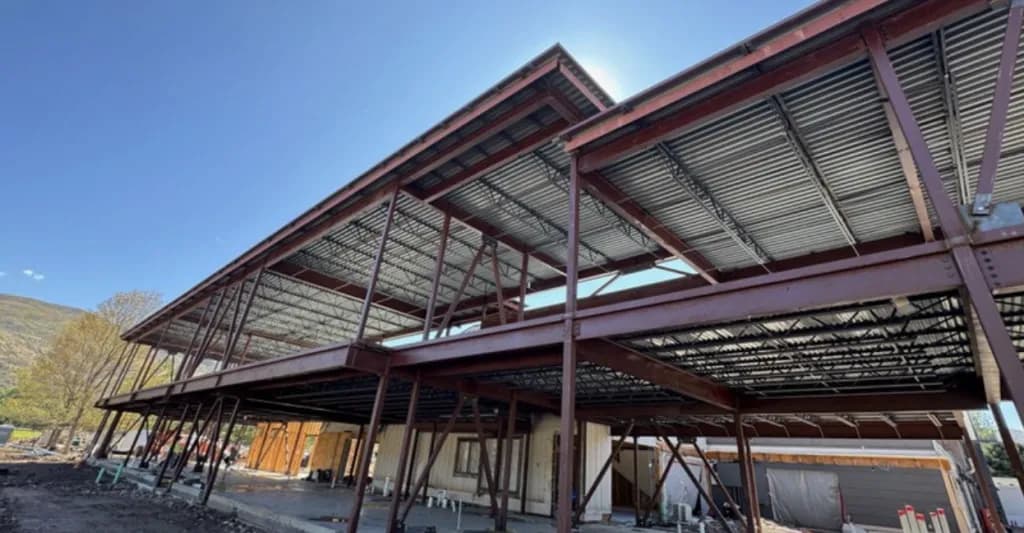
Picture the site on a Tuesday afternoon. The steel skeleton of the new dispatch floor is already visible, wrapped in siding that blends into the industrial aesthetic of Station 42. Construction crews have laid the foundation, raised the roof, and strung up the utility lines that will eventually carry the weight of thousands of emergency calls. It looks like progress. It feels like progress. But progress, in government contracting, has a price tag that keeps climbing.
Jeff Krueger, the project manager for the center, told commissioners that the design isn’t just about square footage. It’s about human endurance.
“Dispatch operator is considered probably one of the most stressful jobs there is, making human design a key factor,” Krueger said. He pointed out that the current setup lacks basic office space for staff, a luxury the new 4,000-square-foot floor will provide. The plan includes eight dispatch consoles — double the current four — and a dedicated decompression room. That’s a quiet place for operators to reset after a high-cadence shift. It’s a small detail, but it matters when you’re trying to keep people sharp enough to triage a heart attack or a house fire.
The county agreed to this renovation in 2025, setting aside $5 million initially. That number jumped to $8.5 million this year to account for an “expanded footprint” and what county documents call “inflationary pressures.” The work started in August 2025, and Phase One is wrapping up. Phase Two, currently underway, focuses on the guts of the building: HVAC, insulation, drywall. It’s set to finish in October.
Here’s the thing though. The final phase, installing the computer systems, server rooms, and communications infrastructure; is where the budget might break. County staff is asking commissioners for a $400,000 supplemental request to cover potential overages. They’re not saying the project is doomed; they’re saying it’s expensive. And they’re asking for permission to spend it before the June meeting.
The location itself is a compromise. Roaring Fork Fire Rescue offered space in their remodeled El Jebel-based Station 42, a move that centralizes operations away from the busy Aspen corridor. The new center will sit on the second floor, a vertical slice of the building dedicated entirely to the people who answer when you dial 9-1-1.
It’s a significant upgrade from the current setup, but it’s not without its growing pains. The $400,000 ask is a reminder that even in a county with deep pockets, inflation doesn’t take a vacation. The steel is up. The roof is on. Now they just need to wire it all together and hope the check clears.
Outside Station 42, the wind picks up off the Roaring Fork River, rattling the temporary fencing around the construction zone. Inside, the drywall is being hung, hiding the pipes and wires that will soon become the lifeline for the valley. It’s quiet now, but soon it will be loud with the hum of servers and the murmur of dispatchers taking calls.
Keep up with Gunnison
The day's Western Slope news, one email each morning. Free.