Pitkin County Takes Over Maroon Bells Operations in 2027
Pitkin County will assume full operational control of the Maroon Bells Scenic Area starting in 2027, ending decades of shared federal management and allowing direct entry fee collection to address significant deferred maintenance and staffing shortages.
Gunnison —Sam Massman, the Recreation Program Manager for the White River National Forest, called the decision to hand over operations to Pitkin County a "typical choice" for federal land managers dealing with complex, developed sites. He wasn’t wrong. But calling it typical does little to explain why it took 50 years for the scenic area to get a new operator.
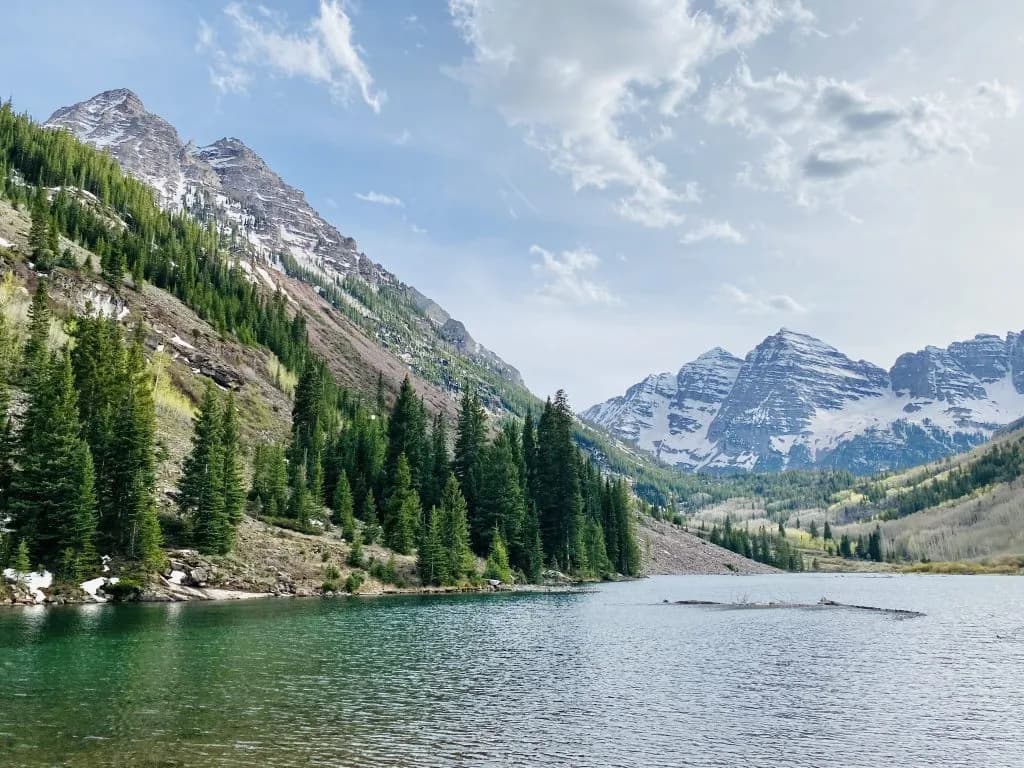
The Maroon Bells Scenic Area is a 3,000-acre patch of federal land that serves as the gateway to Maroon Lake and the surrounding alpine trails. For decades, the U.S. Forest Service has owned the land, but the actual day-to-day grind — paving roads, fixing restrooms, managing traffic jams — has been a shared headache. Since 1977, Pitkin County, the Forest Service, and the Roaring Fork Transportation Authority have collaborated on access. Now, that collaboration is evolving into a formal takeover.
Beginning in 2027, Pitkin County will assume full operational control. This shift follows a unanimous vote by the Board of County Commissioners to authorize a special use permit from the Forest Service. Crucially, this permit allows the county to create an enterprise fund. In plain English, this means the county can now raise entry fees directly to offset costs. Under the previous framework, governed by the Federal Lands Recreation Enhancement Act, the Forest Service struggled to adjust fees quickly enough to keep pace with rising maintenance bills.
Let’s do the math on why this change was necessary. According to a staff report presented to the board, the Scenic Area welcomed approximately 206,000 visitors between May and October of 2025. That is a massive volume of traffic for a remote mountain location. The area includes Maroon Lake, extensive parking facilities, Maroon Creek Road, and numerous trailheads. All of this infrastructure requires constant upkeep.
Gary Tennenbaum, Pitkin County’s Open Space and Trails director, highlighted the staffing crisis that plagued the site for two decades. "You’re trying to support over 2,000 people who come up there," Tennenbaum told The Aspen Times. "You just need a certain amount of people to be able to manage… We just don’t have enough." He noted that funding for the Forest Service, and by extension the Bells, had not kept up with inflation for twenty years. The result was significant deferred maintenance, a fancy term for broken things that got worse because nobody had the money to fix them immediately.
The primary goal of the new enterprise fund is to address these critical priorities: ensuring a high-quality visitor experience, protecting habitat health, maintaining adequate staffing, and improving infrastructure. Kendra Head, the developed and dispersed campground recreation manager for the Aspen-Sopris Ranger District, expressed relief at the transition. "It’s hard to go up there and want to make the Maroon Bells the most amazing place that somebody can visit and we are just not capable of doing that," Head said. "I’m in full support of you all helping in that endeavor."
For locals, the practical bottom line is simple: the scenic area will likely become more expensive to visit, but the experience should improve. The county expects to use the increased revenue to hire more staff and pay down the backlog of repairs that have accumulated over the last twenty years. The Forest Service retains ownership, but the burden of keeping the lights on and the toilets flushed now falls squarely on Pitkin County’s shoulders.
Keep up with Gunnison
The day's Western Slope news, one email each morning. Free.

$2.6M Grant Fixes Pitkin County’s Deadly Highway 82 Intersection

Aspen and Pitkin County Pool Funds for September Harm Reduction Push