Pitkin County Transfers $34M Snowmass Falls Ranch to Forest Service
Pitkin County commissioners approved the $34 million transfer of Snowmass Falls Ranch to the U.S. Forest Service, adding 530 acres to the Maroon Bells-Snowmass Wilderness.
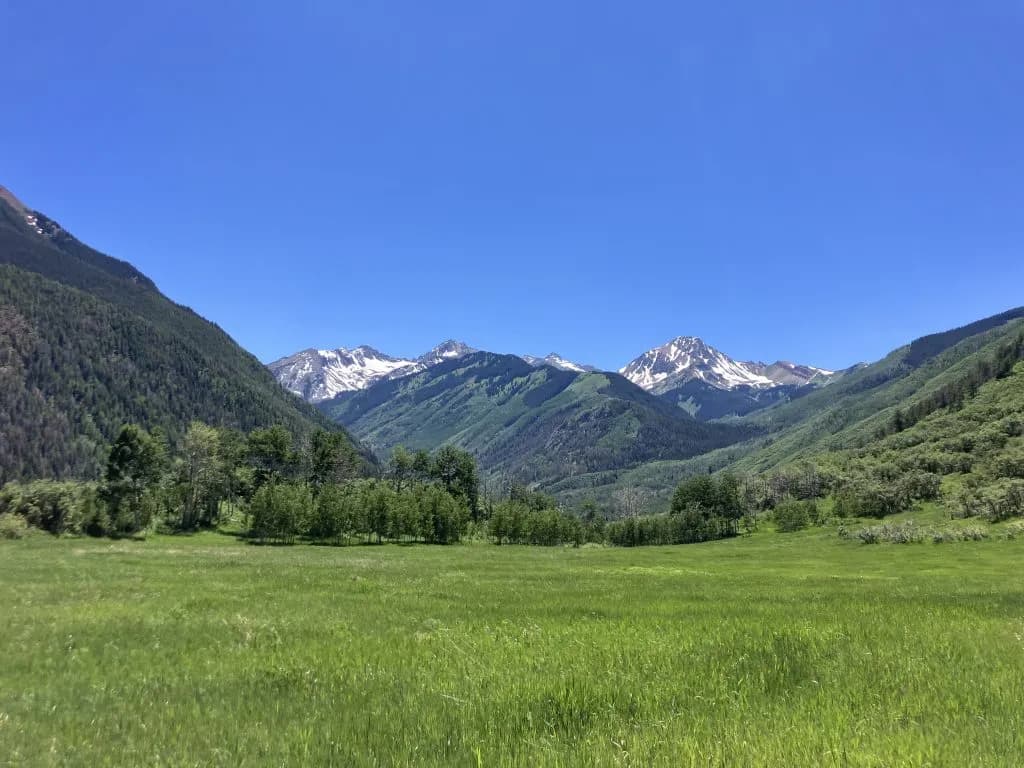
Aspen —The wind off the Maroon Bells cuts through the high alpine air, carrying the scent of dry pine and cold rock. On a Wednesday morning in Pitkin County, the sound of that wind was the backdrop to a quiet but consequential vote. The Pitkin County Board of County Commissioners approved the sale of Snowmass Falls Ranch on second reading, officially handing the keys to the U.S. Forest Service.
The price tag is $34 million. That is exactly what Pitkin County, in partnership with the Wilderness Land Trust, paid for the property back in 2024. There is no markup, no profit margin, and no speculative gain. The Forest Service secured the funds using Land and Water Conservation dollars with assistance from the Wilderness Land Trust. For context, this is a zero-dollar transfer of ownership in terms of net cost to the county’s general fund.
The impact on the landscape is immediate and significant. Of the 650-acre property, 530 acres will be incorporated into the Maroon Bells–Snowmass Wilderness Area. That is the largest addition to that specific wilderness designation since 1983.
Gary Tennenbaum, the Pitkin County Open Space and Trails director, called it a "huge deal." He noted that he never expected to see such a large increase to the wilderness since its inception. Dale Will, the Acquisition and Special Projects Director for Open Space and Trails, shared that sentiment, stating he had never had a chance to bring anything like this forward. Kelly Conde, Senior Lands Specialist for the Wilderness Land Trust, labeled it a "legacy project."
However, the room was not silent with only praise. Public comment on Wednesday highlighted a deep anxiety about federal land management under the current administration. Susan Sullivan, a Pitkin County retiree, asked what prevents the land from becoming a "presidential palace" once it leaves local care. She noted that the president loves Aspen. Commissioner Greg Poschman acknowledged the sentiment, citing an "unprecedented amount of fear and lack of trust in the federal government right now."
Let’s do the math on that fear. The Wilderness Act of 1964 is not a suggestion box for executive orders. Margosia Jadkowski, Director of Marketing & Communications for the Wilderness Land Trust, clarified that wilderness designation cannot be altered without an act of Congress. She pointed out that Congress has never voted to remove designated wilderness from protection because the coalition of support is too broad. While headlines about shrinking national monuments or rollbacks in other areas create noise, the legal shield for this specific 530-acre parcel is legislative, not executive.
On paper, the property is now federal land. In practice, it remains protected wilderness until Congress votes to change that status. The transfer ensures the land is managed by the agency with the most experience in high-elevation conservation, but it also moves the decision-making power from local commissioners to federal land managers.
For locals, this means 530 acres of the Maroon Bells–Snowmass Wilderness are now legally locked in. It also means that any future development or management changes on that land require a vote in Washington, D.C., not just a signature in Aspen. The $34 million is spent, the deed is signed, and the next 530 acres of wilderness are safe from executive whim.
Keep up with Aspen
The day's Western Slope news, one email each morning. Free.