Pitkin County Weighs $14 Million Phillips Mobile Home Park Expansion
A proposed $14 million development project in Pitkin County's Phillips Mobile Home Park aims to increase affordable housing units, but raises concerns about density, infrastructure, and environmental impact.
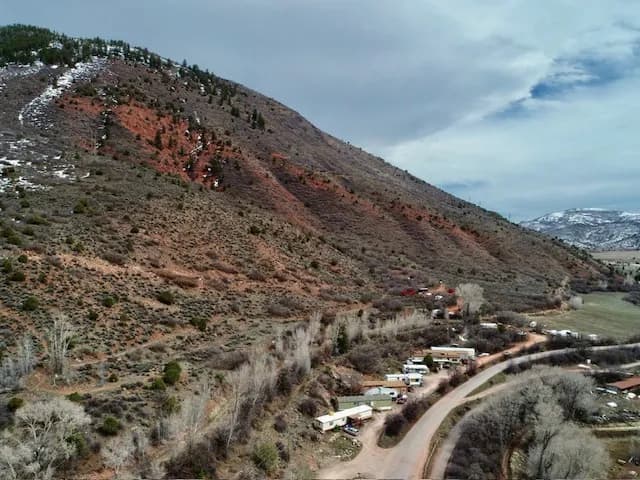
Gunnison —On a crisp morning in Pitkin County, the sound of the Roaring Fork River provides a serene backdrop to the bustling activity on Lower River Road. The Phillips Mobile Home Park, situated along this road, is at the center of a proposed development that has sparked intense discussion among local authorities and residents. A $14 million project, aiming to increase the available housing units from 41 to around 78, is currently under review by the Pitkin County Planning and Zoning Commission.
For context, the current proposal would effectively double the number of units on the property, which is a significant increase in density. Let's do the math: if the project moves forward, the county would need to invest in substantial upgrades to the water and waste infrastructure to accommodate the additional units. On paper, this might seem like a straightforward solution to provide more affordable housing options, but in practice, the potential strain on local resources and environmental impact on the surrounding area become major issues.
Kevin Warner, Pitkin County's construction and assets director, presented the plan overview, highlighting the importance of providing affordable housing opportunities for residents. However, the proposal's conformance with the applicable Master Plans has become a point of contention. The Phillips Mobile Home Park falls under the scope of two Master Plans: the Down Valley Comprehensive Plan and the Master Plan that governs the Woody Creek area. While the proposal may align with the Down Valley Comprehensive Plan, it appears to be at odds with the other plan, which explicitly prohibits substantial increases in density.
The proposal's potential impact on the local community is a key consideration. The community must weigh the benefits of increased affordable housing against the potential costs and environmental impacts. For folks around here, the decision will have a direct impact on their daily lives, from commute times to property values. The commission's decision will be closely watched, and the discussion will continue in the coming weeks and months. The decision to approve or reject the proposed development will have far-reaching consequences, and all stakeholders must be aware of the potential costs and benefits. This project will cost taxpayers $14 million, a figure that's equivalent to the annual budget for road maintenance in nearby Delta County.
As the Pitkin County Planning and Zoning Commission continues to review the proposed development, the potential consequences of such a project are being evaluated. Nicole Rebeck-Stout, deputy director of Community Development for Pitkin County, acknowledged the discrepancy between the two Master Plans but pointed out that the proposal is in conformance with the Downvalley Comprehensive Plan. Comments provided by the Woody Creek Caucus stressed that the proposed development does not appear to be in conformance with their Master Plan, stating that the proposal goes well beyond infrastructure modernization and would establish the physical capacity for a substantial increase in density, violating the plan's clear prohibition. The potential environmental impact of the project, including the strain on local water resources and the potential for increased traffic, must be carefully evaluated. The community's input and the commission's decision will ultimately determine the project's fate.
Keep up with Gunnison
The day's Western Slope news, one email each morning. Free.