Polis Likely to Veto Labor Bill Again
Governor Jared Polis is expected to veto a labor bill for the second year in a row, impacting workers on the Western Slope and potentially affecting their ability to unionize and improve working conditions.
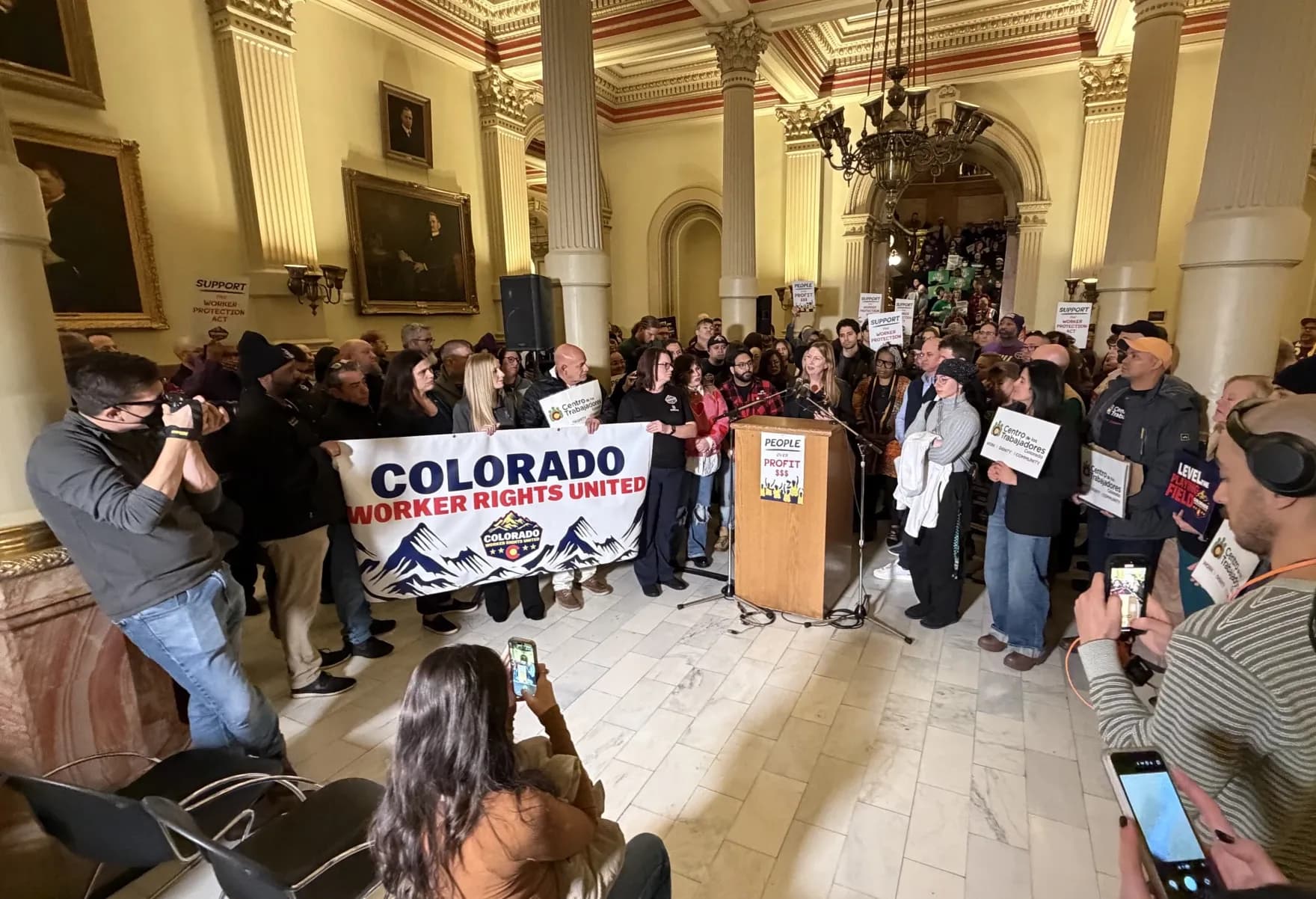
Colorado —What's the likelihood that Gov. Jared Polis will veto the labor bill for the second year in a row, and how will that impact workers on the Western Slope? The sun rises over the Colorado State Capitol building, casting a golden glow over the bustling streets of downtown Denver. Inside, lawmakers have just passed House Bill 1005, a pro-union measure that aims to make it easier for people to unionize.
Here's the thing though: this bill has been down this road before. Last year, Polis vetoed an identical measure, citing the need for a "durable and lasting agreement" between labor and business. This year, despite widespread support from his own party, the governor's office is indicating that he will veto the bill again. "This legislation has not significantly changed since being reintroduced, and is identical to what the governor vetoed last year," says Eric Maruyama, spokesperson for the governor.
The bill, dubbed the Worker Protection Act by supporters, would repeal an 80-year-old rule that requires workers to hold a second election before their union can operate. This rule, unique to Colorado, mandates that a three-quarters majority of a company's workers must sign off on unionization before negotiations can begin. Supporters argue that this rule weakens unions' bargaining power and gives employers too much time to delay negotiations and pressure workers. State Sen. Jessie Danielson, D-Wheat Ridge, sponsor of the bill, notes that "in Colorado, we have a very unique barrier that was designed to prevent people from joining unions."
As the bill heads to Polis' desk, it's likely to face a veto, despite the fact that it was approved by lawmakers along party lines. The Colorado Chamber of Commerce and other business groups oppose the measure, citing concerns about the impact on businesses. But for folks in rural areas, the stakes are high. Unionization can mean better wages, benefits, and working conditions - all of which are critical for people living in areas like Grand Junction, where jobs may be scarce.
Picture this: a worker at a manufacturing plant in Grand Junction, struggling to make ends meet on a low wage. If this bill becomes law, that worker may have an easier time organizing with their colleagues to demand better pay and benefits. But if it's vetoed, they may be stuck in a cycle of poverty, with limited options for improving their situation. And that matters because the Western Slope is already facing significant economic challenges, from declining industries to limited job opportunities.
Not exactly what you'd call a straightforward issue, though. Polis has urged lawmakers and union advocates to compromise with business leaders on the policy, but so far, no agreement has been reached. The governor's office says that he needs to see a "durable and lasting agreement" between labor and business before he'll sign the bill into law. But with Polis in his final year in office, sponsors of the bill are already looking ahead to the next governor, wondering if they might find a more sympathetic ear.
The bill's sponsors plan to look ahead to the next governor if the bill is vetoed, which could potentially lead to a different outcome. For now, though, the fate of House Bill 1005 hangs in the balance, as people wait to see what the future holds. The Colorado State Capitol building stands tall, a symbol of the state's democratic process, as the sun sets over the Rocky Mountains.
Keep up with Colorado
The day's Western Slope news, one email each morning. Free.

Federal Report Sets 200,000 Acre-Foot Water Conservation Target for Upper Basin
Colorado Parks and Wildlife Deploys Precision Drones for Weed Control