Polis Orders $600M Medicaid Cut Despite New Tax
Gov. Jared Polis urged lawmakers to cut $600 million from Medicaid despite new Amendment 87 tax revenue, warning that unchecked costs will bankrupt other programs within three years.
The money from Amendment 87 is already gone. Not spent, not cut, just gone.
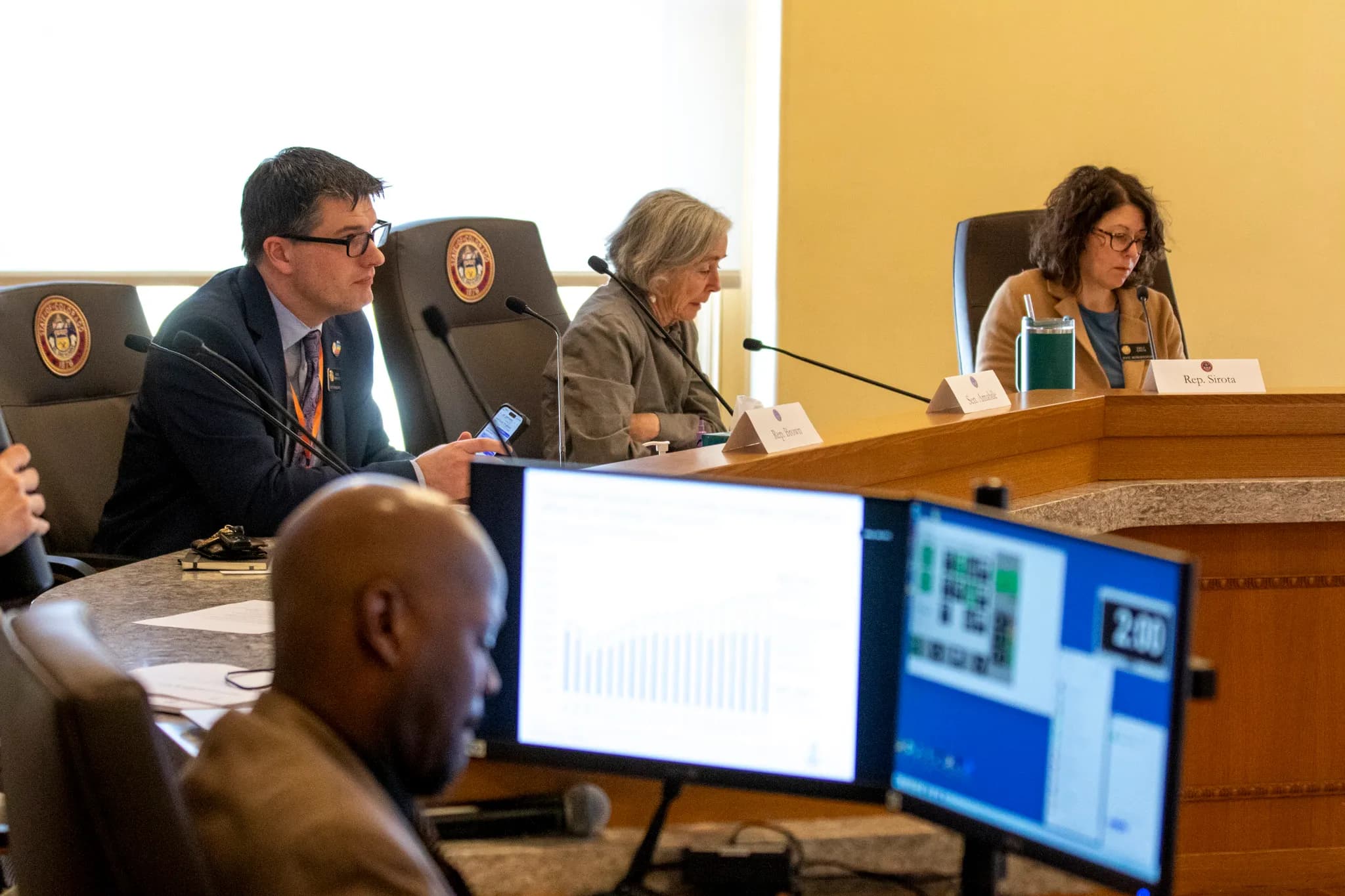
Gov. Jared Polis told the Joint Budget Committee (JBC) on Thursday to cut Medicaid anyway.
He didn’t ask for a trim. He asked for the axe.
With voters approving the graduated income tax measure, Colorado no longer faces the $1.6 billion in cuts needed to balance the state budget. The new tax is expected to generate $2 billion next fiscal year. That cash flow spares the state’s Medicaid program from a proposed $600 million reduction in low-income healthcare services.
Most people thought the vote was a victory for keeping services intact. Polis disagrees. He wants those cuts back on the table.
“You’re gonna have a lot of lobbyists telling you not to,” Polis said in his annual presentation to the budget panel.
He warned that if Medicaid costs grow unabated, lawmakers risk letting down the voters who passed the measure. The logic is simple but brutal. In three years, if the state doesn’t rein in Medicaid spending, all of the Amendment 87 money goes to that one program.
“Zero for education, zero for actually making people healthier, zero for early childhood,” Polis said. “Just within three years, it all goes to Medicaid.”
Polis opposed Amendment 87. He isn’t alone in that worry. Chris deGruy Kennedy, president of the Bell Policy Center and co-chair of the progressive campaign supporting the measure, told The Colorado Sun that no one wants to use the new revenue just to backfill existing cost growth.
“There’s a pretty broad consensus about that,” deGruy Kennedy said.
He suggested the legislature set aside the bulk of the proceeds in a reserve fund. That would allow interim committees to work with stakeholders on ambitious plans to transform how the state provides services like childcare. He wants a fundamental shift in how people experience life in Colorado, not just more money pumped into existing programs.
The tax hits households and businesses with annual taxable income over $500,000. It starts in the 2027 tax year. The first six months of revenue — over $900 million — can be spent on healthcare, public schools, and childcare in the current budget. The remaining $2 billion hits next fiscal year.
The problem is velocity. Medicaid costs have accelerated rapidly in recent years. The new tax revenue isn’t a permanent fix; it’s a bridge. And that bridge is collapsing under the weight of current spending trends.
Polis’ remarks sought to reframe the debate. He isn’t arguing against healthcare funding. He’s arguing that the current trajectory makes the new tax revenue meaningless for everything else. If you don’t cut Medicaid now, you can’t fund anything later.
The JBC has to decide if they trust the lobbyists or the governor’s math. They have to pick a path. Stop the cuts, and you starve education and childcare in three years. Make the cuts, and you cut low-income healthcare today.
There is no third option in the budget math. The voters gave the state $2 billion to solve a problem the state created by letting costs run wild. Polis is telling them they can’t have their cake and eat it too.
The JBC meets next week to draft the budget. They will have to choose which promise they break first.
Keep up with the Western Slope
The day's Western Slope news, one email each morning. Free.