Crystal River Protection Split Over Federal Designation
Five local governments signed an agreement to protect the Crystal River, but the committee remains split on whether to pursue a federal Wild and Scenic designation.
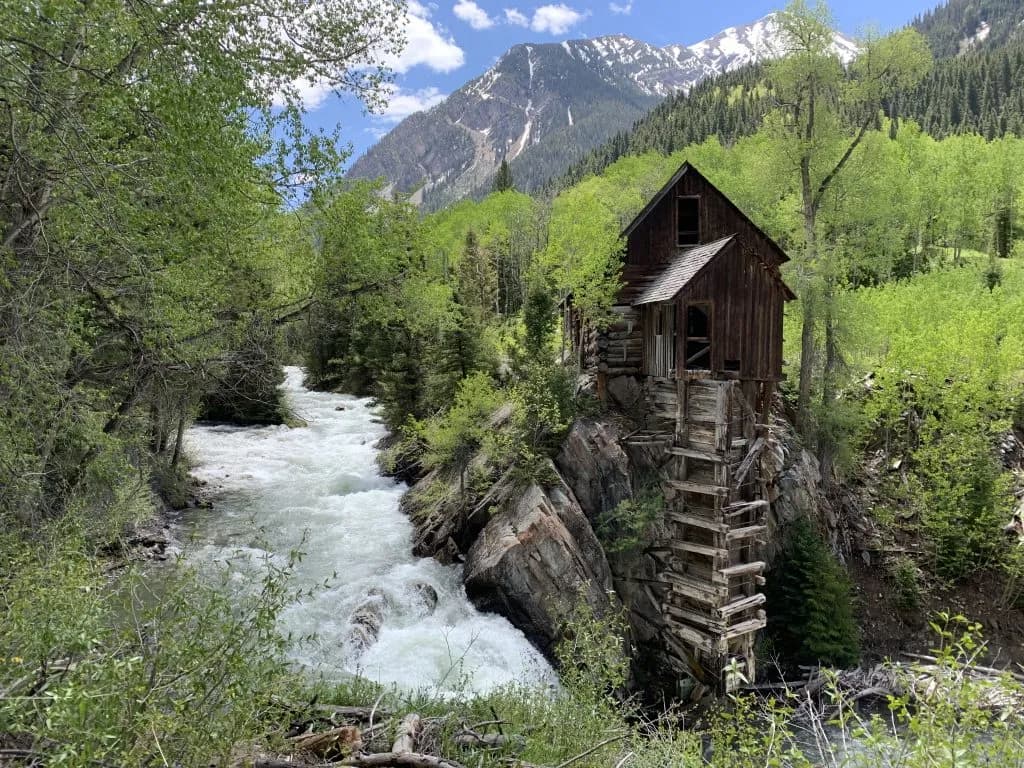
Aspen —“Read that again.”
That is the only logical reaction to the news coming out of Marble on Nov. 10. One of the last rivers in Colorado free of dams or trans-basin diversions is getting a shield. But the shape of that shield depends on who holds the pen, and right now, Washington D.C. is holding it.
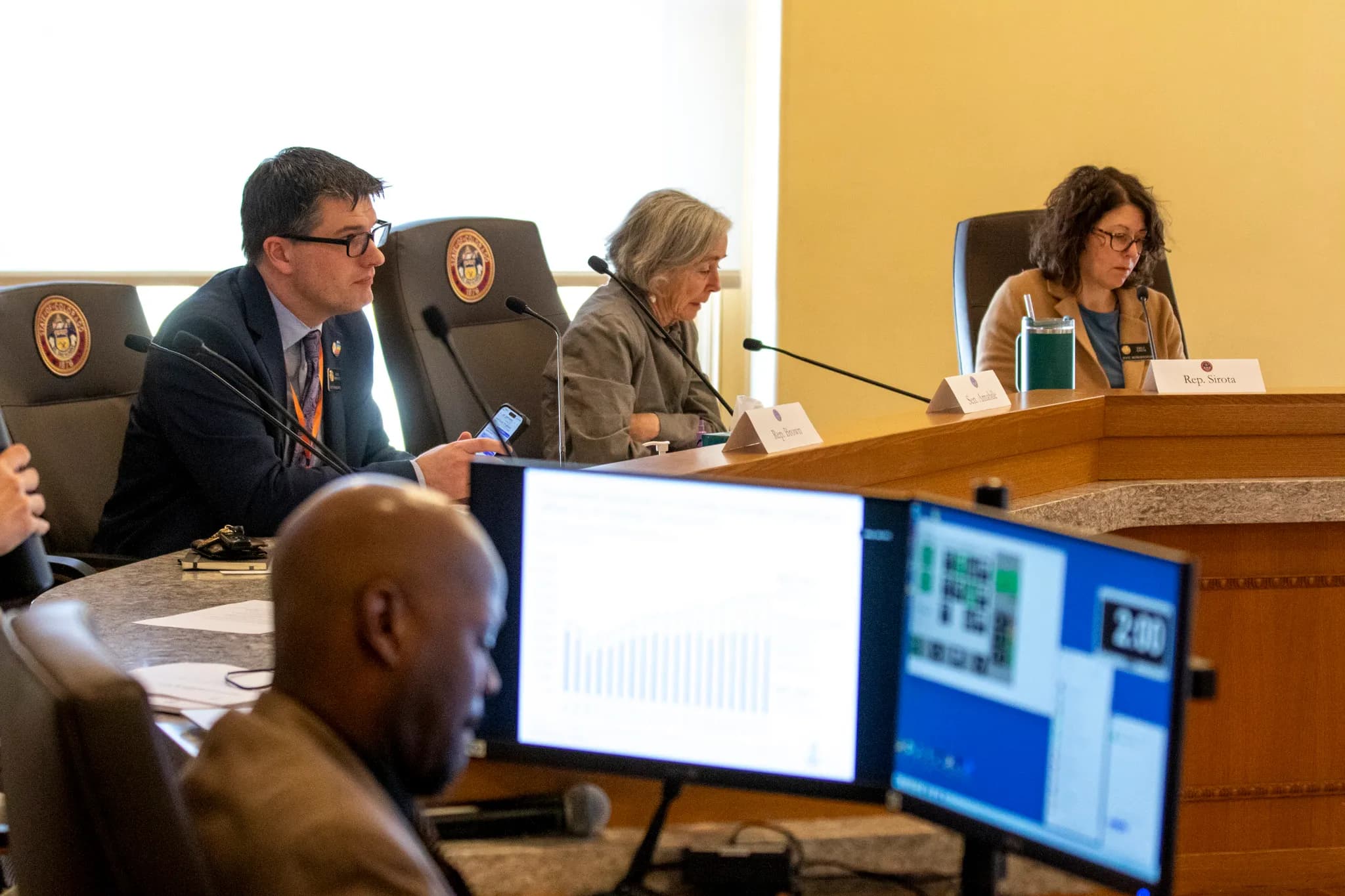
The Aspen Times reported on the meeting of the Crystal River Wild and Scenic and Other Alternatives Feasibility Steering Committee. Three years after the group started, they have a split decision on how to save the water. One tool is done. One is in progress. The third is a mess.
The first tool is the intergovernmental agreement. In April, five local governments signed it. Pitkin County, Gunnison County, the town of Marble, the Colorado River Water Conservation District, and West Divide Water Conservancy District are now on record. They pledged to not support new reservoirs on the mainstem of the Crystal. They also promised to oppose any trans-basin diversions that would pull water out of the basin.
Liz Smith, a Gunnison County Commissioner and steering committee co-chair, called it a victory.
“It’s a durable commitment that I think the five government agencies have made, and it’s something that I hope we can celebrate as a victory,” Smith said. “This is something that we were able to get across the finish line, and it’s meaningful.”
It is a local promise. Local promises are good. They are also fragile if federal law overrides them.
The second tool is an instream-flow water right. This is a state-level mechanism held by the Colorado Water Conservation Board. Most of these rights set a minimum flow to keep the ecosystem alive. The Crystal River group wants something different. They want to claim peak spring runoff for the environment.
The logic is simple. Reservoir projects capture water at the height of spring runoff and store it for later use. If the state claims that peak flow first, developers can’t grab it later.
Caleb Foy, a subcommittee member and water resources engineer with the River District, is leading the science behind this.
“The real purpose here is to formulate a scientific basis for a potential recommendation for instream flow on the Crystal River,” Foy said.
Researchers are currently studying riparian vegetation, specifically cottonwood and blue spruce, on the river banks. They are measuring what high flows the ecosystem actually needs to survive. This is a multiyear process. It requires approval from the CWCB and a sign-off in water court before it takes effect.
The third tool is where the friction lives. The federal Wild and Scenic Rivers Act designation remains contentious.
This is the big one. A federal designation would lock in protections that local agreements and state water rights might not be able to override. But it also hands control of the river to federal agencies. For a region that prides itself on local autonomy, that is a hard pill to swallow.
The committee met in Marble to plot next steps for this specific designation. The Aspen Times noted that the discussion was potent, but the text cuts off before detailing exactly what those next steps are.
What we know is this: The local governments have made their peace with the agreement. The state water engineers are crunching numbers on spring runoff. But the federal designation remains an open question with no clear answer in sight.
The short version: We have a local promise and a state application pending. We do not yet have the federal lock that would make those protections permanent against outside pressure.
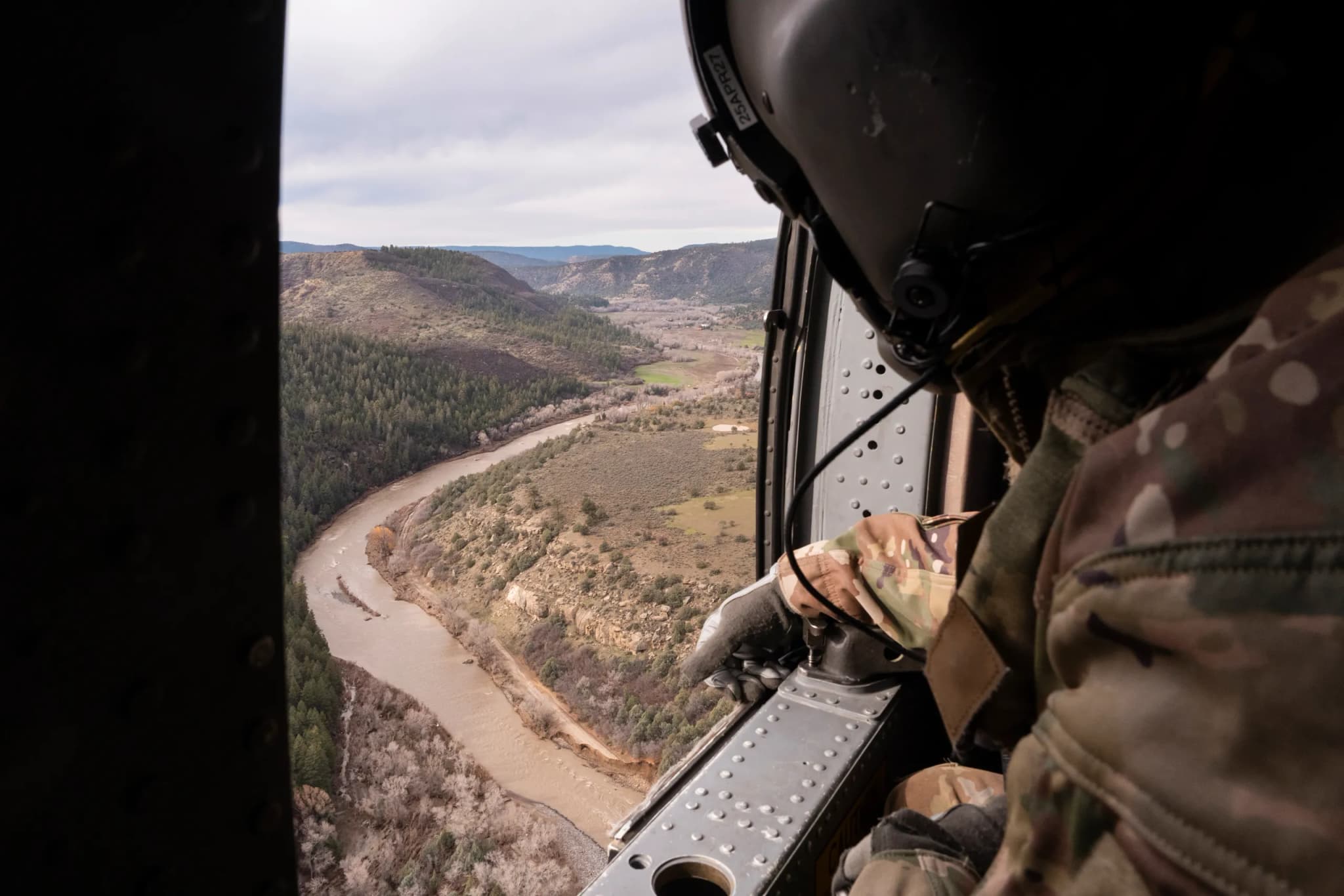
The river flows through Pitkin and Gunnison counties. It feeds the valley, supports the fishery, and defines the landscape for thousands of locals. The question isn’t whether it needs protection. It does. The question is who gets to decide the terms of that protection, and whether local control will survive a federal review.
The committee is working on it. The river doesn’t wait for committees.
Keep up with Aspen
The day's Western Slope news, one email each morning. Free.