Colorado Wolf Mortality Rate Hits 53% Amid Management Crisis
Nine gray wolves died in Colorado this year, with five state-sanctioned kills and two operational accidents. A 53% mortality rate among transplanted animals signals a crisis in wildlife management strategy.
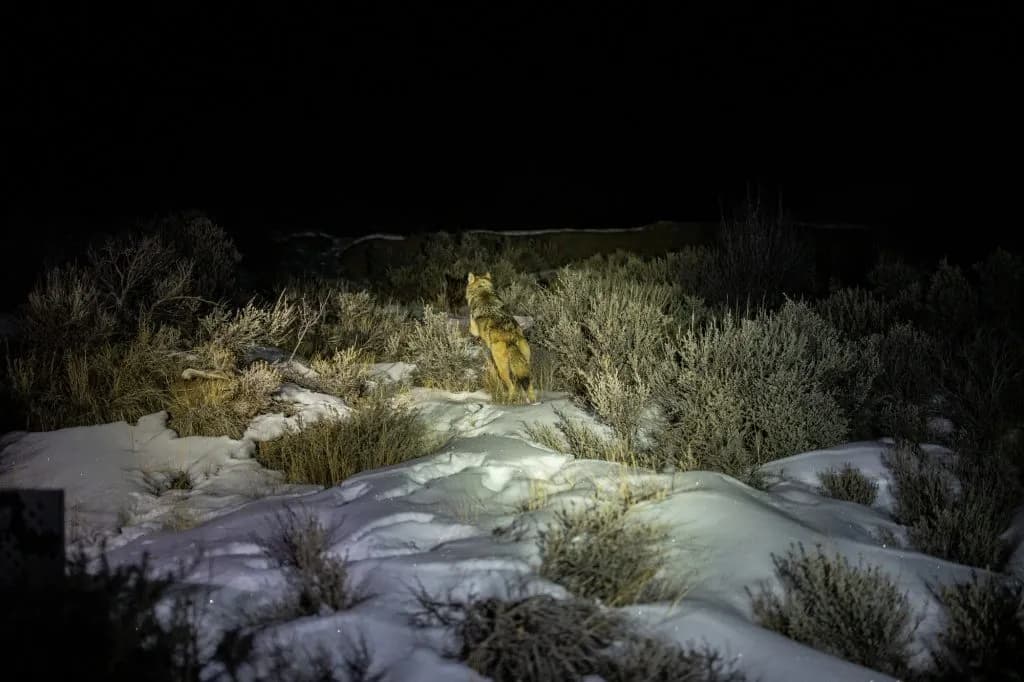
Aspen —Nine dead. That is the number that should be keeping sleepless eyes open in this valley, yet it tends to get lost in the bureaucratic fog surrounding the latest incident. A female gray wolf, tagged 2516, died in Utah on November 7. On paper, it is a cross-state jurisdictional headache. In practice, it is the ninth body in a pile that Colorado Parks and Wildlife (CPW) is struggling to explain.
The obvious take is that this is a mystery. The U.S. Fish and Wildlife Service is investigating, coordinating with CPW and the Utah Department of Natural Resources. But let’s do the math before we get too attached to the "mystery" angle. This wolf traveled more than 9,000 miles in 18 months. She was one of 15 wolves released from British Columbia in January 2025. Only seven are still alive. That is a 53% mortality rate in less than two years. For a population trying to establish itself, that is not a mystery; that is a crisis.
The contrarian argument here is that the cause of death matters less than the pattern of death. We are waiting for the FWS to tell us if 2516 was hit by a car, shot, or sick. But look at the other eight deaths this year:
- Two breeding adults from the King Mountain Pack: one killed accidentally during a CPW collaring operation, the other reportedly killed by a ranch hand.
- One wolf killed by a licensed hunter who allegedly mistook the animal for a coyote.
- One death still under investigation.
- Five wolves killed by CPW due to livestock predation.
Let that sink in. Of the nine deaths, five were state-sanctioned kills. Two were accidents or human error during state operations. One was a hunter’s mistake. That leaves only one true "unknown." The narrative that we are waiting for answers is misleading. We have answers. We just don’t like them.
The protection status adds another layer of irony. In Colorado, wolves are federally and state endangered. In Utah, the rules change based on zip code. In a northeastern portion of Utah, a 2017 ruling delisted them, removing federal protections. In the rest of the state, they remain federally endangered, managed by FWS. It remains illegal to kill or harass them there. So, 2516 crossed state lines, entered a zone with different legal shields, and died. We don’t know why. But we know she wasn’t alone in her fate.
CPW is working toward a voter-mandated goal: a self-sustaining population. To hit that target, they have to mitigate conflict with livestock. They’ve faced headwinds — politics, disease, and the sheer logistics of managing animals that don’t respect property lines. In late September, CPW announced it would take a step back from its current approach to killing wolves involved in livestock attacks. Why? Disease and survival concerns. Nearly half of the state’s nascent population is now pups. Only 50-60% of pups typically survive the winter in western populations. If you start culling the adults to save cattle, you’re thinning the herd before the winter even starts.
There is a joint agreement between Colorado, Utah, New Mexico, and Arizona. Any gray wolf from Colorado entering those three states can be captured and returned. So far, only one wolf — which traveled to New Mexico in December, has been reported as returned via this agreement. Nine dead, one returned. The ratio is stark.
The bottom line for locals isn’t just about wolves. It’s about the management of a fragile resource. Every dollar spent on tracking, collaring, and transport is money coming from our pockets. Every wolf lost is a genetic link broken. The investigation into 2516 will yield a result - a bullet, a tire, a virus. But the bigger investigation is into the strategy itself. Are we saving the species, or just managing the casualties? The data suggests the latter. And until the mortality rate drops below 50%, the "mystery" of the ninth death is just the latest data point in a very clear trend.
Keep up with Aspen
The day's Western Slope news, one email each morning. Free.