Interior Report Blames System Chaos for Rifle Helitack Tragedy
A federal report attributes the death of four Rifle Helitack crew members to region-wide operational chaos, not just the rapid spread of the Knowles Fire.
Aspen —Nine seconds.
That is the window of time between the realization that a helicopter cannot land and the desperate act of deploying fire shelters. It sounds like a heartbeat, doesn’t it? But for the five members of the Rifle Helitack crew trapped in the McInnis Canyons National Conservation Area, it was the entire span of their survival. We often talk about the "heroism" of wildland firefighting, the noble charge against the flame. But the federal report suggests something far more unsettling: that the heroism was real, yet it was nearly irrelevant because the system around them had already fractured.
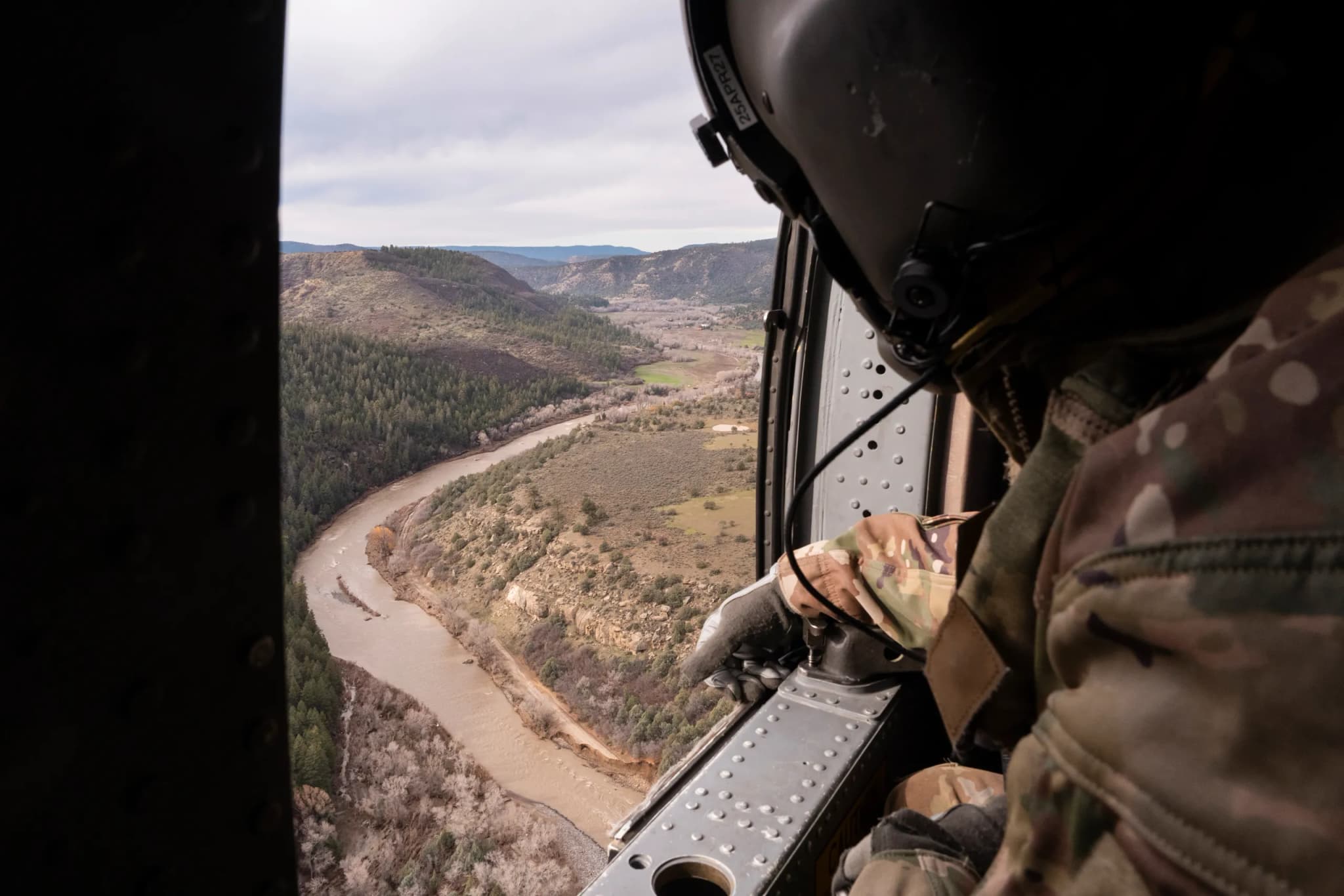
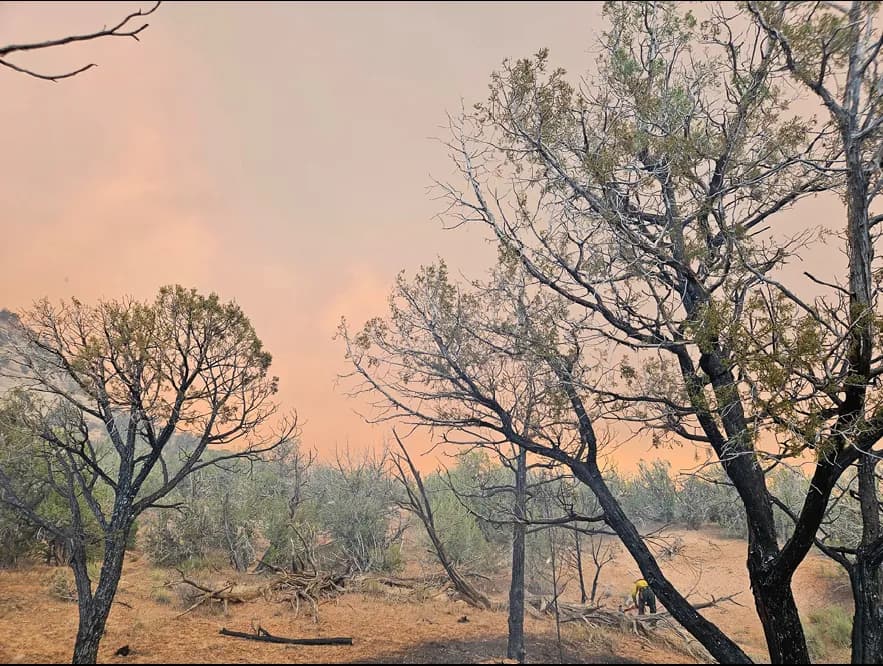
The obvious narrative is that the blaze was simply too big, too fast, too angry. And yes, the Vail Daily reports that the Knowles Fire traveled 7.5 miles through complex, broken mesa and canyon terrain in less than three hours. Officials called the growth "shocking" and "unfathomable." If the fire was a god, it was a vengeful one. To blame only the flames is to ignore the machinery of failure that left those firefighters stranded.
The report, published by the U.S. Department of the Interior on November 12, paints a picture of region-wide chaos. It wasn’t just one fire; it was a constellation of blazes burning across western Colorado and eastern Utah. One aircraft dispatcher described the day as "chaos." The skies were crowded, the communications strained, and the jurisdictional lines blurred. The firefighters were caught in a web of fragmented airspace awareness and incomplete situational awareness. They were trying to fight the inferno while navigating a logistical nightmare that stretched from the ground to the sky.
There is a warmth to the tragedy, a human intimacy that cuts through the bureaucratic language of the 95-page report. Emily Barker, Nick Hutcherson, and Sydney Watson died at the scene. Nathan Matthews died a month later. Barker and Matthews were part of the Eagle County community, neighbors in a way that makes the loss feel personal, even if you didn’t know them. The report notes that the transition from expecting a helicopter pickup to deploying shelters was "exceptionally noteworthy." It highlights the speed of the change, the sudden shift from hope to desperation.
The investigation interviewed dozens of people, including the surviving firefighter, who remains unnamed, along with dispatchers, pilots, and officials. It sought to understand the event from multiple perspectives, to construct a story that reveals the pathways to future safety. It’s a detailed, forensic look at a single day, but it reflects a broader pattern of strain in the fire service. The infrastructure wasn’t built for this level of intensity, this many fires at once.
So, was it the fire? Yes. Was it the chaos? Also yes. It was the combination, the convergence of extreme natural behavior and human-systemic stress. The report doesn’t point a finger at one villain; it identifies a constellation of failures. That’s harder to digest, but maybe more accurate. It challenges us to look beyond the spectacle of the flames and examine the scaffolding that held — or failed to hold — the response together.
If you look closely at the timeline, you can feel the pressure building. The helicopter was close, audible, but grounded by smoke. The wildfire was closer, faster, undeniable. In that nine-second gap, the world narrowed to the immediate, the physical, the now. There was no time for strategy, no time for coordination, just the instinct to survive.
The lingering image isn’t the fire itself, but the silence that follows. The smoke clearing, the stillness of the canyon, the weight of what happened. It’s a quiet, heavy presence, a reminder that the landscape holds memory. The terrain, complex and broken, witnessed the rapid movement, the struggle, the outcome. It remains, unchanged in its physical form, but altered in its meaning to those who know the story. The wind moves through the canyons, carrying the scent of ash and damp earth, a sensory echo of the day that changed the community.
Keep up with Aspen
The day's Western Slope news, one email each morning. Free.