Pueblo County Hunters Warned After Massive Arkansas River Sewage Spill
Colorado Parks and Wildlife urged waterfowl hunters in the Lower Arkansas Valley to treat the river as contaminated following a 4.2 million gallon sewage spill.
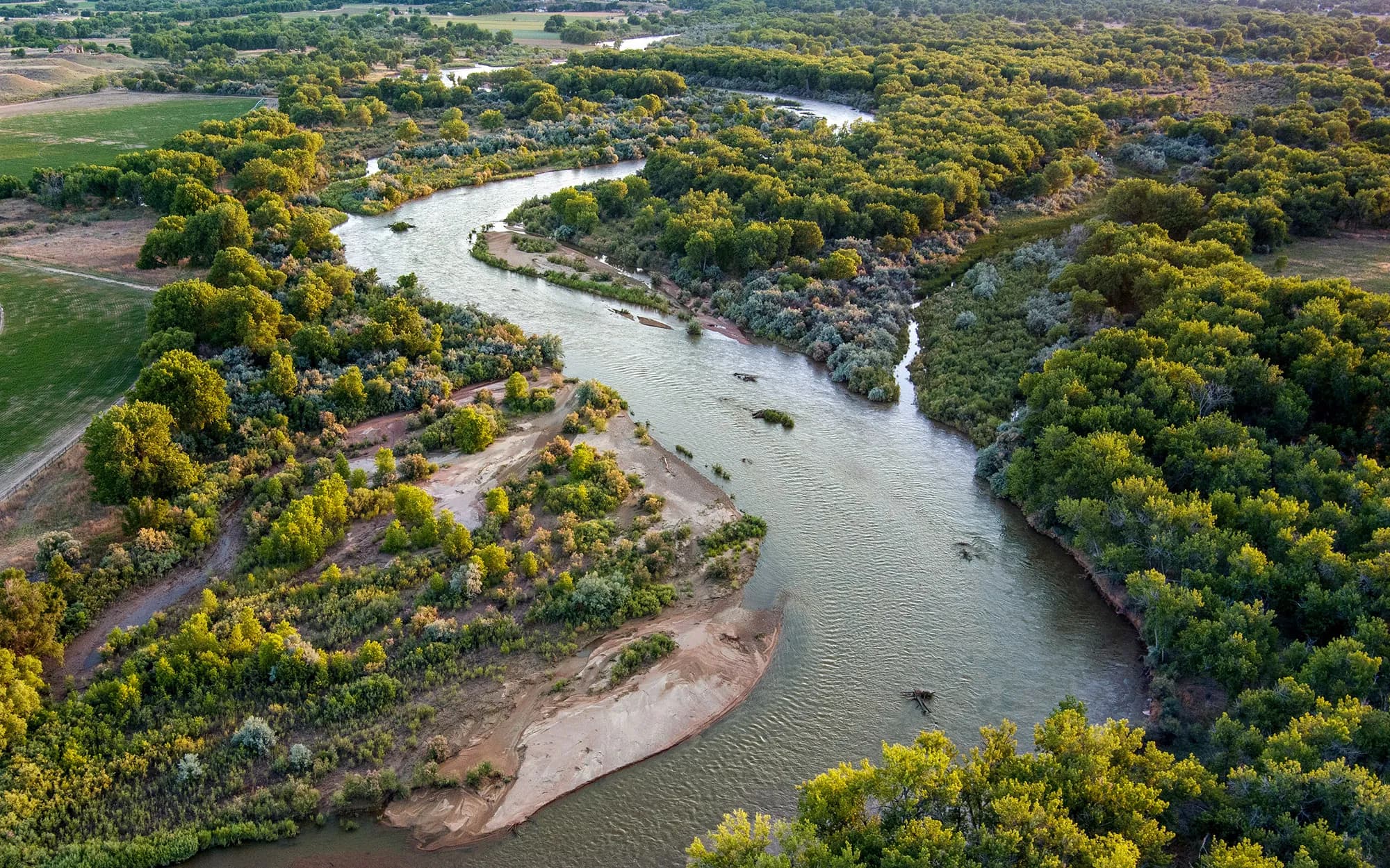
The Arkansas River cuts through the flatlands of eastern Pueblo County, a ribbon of brown-green water that has sustained farmers for generations. But this year, the current carries more than just sediment and algae. It carries a warning.
Colorado Parks and Wildlife (CPW) issued a new advisory this week for duck and goose hunters operating in the Lower Arkansas Valley. The agency is urging waterfowl hunters to treat the river and its adjacent wetlands as potentially contaminated, a direct result of a massive sewage spill that occurred in August.
The incident involved a failed patch on a major sewer pipeline east of Interstate 25. The rupture released 4.2 million gallons of untreated wastewater directly into the river. For weeks following the spill, state health officials have been monitoring water quality for hundreds of miles downstream, testing for pathogens that pose serious risks to both wildlife and humans.
Ashley Rust, a water quality specialist with CPW, explained that raw sewage introduces a cocktail of dangerous organisms into the ecosystem. “Raw sewage can carry pathogens such as E. coli, viruses and parasites,” Rust said. The agency is distributing these precautions to hunters “out of an abundance of caution,” particularly because recent heavy rainfall has washed residual contaminants back into the streams, keeping bacteria levels elevated at certain points.
The warnings are specific and practical. Hunters are advised to avoid exposing bare skin directly to the water. Clothing that gets wet should be handled as if it is contaminated and washed separately from other laundry. Boots and waders need to be sanitized before being stored for the season. Even the gear itself is a vector; decoys and other equipment should be cleaned and kept separate from other hunting supplies.
The risk doesn’t end when the bird is down. Exposure can occur while wading, retrieving wet birds, or even during the cleaning and cooking process. Rust emphasized that handwashing with soap and running water is preferable to liquid sanitizer. When handling harvested birds, throwaway gloves are recommended. In the kitchen, standard food safety protocols apply: keep waterfowl meat separate from other foods and cook game to an internal temperature of 165 degrees or higher.
Even the dogs are part of the equation. Retriever dogs should be rinsed after hunting, and owners should try to prevent them from drinking potentially contaminated water in the field.
The geographic scope of the concern is broad. In an early September update, CPW identified several wildlife areas as potentially impacted. These include Melon Valley, Rocky Ford, Oxbow, Purgatoire River, Fort Lyon, North Gateway Ponds, Granada, Deadman, Midwestern Farms, and Holly. Recreational users planning to visit these sites can check recent test results on the state’s official website.
The story of the river is one of resilience, but also of vulnerability. It is the lifeblood for agriculture in southern Colorado, yet it is now also a carrier of invisible threats. For the hunter standing in the shallows at dawn, the mist rising off the water looks peaceful. But beneath the surface, the water remembers the spill. And that matters because the precautions taken today protect the health of the community tomorrow.
Stand there long enough and you realize the river doesn’t care about our maps or our boundaries. It just flows. And right now, it’s flowing with a message that needs to be heard.
Keep up with the Western Slope
The day's Western Slope news, one email each morning. Free.