Record Snowpack Melt Drives Early Spring Fishing Boom in Grand County
Record-low snowpack and rapid melt-off create an unexpected early spring fishing boom in northwest Colorado, though biologists warn of long-term ecological risks like increased northern pike populations.
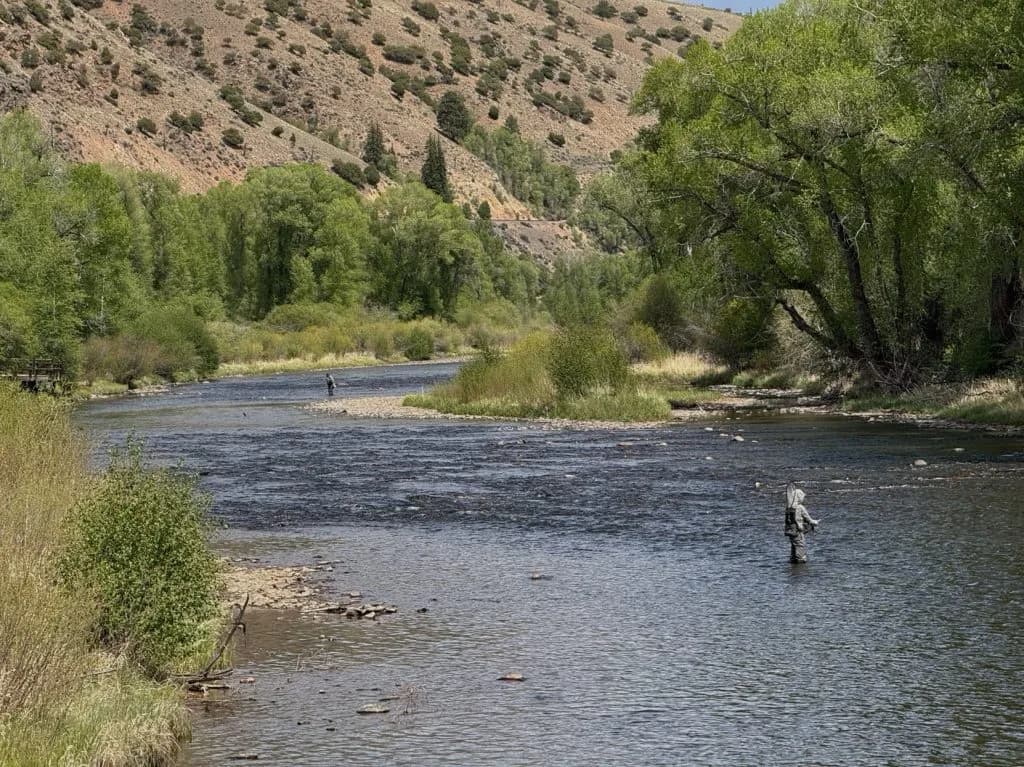
Steamboat Springs —Everyone tells you that drought means less water. They expect you to panic when the river drops. But right now, the water is dropping, and the fish are thriving. That’s the counterintuitive twist in northwest Colorado’s fisheries story.
At the start of June, 100% of Colorado was experiencing some drought conditions. This follows the state’s lowest snowpack on record. Record-setting heat in March melted that snow fast. The result? A spring that is unusually good for recreational angling.
Jon Ewert, Colorado Parks and Wildlife’s aquatic biologist for Grand and Summit counties, called it an "incredibly good spring for fishing." He said this during a June 2 drought tour in Grand County. The catch isn’t luck. It’s timing.
“Everything’s a month ahead of schedule this year,” Ewert said.
The rainbow trout spawned a month early. The caddis are hatching on the Colorado River, which usually happens around July 1. The water is low and clear. The fish are hungry coming out of winter. They are aggressive. The bugs are hatching early. It’s a perfect storm for anglers who show up in May.
But don’t get too comfortable. This early bloom is a warning sign, not a permanent fix.
“What’s it going to look like in July? What’s it going to look like in August?” Ewert asked. “We all have some grim ideas about that.”
The early melt-off has thrown off more than just the fishing calendar. It has disrupted critical management work. Ben Felt, Parks and Wildlife’s senior aquatic biologist in the northwest region, noted that ice came off most reservoirs 4 to 6 weeks earlier than usual.
This timing shift hits invasive species hard. The spring work aimed at removing northern pike relies on catching them when they spawn. This year, the pike spawned way earlier. The biologists missed the window.
“We’ll likely see some increases in northern pike numbers, just based on our reduced ability to be out there that early when the pike are spawning,” Felt said. He called the timing “completely unprecedented.”
Russ Schumacher, Colorado’s state climatologist, says climate models are forecasting continued dry conditions. The anxiety is real.
“This drought is something that’s being closely watched with a lot of anxiety by many, many people,” Ewert said.
The immediate impact on locals is a double-edged sword. You get better fishing right now. The trout are biting harder and faster because the ecosystem is out of sync. But you are also paying for the long-term ecological debt. The northern pike population is likely to swell. That means less food for the trout later in the year. It means the water will get hotter and lower as summer progresses.
The infrastructure of the river is changing faster than the management teams can adapt. The ice leaves early. The pike spawn early. The water drops early. By August, the "aggressive" fish might be struggling to find enough oxygen in the warmer, lower flows.
For the folks around here, the lesson is simple. Enjoy the early season bite. It’s a bonus. But expect the river to tighten up and the fish to get pickier as the heat of July and August sets in. The low flows aren't just a number on a monitor; they are a ticking clock for the entire aquatic food web.
Keep up with Steamboat Springs
The day's Western Slope news, one email each morning. Free.



Moffat County Fair Awards Crown Winners in Horse Show and Crafts
Leela Bridgewater and Corgi Freya Win Routt County Fair 4-H Dog Show