Red Cliff Driverless Car Accident Claims Three Lives in 1950
A driverless car malfunction in Red Cliff killed three people on August 14, 1950, marking an early automated transport failure that continues to influence local infrastructure debates.
Aspen —The wind off Red Mountain carries a distinct chill in late July, cutting through the thin air of the high country. It is a dry cold, the kind that cracks lips and stiffens joints before the sun fully burns off the morning fog. In Red Cliff, just outside of Vail, the landscape remains largely unchanged from seventy years ago: steep slopes, narrow roads, and a history of infrastructure projects that promise more than they often deliver.
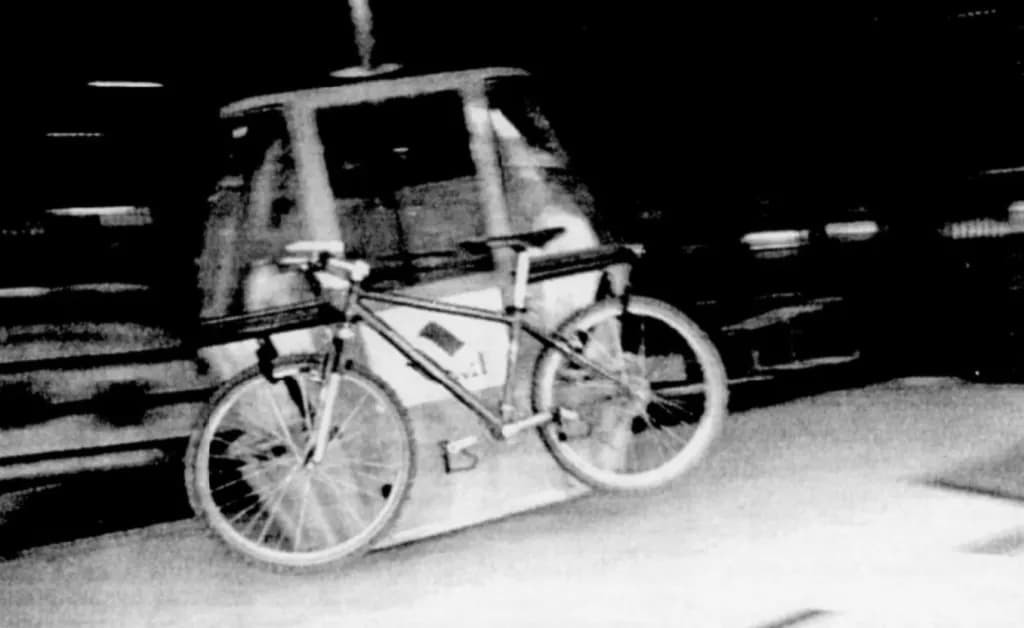
On August 14, 1950, that landscape claimed three lives in a freak accident involving what the local press called a "driverless car." The vehicle, essentially an early automated transport system, was operating on the rails near the settlement when it failed. Three people were killed instantly. One was a man from the area himself, identified in the Vail Daily’s Time Machine feature as a local resident. The other two were passengers riding with him.
Let’s do the math on what this means for locals who drive these roads today. A driverless car sounds like a luxury or a futuristic novelty. In 1950, it was an experimental burden on the community’s trust in technology. The accident wasn't a slow decay or a mechanical failure after years of service; it was immediate and fatal. The Vail Daily reports the event with clinical precision, noting the date and the location without embellishment.
The story of this accident serves as a reminder that automation here is not new, nor is it risk-free. The 1950 incident suggests otherwise if the engineering is sound only on paper. The three deaths were not due to human error — a driver falling asleep or misjudging a curve — but rather the machine itself. This distinction matters for property values and insurance rates in the valley, where such systems might be reintroduced or expanded.
If we look at the broader context of Western Slope development, this historical data point adds weight to current debates about infrastructure. We are seeing a push for modernization in Vail and surrounding towns, from gondolas to water districts. The accident occurred during a period of rapid change, much like today. It reminds us that when officials propose new systems, they often highlight the benefits, speed, efficiency, cost-savings - but rarely mention the potential for catastrophic failure.
The Vail Daily article, written by Feinsinger, places this event in a timeline of regional history. It sits alongside other major developments: the 1969 gondola replacement in Lionshead, the 1976 crash that led to millions in lawsuits, and the ongoing water disputes between Colorado Springs and the Vail Valley. Each of these stories involves money, engineering, and public trust. The 1950 accident is the earliest of these modern-era headaches.
For neighbors in the community, this isn't just a history lesson. It is a case study in how technology impacts daily life. The cost of that accident was measured in lives, but the long-term cost is in the skepticism it breeds. When a new project comes to town; be it a highway expansion or a new transit line, the memory of the driverless car lingers. It suggests that "new" does not always mean "better."
The practical bottom line is clear. The community absorbed the loss of three residents without collapsing, but it did so with a heightened awareness of risk. Today, as we evaluate new infrastructure projects, we must ask not just about the price tag, but about the potential for failure. The $12 million gondola in Vail was a gamble that paid off. The driverless car in 1950 was a gamble that cost three lives. Both are part of the same story: progress, at a price.
Keep up with Aspen
The day's Western Slope news, one email each morning. Free.
Aspen's ACES Returns Annual Harvest Party to Rock Bottom Ranch
Glenwood Ghostwalk Brings Frontier History to Life in Linwood Cemetery