Republic Services deploys AI robot arms to boost north Denver recycling efficiency
Republic Services installs AI robot arms at its north Denver facility to sort 500 tons of daily recycling, targeting a lower residue rate by plucking cardboard faster and more accurately than human workers.
Colorado —Why is a robot arm in north Denver picking up cardboard faster than your neighbor?
Because the human worker is tired. And confused.
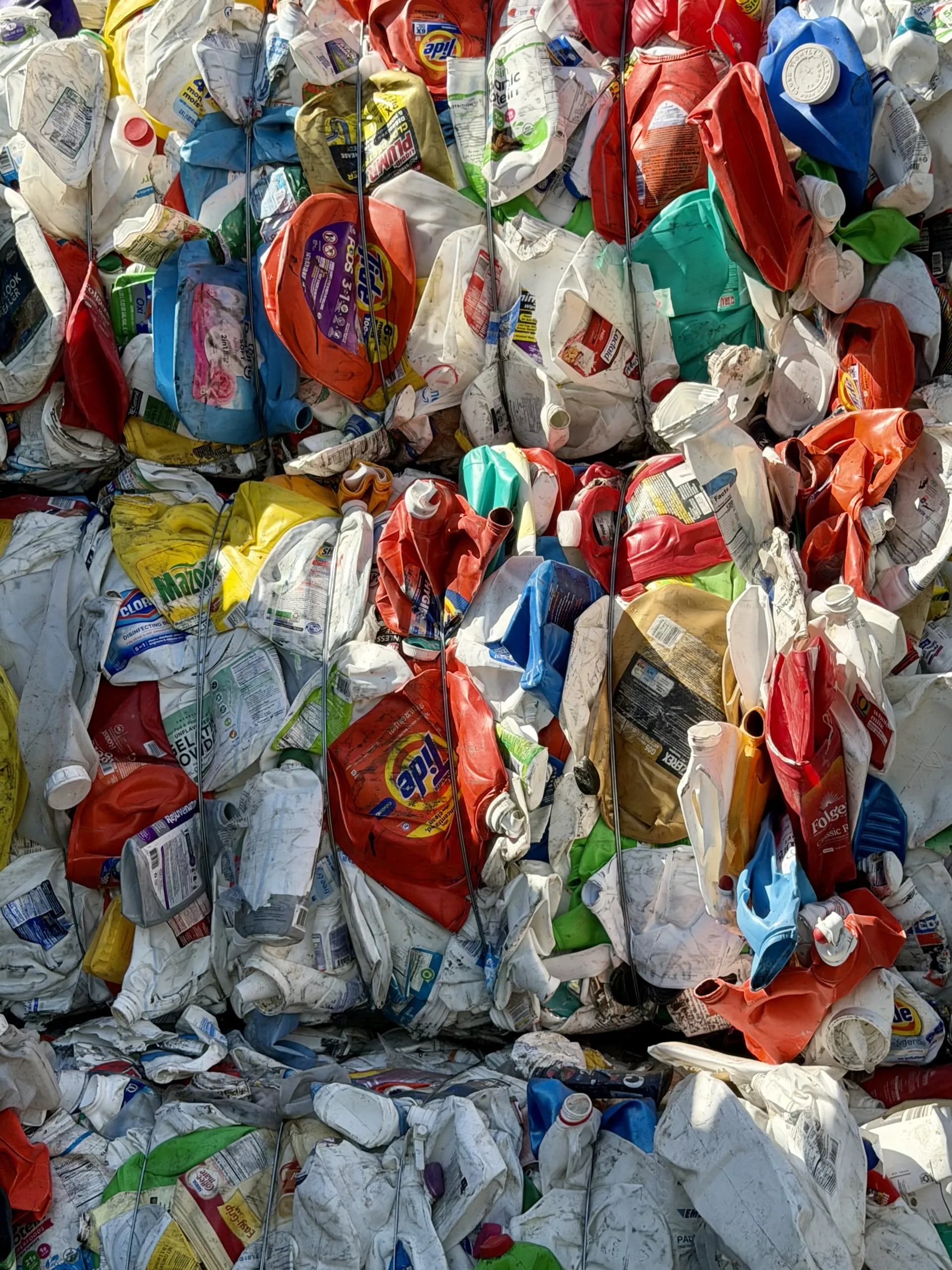
Republic Services is installing AI-assisted robot arms to sort the relentless flood of mixed recycling arriving at its north Denver facility. The volume is staggering. 500 tons a day. 10,000 tons a month.
Humans get exhausted. They make mistakes. Robots do not.
The new arms, installed in May, pluck stray pieces of cardboard off conveyor lines. They hit at a rate of 60 to 70 times a minute. A human worker on the same line manages only 40 to 50 cardboard scraps per minute. The robot is faster. It is also more accurate.
Cardboard is valuable. It bails easily. It ships in bulk. Retailers like Amazon demand it. Every flap the robot saves adds up.
This matters for Western Slope neighbors, too. Colorado’s new producer responsibility law is taking effect. Companies that produce consumer packaging — shipping warehouses, beverage makers, snack brands — are paying fees for each package. The Circular Action Alliance collects these fees. State oversight ensures the money goes to local communities. The goal: expand curbside recycling and waste-diversion efforts.
More recycling means more material to sort. More material means more pressure on facilities like Republic Services.
Steve Derus, the plant manager for the Denver facility, says the current residue rate is 25%. That means one-quarter of the incoming load ends up in the landfill. Derus wants that number in the mid- to upper teens. He calls that "great."
Right now, 2,500 tons of the 10,000 tons processed monthly is either nonrecyclable or lacks a commodity market. It goes to the landfill. This drags down Colorado’s waste diversion rate. State and local laws are trying to reverse that trend. But the volume is growing.
The robot arms are a stopgap. They handle the repetitive, exhausting work. They do not solve the underlying problem of packaging waste. They just make the sorting process more efficient for now.
The facility processes recycling from Denver and surrounding suburbs. The robots are already working. They avoid the fatigue that plagues human sorters. They keep plucking.
Feinsinger reported the details in the Colorado Sun. He noted the physical presence of the journalist on the ground. The reporting is based on firsthand information. Direct interviews. Primary source documents.
The short version: Robots are replacing humans in the most tedious parts of the recycling stream. It is not a total automation. It is a targeted upgrade. The cardboard is the priority. It is the most valuable commodity in the mix.
Derus wants the residue rate down. The robots help. But the volume of waste is rising. The fees from packaging companies are just starting to flow. The system is under stress.
The robot arm does not care about the abysmal diversion rate. It ignores state laws. It cares about hitting cardboard. 60 to 70 times a minute.
That is the hard fact. The rest is context.
The question remains: Can a robot arm fix a broken system? Or is it just delaying the inevitable?
The answer lies in the residue rate. Derus wants it in the teens. Right now, it is 25%. The robots are helping. But they are not magic. They are tools.
The community gets grants. The companies pay fees. The robots sort cardboard. The humans sort the rest.
It is a start. It is not a solution.
Keep up with Colorado
The day's Western Slope news, one email each morning. Free.


Federal Report Sets 200,000 Acre-Foot Water Conservation Target for Upper Basin
Colorado Parks and Wildlife Deploys Precision Drones for Weed Control