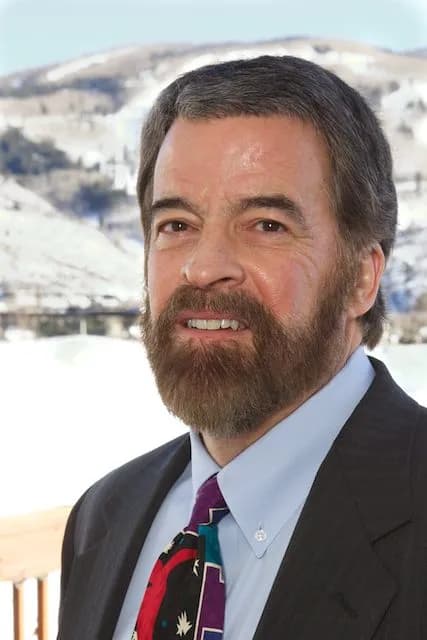
Retired Victoria Van Couvering Redefines 'Whatever' for Resurrection Sunday
Retired Victoria Van Couvering argues that the biblical 'whatever' is about intention, not indifference. She uses 1 Corinthians 10 and Proverbs 3 to help readers examine their motives as they approach Resurrection Sunday.
Steamboat Springs —The coffee at the local diner is still hot, the radio is tuned to a country station playing something about trucks and heartbreak, and outside, the wind is picking up off the Gunnison River, carrying that familiar dry chill that defines a Western Slope spring. It’s the kind of morning where you pull your jacket tighter and wonder if the snowpack will hold or if the melt is already accelerating.
Victoria Van Couvering isn’t thinking about the weather. She’s thinking about the word "whatever."
It’s a dismissive term we use to shrug off ideas, beliefs, and people. But in her latest faith column, Van Couvering argues that the biblical version of "whatever" isn’t about indifference. It’s about intention. It’s about doing everything, no matter how small, for a higher purpose.
"I seem to hear 'whatever' a lot these days and it always disses a person, an idea, a belief," Van Couvering writes. "Recently I ran across a 'whatever' in the Bible that is nothing like any 'whatever' today."
She points to 1 Corinthians 10, where the Apostle Paul addresses a specific cultural conflict in Corinth. The church was split between former Jews, who followed strict kosher laws, and former pagans, who ate meat sacrificed to idols. The question wasn’t just about diet; it was about identity and freedom. The pagans embraced the "Whatever Factor" — what’s the big deal? Eat the meat.
Paul’s answer was broader. "So whether you eat or drink, or whatever you do, do everything for the glory of God," Van Couvering notes.
For Van Couvering, who is retired, this shifts the focus from grand gestures to daily routines. If you’re not working a 9-to-5, your "whatevers" are the errands, the meetings, the quiet moments in your apartment. The challenge is motive. Are you doing it for yourself, or for something larger?
"It’s really about motives! WHY am I doing what I’m doing?" she asks.
She lists the enemies of good motives: self-service, self-promotion, self-defense, self-protection, self-aggrandizement. If you’re doing it to boost your own ego at the expense of another, it doesn’t count.
To fix this, she offers a checklist based on Proverbs 3. It’s a practical, almost administrative approach to spirituality.
- Am I trusting the Lord with all my heart?
- Do I think my way is the best way, or (worse) the only way?
- Am I purposefully offering God all my whatevers?
- Do I really think I’ve got all the wisdom I need?
- Have I stopped to consider if there is anything evil involved?
It’s a lot to process before lunch. But Van Couvering ties it to the upcoming Resurrection Sunday. Jesus didn’t just die; He endured. He was arrested, beaten, hated, and nailed to a cross. His "whatever" was the culmination of a life lived for others, not for self-glory.
"Unless the first four questions are answered honestly, we all will fail here," she writes. "No one can correctly assess the nuances of evil apart from a relationship of love and respect (fear) for the holiness and glory of the Lord."
The result? "He will make your paths straight."
In a valley where we’re constantly navigating the tension between our private lives and public responsibilities, between what we want and what we owe, Van Couvering’s message is a reminder that the small stuff matters. The "whatever" you do today — whether it’s fixing a fence, paying a bill, or listening to a neighbor, sets the tone for the rest of your week.
As we head toward Easter, the question isn’t just about belief. It’s about direction.
"Take time to let the reality of Jesus’ whatever settle into your heart," Van Couvering says.
Keep up with Steamboat Springs
The day's Western Slope news, one email each morning. Free.