Arvada Disc Golf Enthusiast Revolutionizes Sport with Eco Friendly Discs
Meet Jesse Stedman, the founder of Trash Panda Disc Golf, who's transforming waste plastic into functional discs and promoting sustainability in the disc golf community.
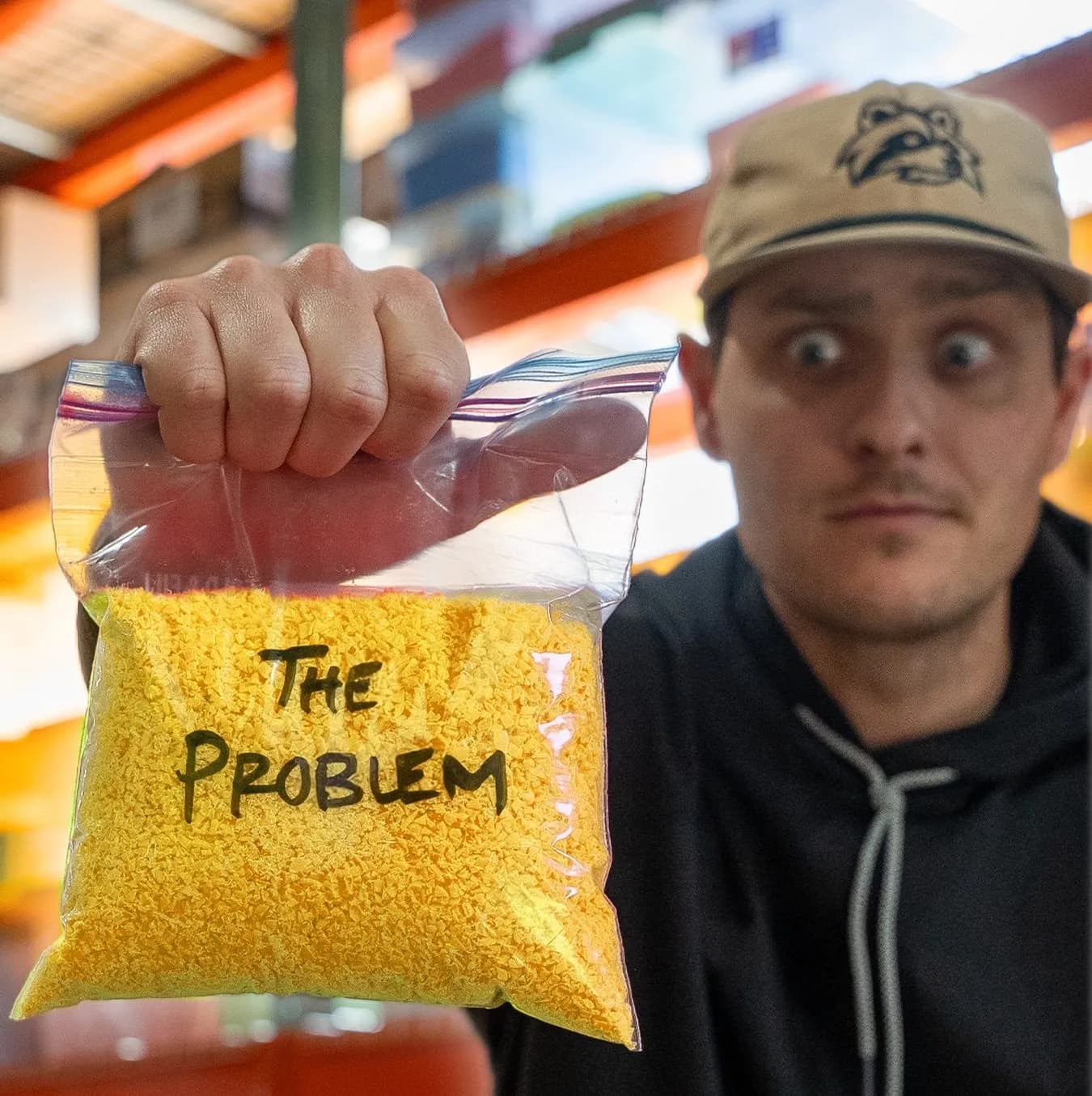
Colorado —As I step out onto the sun-drenched grounds of the Johnny Roberts Disc Golf Course in Arvada, the sound of discs whizzing through the air and the murmur of conversation among players creates an infectious energy, and I can feel the excitement building in my chest, like the gentle hum of a guitar string plucked by an eager musician. The course, with its winding trails and strategically placed obstacles, is a haven for disc golf enthusiasts, and I'm here to explore the innovative story of Jesse Stedman, the founder of Trash Panda Disc Golf, who's revolutionizing the sport on the Western Slope by transforming waste plastic into functional, eco-friendly discs. The smell of freshly cut grass and the warmth of the sun on my skin only add to the sense of anticipation, as I imagine the possibilities that this sustainable approach could bring to our community.
Jesse's journey began over a decade ago, when he first discovered the thrill of disc golf as a ninth grader in Northern California, and it's a story that resonates deeply with folks around here, who value the great outdoors and are always looking for ways to reduce their impact on the environment. As he delved deeper into the sport, he couldn't help but notice the paradox of waste plastic ending up in landfills, while new materials were being created from non-renewable resources, a realization that sparked a sense of purpose in him, like a spark igniting a flame. This epiphany led him to ask a profound question: "Why don't we use the materials that already exist, rather than creating new ones that will eventually run out?" It's a question that echoes the concerns of many locals, who are passionate about preserving the natural beauty of our region, and it's a question that Jesse is now actively working to address.
Fast-forward to 2020, when Jesse, now living in Littleton, decided to take the plunge and turn his vision into a reality, a decision that would require patience, perseverance, and a willingness to learn from his mistakes. He began assembling an injection machine in his garage, with the goal of creating discs from recycled plastic, a process that would prove to be more challenging than he anticipated, like trying to navigate a complex puzzle with missing pieces. The machine, which consisted of heating elements and a mold, required a significant amount of upper-body strength to operate, and the initial results were far from encouraging, like a discordant note in an otherwise harmonious melody. The No. 2 plastic, also known as HDPE, proved to be too fragile and rigid for disc golf, and not grippy enough, a disappointment that could have deterred a less determined individual.
However, Jesse's determination and creativity led him to pivot and explore alternative uses for the recycled plastic, like a musician adapting to a new instrument. He discovered that the material could be used to create disc golf minis, which are used to mark players' lies during a game, and this innovation sparked a sense of excitement and possibility, like the first light of dawn breaking over the horizon. As he opened up orders to the public, the response was overwhelming, and his company was officially born, with a name that pays homage to the resourceful nature of raccoons, which are known to dig through trash cans and dumpsters, a nod to Jesse's mission to take plastic out of the waste stream and put it back into use.
As I walk through the course, I notice the discarded plastic bottles and waste that litter the grounds, and I'm reminded of the importance of Jesse's work, like a gentle breeze that stirs the leaves and awakens the senses. The Western Slope, with its stunning natural beauty, is a region that's deeply connected to the environment, and initiatives like Jesse's are not only innovative but also essential for promoting sustainability. By transforming waste plastic into functional discs, he is not only reducing the amount of waste that ends up in landfills but also promoting a more sustainable approach to manufacturing, an approach that could have far-reaching implications for our community and our planet. His efforts offer a promising solution, one that brings hope for a more environmentally conscious future, and it's an approach that could inspire others to follow in his footsteps.
As I watch a group of players expertly navigate the course, I'm struck by the sense of community and camaraderie that disc golf fosters, like a rich tapestry woven from diverse threads. The sport, which requires a combination of physical skill and mental focus, is a perfect fit for the Western Slope, where outdoor enthusiasts and nature lovers abound, and it's a sport that could be even more enjoyable and sustainable with the use of eco-friendly discs made from recycled materials. As Jesse continues to refine his manufacturing process and scale up production, it's clear that his innovative approach will have a lasting impact on the sport and the environment, like a stone cast into a still pond, creating ripples that will spread far and wide.
The sound of discs flying through the air, the smell of freshly cut grass, and the warmth of the sun on my skin all blend together to create a sense of wonder and awe, as I contemplate the possibilities that this sustainable approach could bring to our community. As I leave the course, I'm left with a lasting image: a disc golf player, proudly holding up a disc created by Jesse's company, with the majestic Rocky Mountains towering in the background, a reminder of the beauty and wonder that awaits us when we combine innovation, sustainability, and a passion for the outdoors.
Keep up with Colorado
The day's Western Slope news, one email each morning. Free.



Federal Report Sets 200,000 Acre-Foot Water Conservation Target for Upper Basin
Colorado Parks and Wildlife Deploys Precision Drones for Weed Control