RFK Jr. Pledges White House Support to Vaccine Skeptics
HHS Secretary RFK Jr. pledged White House backing to vaccine skeptics at a D.C. conference, highlighting recent changes to the childhood vaccination schedule and advisory board.
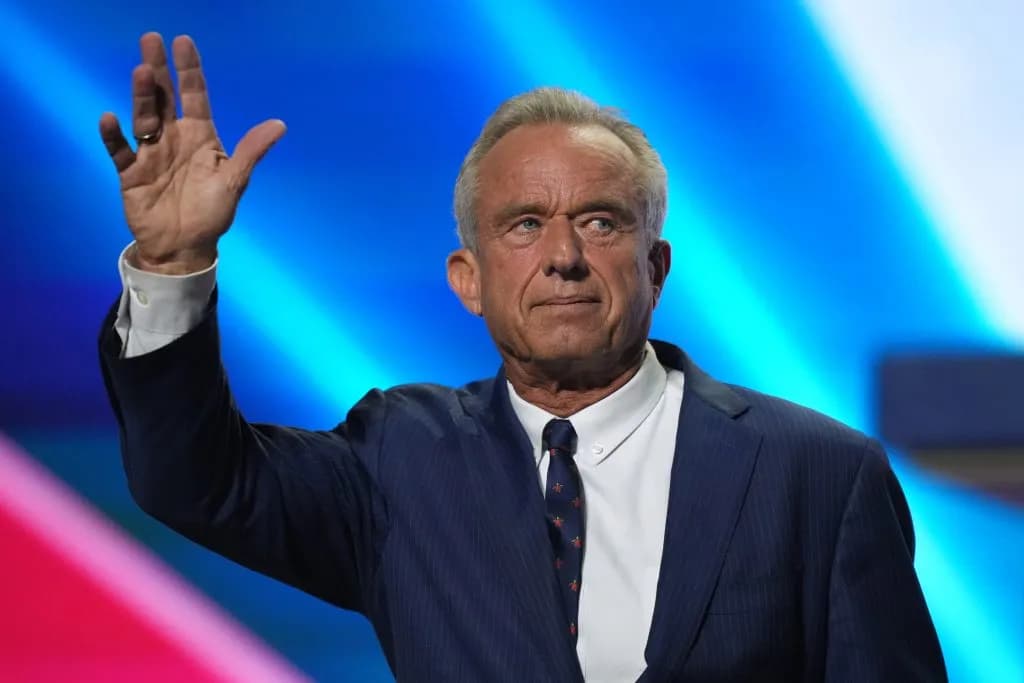
Aspen —The fluorescent lights of the Washington D.C. convention center hummed with a low, electric buzz, a stark contrast to the warm, golden sunlight filtering through the aspens outside. Inside, the air was thick with the scent of stale coffee and the palpable tension of hundreds of people waiting to hear from a man who used to sit in the front row. It was a strange, almost surreal homecoming for Robert F. Kennedy Jr., who stepped up to the microphone not just as the Secretary of Health and Human Services, but as a former chair of the very group he addressed: Children’s Health Defense.
If you’ve been following the local chatter about how federal policies ripple down to our own clinics and schools, you know this wasn’t just a national headline. It was a signal. Kennedy didn’t mince words. He looked out at the crowd — parents, activists, and skeptics — and made a promise that felt both personal and political. “Let me be clear: You have a strong and steadfast friend in the White House,” he said. His voice carried a weight that suggested he meant every syllable. He went on to claim that the administration had accomplished in nineteen months what would have seemed unthinkable just two years prior.
This wasn’t the first time Kennedy had spoken to this group, but it was his first appearance since taking the oath of office. He had stepped back from his role at Children’s Health Defense when he launched his presidential campaign in 2023, but this speech marked a deliberate return. He used the platform to highlight specific administrative moves, such as the effort to downsize the childhood vaccination schedule and the reshaping of the vaccine advisory board. He even praised President Trump for pushing forward with an executive order that called for spacing out the measles, mumps, and rubella vaccine, a move that had drawn sharp criticism from major medical associations.
The room listened intently. For many in the audience, this was validation. For others, it was a warning. Kennedy argued that the administration hadn’t taken vaccines away from anyone but had simply started asking the questions that millions of American parents had been asking for years. Mary Holland, the CEO of Children’s Health Defense, referred to him affectionately as “Bobby” and expressed the group’s gratitude for recognizing the consequential issues surrounding childhood vaccinations.
Yet, beneath the enthusiasm, there were rough edges. Critics noted that these moves risked stoking vaccine hesitancy in a population already weary from the pandemic. The fact that a judge had recently halted some of these changes added a layer of legal uncertainty that Kennedy didn’t dwell on. The speech was a pivot, a shift from a broader healthy food agenda to a more contentious vaccine focus, timed just ahead of the midterm elections. HHS promoted the speech on its social media channels, ensuring the message reached far beyond the convention hall walls.
As the applause faded, the reality of the situation settled in. The relationship between the White House and the anti-vaccine movement had been formalized. Kennedy’s presence in the room, his history with the organization, and his explicit endorsement of their cause created a bond that would be difficult to sever. The questions he raised about long-established vaccine safety were no longer fringe; they had been given a prominent pulpit.
The conference ended, and the attendees spilled out into the cool evening air. The energy of the room dissipated into the streets, carrying the weight of the promises made inside. For the locals watching the news later that night, the image of Kennedy standing at that podium, surrounded by the people he had once led, lingered. It was a picture of power reasserting itself, of a friend finding his way back to the table. And in that image, the future of how we view our health, our choices, and our trust in the government began to take shape, one question at a time.
Keep up with Aspen
The day's Western Slope news, one email each morning. Free.