Rifle Police Dispatcher Marlene C. Hawkins Dies at 86
Marlene C. Hawkins, a meticulous police dispatcher and records clerk for the City of Rifle, died at age 86. She is survived by her husband Lee and two daughters, leaving a legacy of community service in Basalt and Cripple Creek.
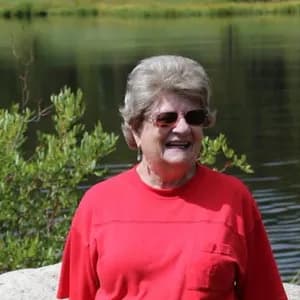
Glenwood Springs —Marlene C. Hawkins spent 61 years married to Lee R. Hawkins. That is more than a century of combined time spent camping, hunting, fishing, and boating across the Colorado landscape. It is a specific, tangible amount of time that suggests a life lived with deliberate consistency. She died on June 9, 2026, at age 86.
The obituary notices in the Post Independent are identical. They list the same dates, the same parents — Miles and Viola Fleetwood — and the same surviving family: daughters Laurie Hawkins and Sharon Archuleta, and son-in-law Donnie Archuleta. There is no new data here, no hidden financial disclosure, and no surprise announcement. Just a record of a life anchored in Rifle.
Hawkins worked for the City of Rifle as a police dispatcher and records clerk. "Meticulous" is the word the sources use to describe her nature. That is a bureaucratic term for someone who keeps the books straight and the radio quiet when it matters. She attended Blair Business College to get there. It wasn’t glamorous work, but it was essential infrastructure for a town of Rifle’s size. Dispatchers are the first point of contact for emergency services. They are the human interface between chaos and order. Hawkins held that position for "many years." The sources don’t give a start date, but given her birth year of 1939 and retirement timeline, we are looking at decades of service.
She didn’t just sit behind a desk. She volunteered as a local EMT. She volunteered at the Basalt library. She worked part-time at a veterinary clinic after retirement. This is a resume of community utility. It is a list of roles where she was present, available, and useful. The Maxfield Heights senior housing community in Rifle provided her with "comfort, solace, and deep friendships" in her later years. The family extended a "heartfelt gratitude" to those residents. That is the social contract in action. You live in the community; the community holds you up when you can no longer hold yourself up.
Let’s look at the geography. Hawkins was born in Cripple Creek. She lived in Rifle. She volunteered in Basalt. That is a spread across the Grand Junction to Rifle corridor, a few hours of driving but a significant cultural and economic divide. Cripple Creek is mining history and tourism. Rifle is industrial and residential. Basalt is wealth and recreation. Hawkins moved through all three. She wasn’t isolated in one bubble. She was woven into the fabric of the entire valley.
Her husband, Lee R. Hawkins, is the other half of that equation. The sources don’t give his birth date, but they note they shared 61 years. That means they married around 1965. They were young adults during the Vietnam War. They raised two daughters. They retired. They lived in Maxfield Heights. The obituary doesn’t mention if Lee is still alive, but it lists the surviving daughters and son-in-law, implying he may have preceded her or that the focus is on the next generation.
There is no grand infrastructure project here. No new highway, no housing development, no tax levy. Just a woman who did her job, helped her neighbors, and kept her records in order. The cost of her life? It’s measured in hours volunteered, miles driven on backroads, and the quiet dignity of a career in public service.
For context, Rifle’s population is roughly 8,000 people. Hawkins was a small part of that whole, but a necessary one. Dispatchers and records clerks are the glue of municipal government. They don’t get the ribbon-cutting ceremonies. They don’t get the headlines. But when the phone rings at 2 a.m., they are the ones who answer. Hawkins answered.
The bottom line is simple. Marlene C. Hawkins died. She lived in Rifle. She is survived by her family. The Maxfield Heights residents remember her. The obituary is a notice of death, not a financial report. It tells us where she was buried in spirit, if not in ground. It tells us she was useful. That is enough.
Keep up with Glenwood Springs
The day's Western Slope news, one email each morning. Free.

Stanford and MD Anderson Studies Target Single Receptor to Reverse Aging

Tribal members bless Mount Blue Sky summit for Colorado sesquicentennial