Roaring Fork Watershed Faces Low Snowpack Runoff
The Roaring Fork Conservancy reports record-breakingly low snowpack in the watershed, posing challenges for fishing and rafting this summer.

Aspen —Matthew Anderson, a water quality technician with the Roaring Fork Conservancy in Basalt, didn't mince words when describing the snow from this past winter. "The winter was quite bad," he said. "Record-breakingly bad." As someone who closely examines the snowpack in the Roaring Fork watershed, Anderson's assessment carries significant weight.
The numbers back that up. Peak snowpack, which is one of the key metrics the nonprofit looks at, was 9.3 inches this year, occurring on March 10. To put that into perspective, the median peak snowpack is typically 17.1 inches, and it usually happens around April 7. That's about a month later than this year's peak, and roughly half the normal amount. "When you look at those numbers," Anderson explained, "our peak SWE was about a month early and about half of normal. It's a big deal."
As a result, the watershed is facing a low snowpack runoff, which will have significant implications for fishing and rafting this summer. With less snow, there's less water in rivers and streams. That's a straightforward concept, but the timing of the snowmelt is also crucial. Typically, snowpack builds up, peaks, and then melts as temperatures warm up, leading to increased water flows in rivers and streams. However, this year's unusual warmth in late March, with temperatures 15-20 degrees higher than average, has disrupted this normal pattern.
The higher temperatures "tanked" the lower elevation snowpack, which is typically found at 8-9,000 feet. Anderson noted that SNOTEL sites, including those at McClure Pass, Crystal headwaters, and Nast Lake, had already run out of measurable snowpack by the end of March. "We lost that first chunk," he said. Although April brought cooler temperatures, which slowed down the snowmelt, the damage was already done. "We already lost such a big chunk that we're not expecting flows to rebound toward what's more normal," Anderson said.
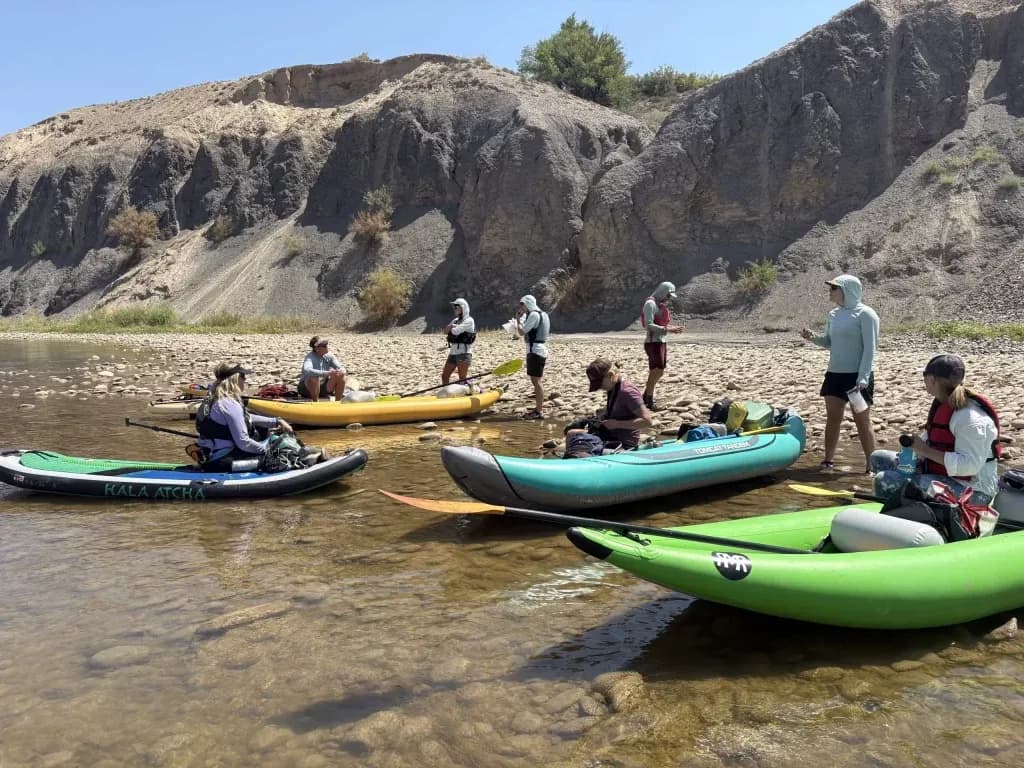
The impact of this low snowpack runoff will be felt by locals who enjoy fishing and rafting. With lower water levels, fishing may become more challenging, and rafting companies may need to adjust their operations. As Anderson puts it, "First and foremost, when we have less snow, we're going to have less water in rivers and streams. That makes sense to most people." The question is whether the community can adapt to these changes and find ways to mitigate the effects of low snowpack runoff.
This summer will undoubtedly be different, with the conservancy's findings likely to influence how people plan their outdoor activities. For now, it's clear that the situation is serious. The Roaring Fork Conservancy will continue to monitor the situation, and locals will need to be aware of the potential implications for their favorite outdoor activities. As Anderson said, "The fear for this year is that we are so far ahead of schedule." The community will need to come together to address these challenges and find ways to protect the watershed. "We're not expecting flows to rebound toward what's more normal," Anderson said, leaving no doubt about the seriousness of the situation.
Keep up with Aspen
The day's Western Slope news, one email each morning. Free.