Routt Thrive by Five Delays Childcare Funding Vote to 2027
The Routt Thrive by Five team delays a childcare funding measure to November 2027, launching a yearlong public education campaign to address the county's broken early childhood system and $8.5 million annual gap.
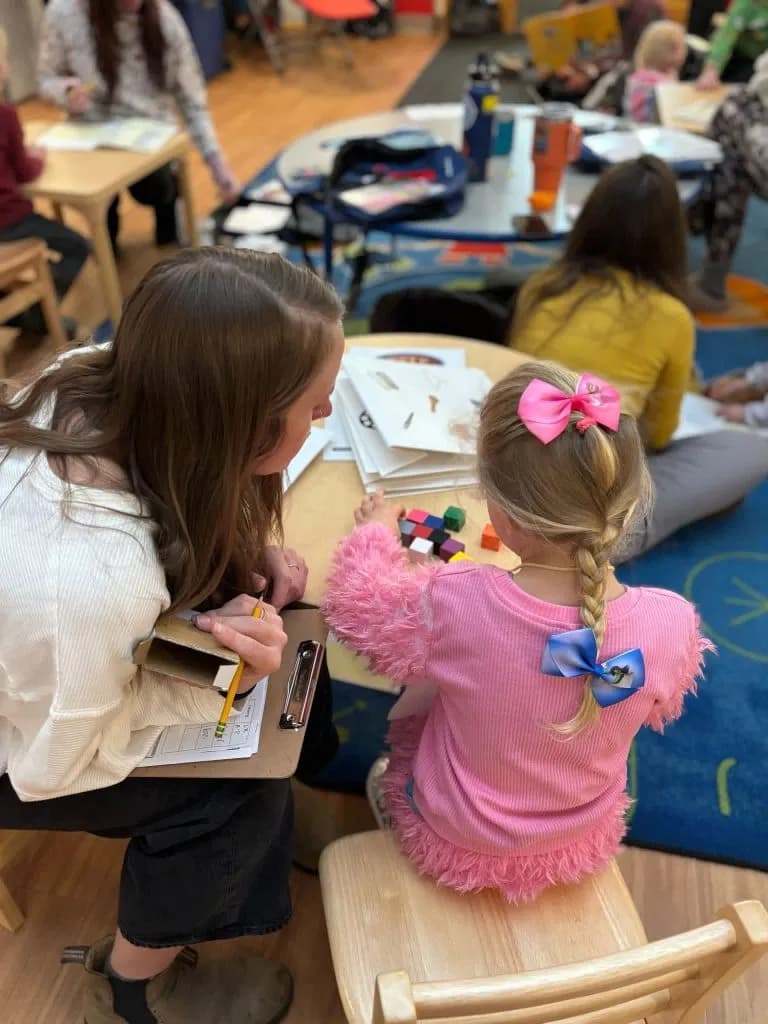
Steamboat Springs —Seven infants competing for every single available slot.
That’s the ratio in Routt County for infant and toddler care. It’s not just a statistic buried in a report; it’s the reason a 25-to-44-year-old family might pack up and leave, and it’s the reason local childcare providers are working second jobs just to stay afloat.
The Steamboat Springs City Council heard the pitch on Tuesday. The message from the Routt Thrive by Five team is simple: the current system is broken, and it’s costing the local economy dearly. But instead of rushing a funding measure to voters this fall, organizers are hitting the brakes. They’re shifting to a yearlong public education campaign, aiming for a potential November 2027 ballot.
Meg Franges of First Impressions of Routt County and consultant Kyle Blakely of Avant Strategies laid out the case. The polling shows interest, sure. But it’s not a slam dunk. They need to build a coalition and educate voters before asking them to open their wallets.
Let’s look at the numbers, because they’re stark.
- The Gap: The county needs an estimated $8.5 million annually to fully support a high-quality early childhood system.
- The Cost to Families: Households here spend 25 to 30 percent of their income on childcare. The national benchmark is 7 percent.
- The Wage Problem: Early childhood professionals make about $3 less per hour than a livable wage. Almost 50 percent hold second jobs.
Blakely noted that Routt County has lost more residents aged 25-44 than nearly any other county in the state. Affordability is a major driver, and early childcare is a huge piece of that puzzle. When you can’t afford to keep your kid in a stable, quality program, you can’t work full-time. When you can’t work full-time, you leave. It’s a vicious cycle that drains the local tax base and shrinks the workforce.
The strategy now is to fix the narrative before fixing the budget. Blakely outlined a revamped website, social media pushes, public meetings, and targeted voter outreach. They’re not just talking to the choir; they’re trying to reach the folks who are on the fence.
The goal is to highlight that this isn’t just about "nice-to-have" preschool. It’s about capacity, access, and people. The market is struggling because providers can’t charge enough to cover costs without pricing out the very families they serve. It’s a squeeze play that’s left the system under strain for years.
The council signaled broad support, but support doesn’t pay the bills. The real test comes in 2027, when voters decide if they’re willing to foot the $8.5 million bill. Until then, the campaign has to convince locals that the status quo is too expensive to maintain.
For now, the focus is on education. On paper, the need is clear. In practice, convincing 60 percent of voters that they should pay more for childcare is a different beast entirely. The clock is ticking toward the 2027 election, and the pressure is on to turn that polling interest into actual support.
Keep up with Steamboat Springs
The day's Western Slope news, one email each morning. Free.